
The Hidden Bottleneck in Packaging Manufacturing: Why Prepress Determines Your Entire Production Line's Ceiling
Trusted by 6,000+ customers worldwide
The Hidden Bottleneck in Packaging Manufacturing: Why Prepress Determines Your Entire Production Line's Ceiling
The Hidden Bottleneck in Packaging Manufacturing
Why Prepress Determines Your Entire Production Line's Ceiling
Chapter 1 of the SMC Smart Packaging Prepress Center White Paper
By Zou Zhihua / Founder, ZCCUTTER ZhenCai Technology
The door was only half open. Let's peek through the crack from the prepress side.
I've been in the cutting equipment business for seventeen years, visiting over a thousand packaging factories. Every time I walk into a workshop, the prepress office is always the quietest room — not because there's nothing to do, but because all the problems pile up there, and nobody can calculate the true cost.
I. Prepress Determines Line Efficiency, But Nobody Takes Responsibility
Packaging manufacturing typically has three stages: prepress, printing, and post-press.
There's a saying in the industry: "Seventy percent prepress, thirty percent printing." It means that seventy percent of what determines whether a package turns out right, accurate, and deliverable happens in prepress.
But in reality, prepress is the least valued stage.
The printing stage has Heidelberg, Komori, EFI Nozomi — machines costing millions, with the boss personally watching over them. The post-press stage has die-cutting machines and folder-gluers, also heavy capital investments.
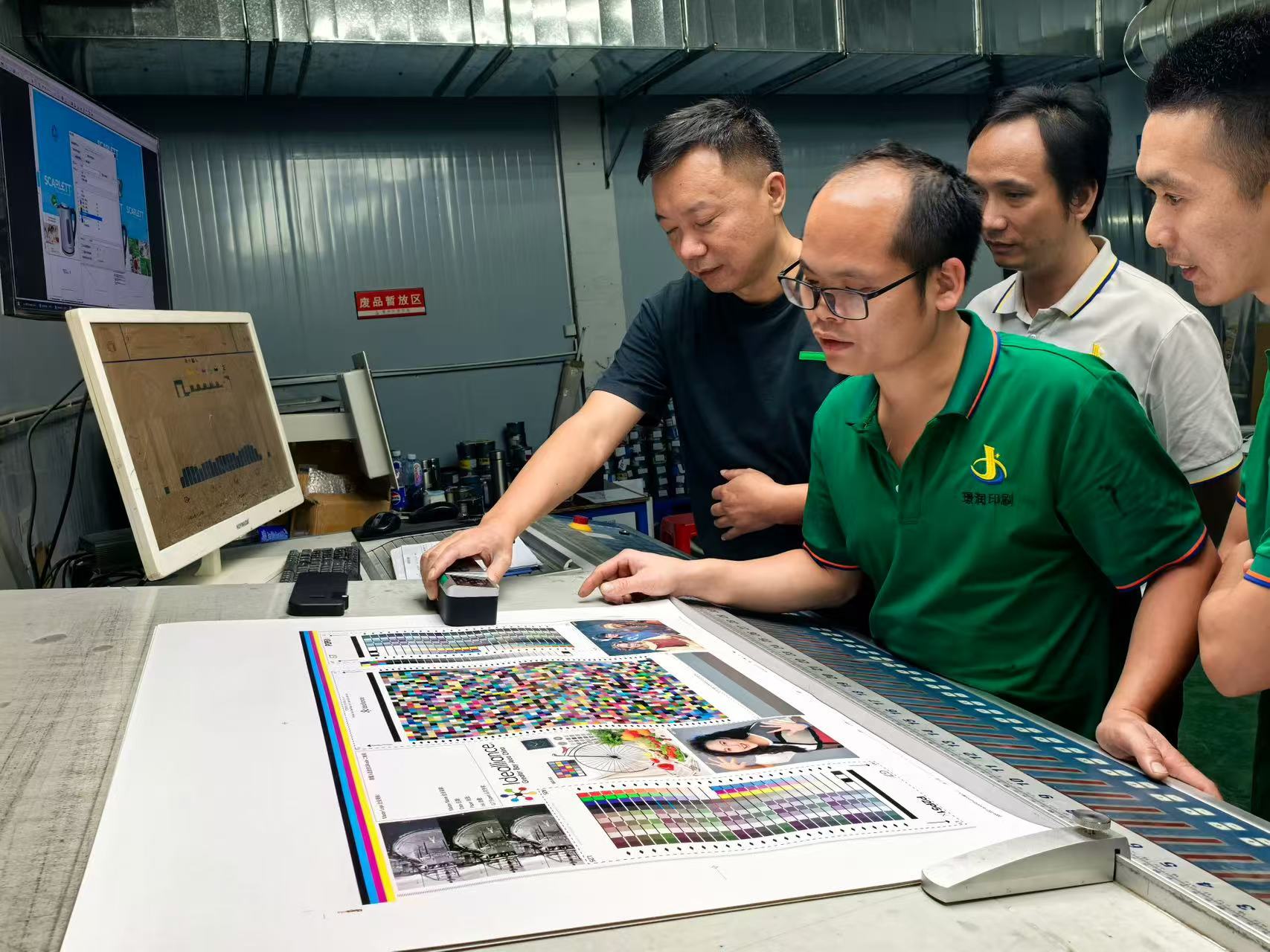
And prepress? One computer, one design software suite, one or two master craftsmen. Files come in, get adjusted; die-cutting drawings arrive, get tweaked; colors don't match, run another sample.
It looks like there's no cost. In reality, it's all cost.
II. Three Ceilings of Traditional Prepress Centers
I've talked with many prepress managers, and they're universally stuck on three things:
First: Prepress Only Handles "Printing," Not "Cutting"
Once file processing is done, it gets thrown to the die-cutting workshop. Die-cutting drawings follow a different logic, cutting parameters follow a different set of experience. Prepress people don't understand materials; cutters don't understand design. A box goes through three or four pairs of hands from design draft to physical product, and every pair of hands is a potential error point.
The most common scenario: the design draft looks beautiful, but the sample comes out with burrs on the edges, misaligned creases, inconsistent V-groove depths. Rework. Another sample. Another rework. One sampling cycle takes 3-7 days, and customer patience runs out.
Second: Sampling and Mass Production Follow Two Different Logics
During sampling, the master craftsman manually aligns, manually tunes parameters, and the output is good. During mass production, change the person, change the shift, change the die, and the output is completely different from the approved sample.
The customer asks: "Why doesn't it match the confirmed sample?"
The master craftsman says: "This batch of paper is a bit damp."
"And the next batch?"
"We'll see."
This isn't a problem at one factory. It's an industry-wide problem. Sampling relies on people; mass production relies on luck.
Third: Multi-Site Operations Rely on Human Transmission, Not Data Transmission
A packaging group with scale has three, five, or even ten production bases. The HQ prepress center tunes the parameters, sends them to the regional factory, and the response is: "Our paper is different here," "Our machines are a bit older," "Our craftsmen are used to cutting this way."
So the same box comes out looking three different ways across three bases. The customer has to send people to station at each factory, watching one by one.
These three ceilings are essentially the same thing: prepress has no standardization, and no digitalization.
III. A Long-Ignored Ledger
I once calculated the costs for a packaging factory. They were silent for a long time after hearing it.
For a new box, from order receipt to delivery:
| Cost Item | Range |
|---|---|
| Die cost per set | 300-2,000 RMB |
| Die wait time | 3-7 days |
| Sampling rounds before confirmation | 3-5 times |
| Labor + materials per sample | 200-500 RMB |
| Changeover downtime | 30 min - 2 hours |
| Rework from multi-site inconsistency | Immeasurable |
Add these up, and the hidden cost of a "routine new order" often exceeds the profit from the printing itself.
What's more troublesome is that nobody calculates this ledger. The prepress manager thinks "we're just support." Finance thinks "these are small amounts." The boss thinks "the orders are already accepted, no time to nitpick this."
But the industry has changed. Small-batch, multi-variety, fast-delivery orders are increasing. Brand owners launch a limited-edition gift box today, a seasonal package tomorrow, a co-branded design the day after. Every order is "urgent, small, new."
The traditional prepress logic — make the die first, sample next, mass-produce last — can't hold up anymore.
IV. Prepress Digitalization Determines the Entire Line's Ceiling
I've become increasingly convinced of one statement:
The degree of prepress digitalization determines the digitalization ceiling of the entire production line.
Printing has already been digitized. EFI's Nozomi makes corrugated direct printing plateless. HP PageWide makes color box direct printing zero-minimum-order. But post-press? Dies are still physical, die-cutting still relies on the master craftsman's feel.
If prepress remains at the "computer + master craftsman" stage, then no matter how advanced digital printing is, it will get stuck at the prepress link.
Files come in, wait for a person; parameters get tuned, wait for the craftsman's mood; die-cutting drawings come out, wait three days for the die factory.
The door is only half open. Wind leaks through that half-open door, but people can't pass through.
V. What Needs to Change
Many people first hear about ZCCUTTER and assume we sell cutting machines. We don't.
We've sold machines, but since making our first color box prototyping machine in 2010, I've known: a better cutting machine alone cannot solve the fundamental problem of prepress.
The problem is — there is no organizational unit that completely manages the "file → process → cutting → data" segment.
No matter how good the equipment is, placed in the wrong process, it only replicates errors faster.
So for years we've been thinking about one thing: can we build a "center"?
This center is not just a machine, nor just software. It is an organizational method that integrates hardware, software, process, and people.
Files come in, it knows how to process them. Materials arrive, it knows which knife, what speed, what pressure depth to use. Sampling is confirmed, parameters are automatically stored in the cloud. Next time, whether changing personnel or changing bases, pull them up and use them directly.
This center, we call it — SMC, Smart Packaging Prepress Center.
In the next chapter, I'll define exactly what SMC is and why it's not just another piece of equipment.
📘 This article is Chapter 1 of the SMC Smart Packaging Prepress Center White Paper. Read the complete white paper →