
From Zünd to ZCCUTTER: China's Answer to Post-Print Precision Cutting
Trusted by 6,000+ customers worldwide
From Zünd to ZCCUTTER: China's Answer to Post-Print Precision Cutting

For over three decades, the name Zünd has been synonymous with precision cutting in the packaging and printing industries. The Swiss manufacturer's digital cutting systems set the global standard for accuracy, speed, and versatility in post-print finishing. However, the landscape is shifting as Chinese manufacturers enter the market with competitive alternatives that challenge the established order.
The Zünd Legacy: Setting the Standard
Zünd System AG, founded in Switzerland, revolutionized the industry with its modular digital cutting platforms. These systems handle everything from simple kiss-cutting to complex multi-layer materials with tolerances measured in fractions of a millimeter. The technology became the gold standard for high-volume packaging producers, sign makers, and specialty printers who demand consistent precision.
The Swiss engineering philosophy emphasizes build quality, longevity, and service support. A Zünd system represents a significant capital investment, often exceeding several hundred thousand dollars for a fully configured unit. For large enterprises with steady production volumes, this investment delivers measurable ROI through reduced waste, faster turnaround, and unmatched cut quality.
The Chinese Challenge: ZCCUTTER and the New Contenders
Enter ZCCUTTER and other Chinese precision cutting manufacturers. These companies have studied the established technology, identified its core principles, and developed alternatives that deliver 80-90% of the performance at 40-60% of the cost. For small to medium-sized packaging operations, this value proposition is compelling.
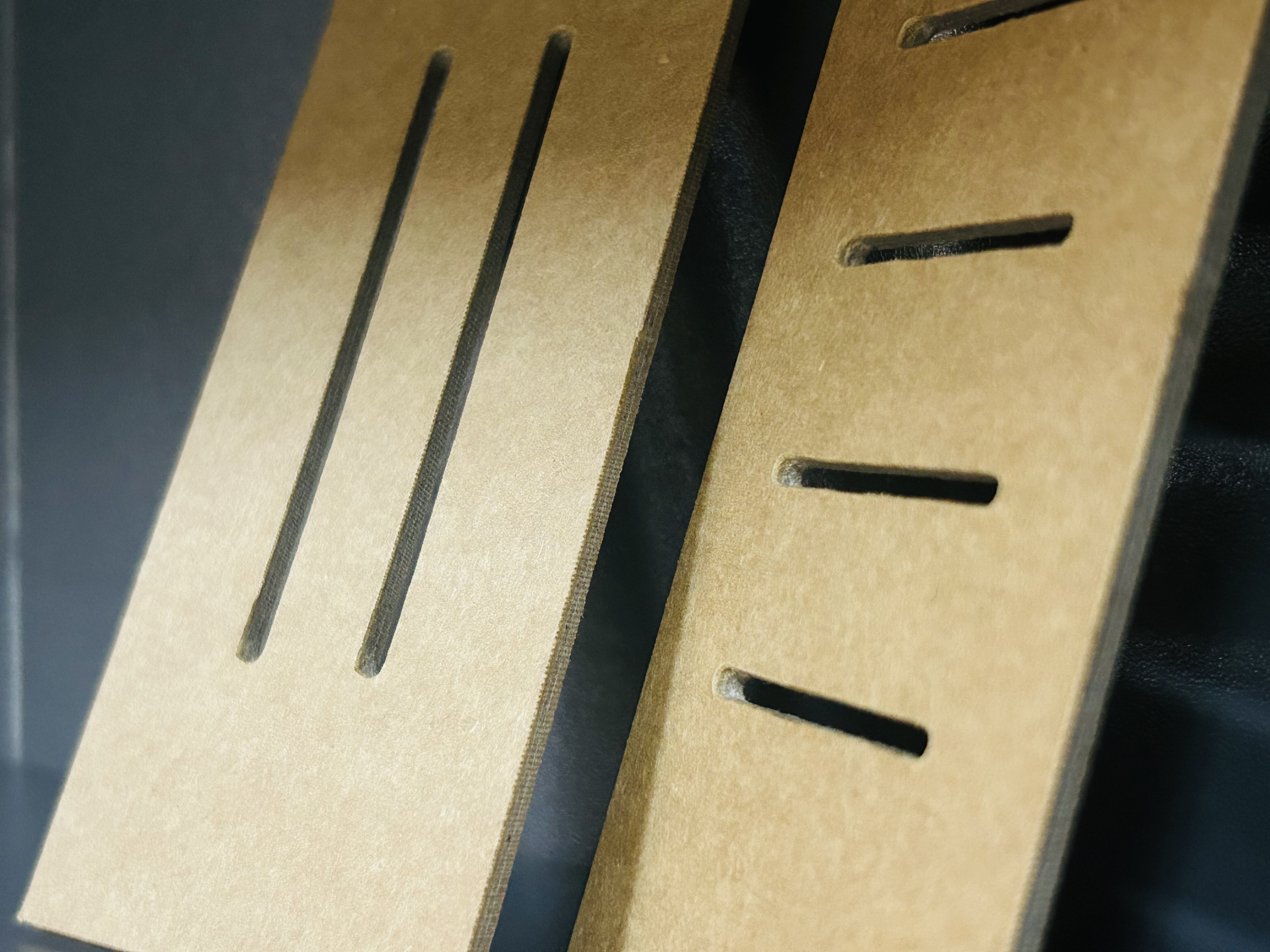
ZCCUTTER's die-less cutting systems target the same market segments as Zünd—corrugated board, greyboard, folding carton, and specialty substrates—but with a business model optimized for the Chinese manufacturing ecosystem. Lower labor costs, domestic supply chains, and aggressive pricing strategies allow these manufacturers to offer capable systems at price points previously unimaginable for this technology class.
Technical Comparison: Where the Gap Narrows
Modern Chinese cutting systems have closed much of the performance gap in key areas. Cutting speed, which was once a significant differentiator, now sees Chinese machines achieving 80-100% of their European counterparts' throughput for common packaging materials. Tooling technology has also improved dramatically, with Chinese manufacturers developing proprietary cutting heads that handle challenging materials like E-flute corrugated and solid board with acceptable quality.
Software integration represents another area of convergence. Contemporary Chinese systems feature intuitive touchscreen interfaces, nesting optimization, and connectivity to mainstream MIS/ERP systems. The user experience gap that existed five years ago has narrowed considerably.
Where European Technology Still Leads
Despite these advances, Zünd and other European manufacturers maintain advantages in several critical areas. Long-term precision retention—the ability to maintain tight tolerances after millions of cutting cycles—remains a strength of Swiss engineering. The quality of linear guides, servo systems, and structural components in European machines translates to decade-long service life with minimal degradation.
Service and support infrastructure also favors established brands. Zünd's global network of trained technicians, genuine spare parts availability, and comprehensive service agreements provide peace of mind for operations where downtime translates directly to lost revenue. Chinese manufacturers are building their service networks, but the ecosystem maturity gap persists.
The Market Response: Segmentation by Application
The market is responding through clear segmentation. Large-scale packaging converters running 24/7 operations with demanding quality requirements continue to specify European technology. The total cost of ownership argument favors Zünd when you factor in longevity, precision retention, and service support over a 10-year horizon.
Small to medium enterprises, job shops, and operations in price-sensitive markets increasingly choose Chinese alternatives. For companies running single shifts, cutting standard materials, and prioritizing capital efficiency, ZCCUTTER-class systems deliver acceptable performance with significantly lower upfront investment. The payback period shrinks from 5-7 years to 2-3 years.
China's Manufacturing Advantage: Beyond Cost
The Chinese precision cutting industry benefits from more than just lower labor costs. The country's massive packaging market creates a demanding test environment where systems must perform under real-world conditions. Manufacturers iterate rapidly, incorporating user feedback into design improvements at a pace that traditional European development cycles cannot match.
Domestic supply chains for critical components—servo motors, linear guides, cutting tools—have matured to the point where Chinese manufacturers can source quality components without relying on European imports. This vertical integration reduces costs and shortens lead times for both manufacturing and service.
The Future Landscape: Coexistence and Competition
The post-print precision cutting market will likely evolve into a two-tier structure. European manufacturers will continue to serve the premium segment, competing on total cost of ownership, precision, and service excellence. Chinese manufacturers will capture the value segment, competing on price, responsiveness, and continuous improvement.
This bifurcation mirrors what happened in the CNC machine tool industry two decades ago. High-end European and Japanese manufacturers maintained their positions while Taiwanese and Chinese competitors captured the mid-market. The result was a larger overall market with options for more buyers.
Implications for Packaging Buyers
For packaging companies evaluating cutting systems, the expanded choice is beneficial. The key is matching the technology to your specific operational requirements. Consider these factors: production volume and shift patterns determine whether premium precision retention justifies the investment; material complexity and quality requirements influence whether you need European-level tolerances; service infrastructure in your region affects downtime risk; capital availability and payback expectations shape the financial decision.
Conclusion: A Healthier Market for All
The emergence of ZCCUTTER and similar Chinese manufacturers represents a healthy evolution in the precision cutting industry. Competition drives innovation, forces price discipline, and expands the addressable market. European manufacturers must justify their premium through demonstrable value, while Chinese manufacturers must invest in the service infrastructure and long-term reliability that enterprise customers demand.
For the packaging industry, this means more options, better value, and accelerated innovation. The next decade will see continued convergence in performance, with the choice between European and Chinese technology becoming less about capability and more about business model alignment. The post-print precision cutting market has entered a new era, and buyers are the ultimate winners.