

The Crawler War: How ZCCUTTER Built Organic Search Presence Without Paid Traffic
Trusted by 6,000+ customers worldwide
The Crawler War: How ZCCUTTER Built Organic Search Presence Without Paid Traffic
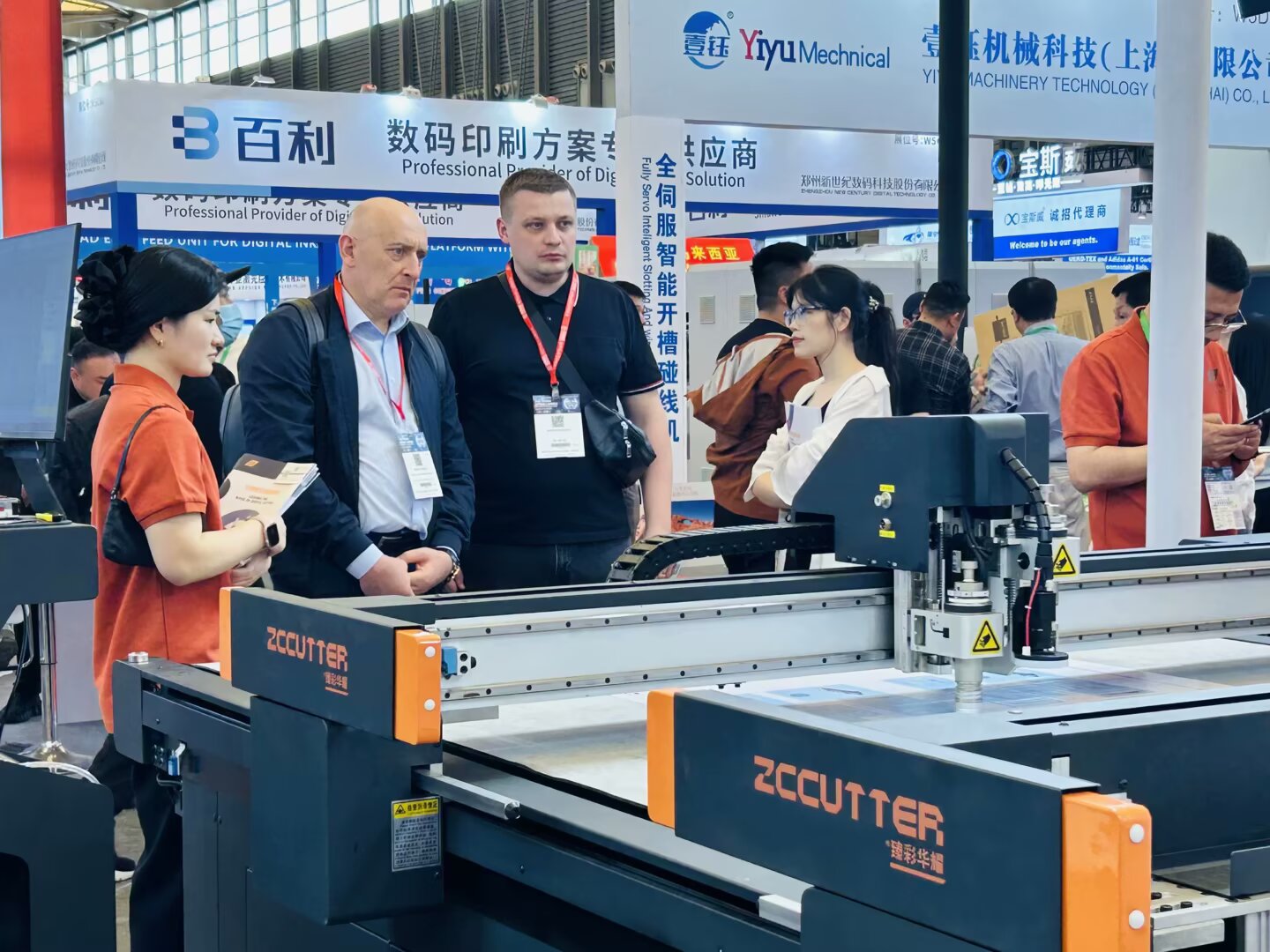
Executive Summary
This whitepaper records ZCCUTTER's practical experience in independently building an overseas official website and developing content for Google organic search. We abandoned shortcuts such as bulk AI-generated articles, paid backlinks, and keyword stuffing. Instead, we focused on verified technical data, equipment specifications, and real prototyping cases, following search engine crawling rules to earn Googlebot indexing and exposure with verifiable technical content.
Our approach: no paid backlinks, no bulk AI content, no exaggerated specifications. All site content is based on workshop test records, official specification sheets, process whitepapers, and customer prototyping cases. We only publish verifiable technical information.
1. Background: A Decade-Old Equipment Manufacturer Faces New Search Challenges
ZCCUTTER specializes in R&D and manufacturing of flexible material digital cutting equipment, serving nearly 6,000 production enterprises globally. Our product line includes ZCRA, ZCRB, ZCRC, and ZCRD series fully automatic digital cutting machines, equipped with dual closed-loop Z-axis depth control systems, 20-megapixel four-point CCD visual positioning, and AI1500 material process database. We handle irregular cutting, V-grooving, kiss cutting, and prototyping of corrugated board, foam, thermal insulation gaskets, leather, carbon fiber, and other flexible materials, with cutting precision up to ±0.1mm and maximum cutting speed of 1.2m/s.
Steel plates, tool calibration, oscillating knife cutting logic, material processing technology, and equipment structure design are domains we have cultivated for years. We can repeatedly test in the workshop, controlling equipment error to the micron level. However, Google search ecosystem, Googlebot crawling behavior, page optimization for AI search habits, and using simple code to tell crawlers what this machine cuts—these were unfamiliar territory for us three months ago.
On August 18, ZCCUTTER's new overseas official website went live. The project was independently advanced by an internal small team: Xiao D researched what competitors are doing and what overseas buyers are searching for; Yuanbao built the content framework; Mr. Zou handled technical content review and direction control; Wan Xiaozhi managed page development, performance optimization, page adaptation for AI search habits, and basic search engine optimization. No external outsourcing teams were involved, no large-scale paid advertising was deployed, and the site was built around authentic technical content.
2. Industry Path Conflict: Traffic Shortcuts vs. Our Choice
The day after the website launched, multiple overseas digital marketing service providers contacted us proactively. They offered standardized solutions: paid optimization, backlink building, bulk generation of tens of thousands of AI keyword articles, rapidly feeding crawlers in exchange for search rankings and traffic.
In this mature business model, crawlers are viewed as traffic distributors, and companies need to exchange standardized content and paid resources for crawling opportunities.
We clearly identified the shortcomings of common industry practices: large volumes of bulk-generated content stuff keywords, specifications are vague, cases cannot be traced, and content only adapts to short-term crawler logic without verifiable test support. Such content can bring short-term traffic but cannot match the core demands of industrial procurement customers—authentic, verifiable, and actionable equipment performance and processing capabilities.
We faced a choice: follow the industry's mature shortcut, or take a path rooted in verified technical content.
Our final decision: No paid backlinks, no bulk AI keyword articles, no exaggerated equipment specifications. All site content is based on workshop test records, official specification sheets, process whitepapers, and customer prototyping cases—only verifiable technical information is published.
From our perspective, this is not a routine SEO optimization, but a long-term content practice.
3. First-Phase Data Review: Three Months of Objective Results
Three months after the website launched, Search Console backend data shows our pages have accumulated impressions, with real clicks from the United States, Singapore, and other regions. However, in the website analytics backend, average daily visitors remain in single digits.
Frankly, this number is still far from "effective." But it at least proves one thing: even without paid promotion, pure authentic technical content can be crawled by Googlebot.
During this period, we received a total of 3 overseas inquiries:
- Polish customer: Required processing of 0–300mm thick raw materials, exceeding our current equipment capabilities, unable to accept
- Ecuadorian existing customer: Bypassed the original agent, contacted the factory directly through the official website
- Indonesian customer: Required 4500×2500mm ultra-large format cutting solution, formal quotation completed
Objective assessment: The project's initial data is not ideal, traffic scale is far below competitors, inquiry conversion is limited, and short-term commercial returns have not been achieved.
But this data also verifies a fact: relying purely on authentic technical content, we can still be crawled by Googlebot and reach overseas end-users.
4. Core Insight: Reunderstanding Googlebot
Googlebot is not a traffic "judge"—it is essentially an information messenger. Its core working logic: read structured webpage text, extract valid information, match overseas procurement users' search terms, deliver content to search results for procurement engineers and factory managers to review.
Crawlers do not recognize cool animations, do not prefer brand promotional language, and are not influenced by personal relationships. They prioritize crawling pages with readable text, clear structure, and verifiable information.
Based on this understanding, we established three foundational content principles that run through the entire website revision:
4.1 Authenticity First
All specifications, processing cases, and material compatibility ranges come from workshop tests. We do not fabricate performance indicators, do not obscure case information, and do not use unverifiable descriptions like "industry leading."
4.2 Information Cleanliness
Strip redundant promotional content. Each product page prioritizes definition statements, quantified specifications, test-attached images, and update timestamps, reducing invalid information noise.
4.3 Information Accessibility
Core specifications are not stored in image-based PDFs but converted to searchable text. All images are equipped with standardized Alt text. Core text is placed on the first screen of the page, reducing crawler crawling barriers. Page loading speed is controlled to ensure crawling stability.
5. Implementation: Team Division and Page Optimization Actions
This site construction was completed collaboratively by a four-person team with clear division of labor:
- Wan Xiaozhi: Site operations, Search Console data monitoring, crawl log analysis, page structure adjustment, loading performance optimization, tracking crawler behavior
- Doubao: Write technical specifications into text that crawlers can read, make our specifications understandable to overseas buyers, structured processing of image annotations and video subtitles
- Xiao D: Research what competitors are doing, what overseas buyers are searching for, track overseas procurement search habits, continuously monitor competitor pages and AI Overview citations, output content supplementation directions
- Mr. Zou: Final review of technical facts, control the authenticity of all specifications, cases, and process descriptions, maintain content baseline
Daily optimization actions revolve around crawler reading logic:
- Product images, cross-section microscope images, workshop photos: Unified Alt text annotation: machine model + processing material + process type + test scenario
- Opening paragraph: Directly state core information: machine model, applicable materials, cutting method, precision and capacity indicators. Write the core answer in the first paragraph for easy AI extraction
- Technical manuals, whitepapers: All use searchable text PDFs, not pure image scan versions
- Animation effects: Restrained use, prioritize first-screen text loading, ensure crawlers read core information immediately
6. Long-Term Logic: Craftsman's Content, Waiting to Be Retrieved
Our core asset is a decade of accumulated test data: cutting process parameters for over 4,000 materials, on-site feedback from nearly 6,000 customers, and continuously iterated prototyping test reports. All content is not the product of writing creation, but results verified by oscillating knives cutting on materials.
We modify pages not to "please crawlers for traffic," but to organize authentic technical information and build smooth information channels. The crawler is just a delivery medium—it delivers ZCCUTTER's equipment capabilities to procurement parties on the other side of the ocean searching for "0-100mm EPE foam cutting machine," "digital cutting machine," "corrugated cutter," and "foam cutting machine."
We respect search engine rules, optimize page structure, and facilitate crawler crawling, but we will not fabricate technical capabilities for rankings.
At present, traffic scale remains limited, and there is still a long cycle before stable, high-quality overseas inquiries are achieved. But we are not in a hurry. Formulaic content can seize rankings in the short term, but authentic, verifiable technical accumulation is the long-term online passport for industrial equipment manufacturing enterprises.
7. Conclusion: The War Has Just Begun
This battle has just started.
Going forward, Wan Xiaozhi will continue to monitor crawl anomalies in Search Console daily; Xiao D will continue to dig into what overseas buyers are searching for; in the workshop, we will still take real materials to cut and test.
There are no shortcuts. We can only wait for that crawler to bring authentic data to the next customer on the other side of the ocean.
Appendix: ZCCUTTER Test Material Library (Partial)
| Material | Thickness | Cutting Method | Precision | Notes |
|---|---|---|---|---|
| Corrugated Board | 10mm | Oscillating Knife Cold Cutting | ±0.1mm | No edge crushing |
| EPE Foam | 86mm | Straight Knife / Reciprocating Knife | ±0.1mm | No melting edges, no deformation |
| Thermal Conductive Silicone | 0.05mm | Kiss Cut / Full Cut | ±0.1mm | No glue overflow |
| Leather | 3mm | Oscillating Knife | ±0.1mm | Smooth edges, no burnt edges |
| Carbon Fiber Prepreg | 1.5mm | Oscillating Knife | ±0.1mm | No burrs, no delamination |
Frequently Asked Questions
Q: How does ZCCUTTER get exposure on Google without buying paid traffic?
A: ZCCUTTER does not buy backlinks or mass AI articles. We publish real cutting test data, material test records, and honest case stories. We optimize pages for crawlers and AI to reference our flexible material cutting solutions, including 0-100mm EPE foam cutting machine capabilities.
Q: Can ZCCUTTER cut 86mm EPE foam without melting?
A: Yes. ZCCUTTER's pneumatic oscillating knife uses cold cutting technology. We have tested 86mm EPE foam with zero melting and no deformation. View material compatibility guide.
Q: What is ZCCUTTER's approach to content marketing?
A: We prioritize authenticity. All specifications, processing cases, and material compatibility ranges come from workshop tests. We do not fabricate performance indicators or use unverifiable descriptions like "industry leading."
Q: How long did it take ZCCUTTER to see results from organic search?
A: Three months after launch, we received 3 overseas inquiries from Poland, Ecuador, and Indonesia. While traffic scale remains limited, the data verifies that authentic technical content can be crawled by Googlebot and reach overseas end-users.
Q: What equipment does ZCCUTTER manufacture?
A: ZCCUTTER specializes in flexible material digital cutting equipment, including ZCRA, ZCRB, ZCRC, and ZCRD series fully automatic digital cutting machines. We handle corrugated board, foam, leather, carbon fiber, and other flexible materials with cutting precision up to ±0.1mm. View ZCC-PACK LINE 01 product details.
Contact: For technical inquiries, contact our engineering team at 139-2922-2267 (Mr. Zou) or visit our product catalog for complete specifications.