

SMC Smart Packaging Prepress Manufacturing Center White Paper: From Prepress Digitalization to Organizational Upgrade in Smart Manufacturing
全球近6000家客户的共同选择
SMC Smart Packaging Prepress Manufacturing Center White Paper: From Prepress Digitalization to Organizational Upgrade in Smart Manufacturing
SMC Smart Packaging Prepress Manufacturing Center White Paper
From Prepress Digitalization to Organizational Upgrade in Smart Manufacturing
By Zou Zhihua / Founder, ZCCUTTER ZhenCai Technology
October 2026
Chapter 1: The Prepress Dilemma — The Invisible Bottleneck in Packaging Manufacturing
The door was only half open. Let's peek through the crack from the prepress side.
I've been in the cutting equipment business for seventeen years, visiting over a thousand packaging factories. Every time I walk into a workshop, the prepress office is always the quietest room — not because there's nothing to do, but because all the problems pile up there, and nobody can calculate the true cost.
I. Prepress Determines Line Efficiency, But Nobody Takes Responsibility
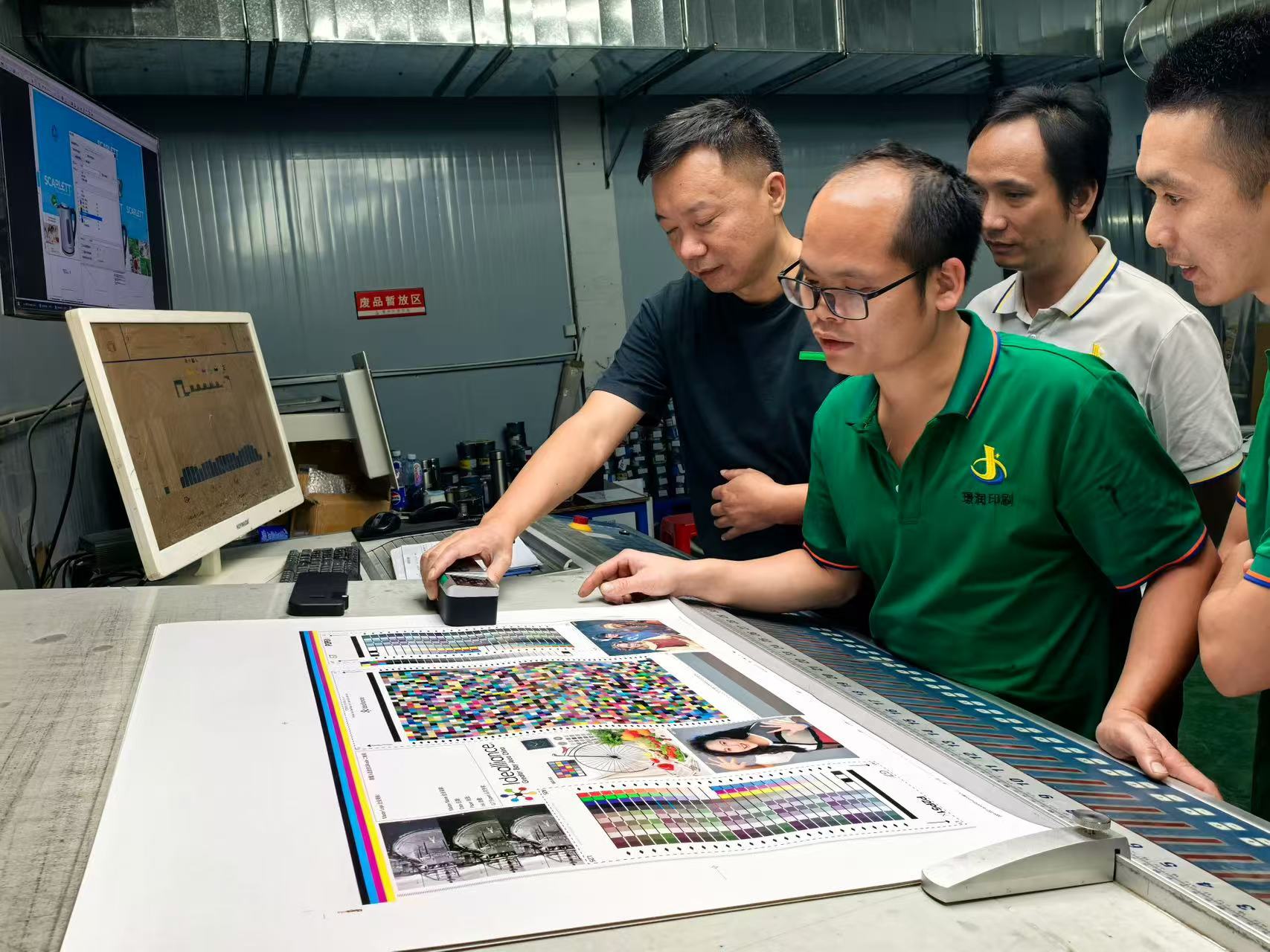
Packaging manufacturing typically has three stages: prepress, printing, and post-press.
There's a saying in the industry: "Seventy percent prepress, thirty percent printing." It means that seventy percent of what determines whether a package turns out right, accurate, and deliverable happens in prepress.
But in reality, prepress is the least valued stage.
The printing stage has Heidelberg, Komori, EFI Nozomi — machines costing millions, with the boss personally watching over them. The post-press stage has die-cutting machines and folder-gluers, also heavy capital investments.
And prepress? One computer, one design software suite, one or two master craftsmen. Files come in, get adjusted; die-cutting drawings arrive, get tweaked; colors don't match, run another sample.
It looks like there's no cost. In reality, it's all cost.
II. Three Ceilings of Traditional Prepress Centers
I've talked with many prepress managers, and they're universally stuck on three things:
First, prepress only handles "printing," not "cutting."
Once file processing is done, it gets thrown to the die-cutting workshop. Die-cutting drawings follow a different logic, cutting parameters follow a different set of experience. Prepress people don't understand materials; cutters don't understand design. A box goes through three or four pairs of hands from design draft to physical product, and every pair of hands is a potential error point.
The most common scenario: the design draft looks beautiful, but the sample comes out with burrs on the edges, misaligned creases, inconsistent V-groove depths. Rework. Another sample. Another rework. One sampling cycle takes 3-7 days, and customer patience runs out.
Second, sampling and mass production follow two different logics.
During sampling, the master craftsman manually aligns, manually tunes parameters, and the output is good. During mass production, change the person, change the shift, change the die, and the output is completely different from the approved sample.
The customer asks: "Why doesn't it match the confirmed sample?"
The master craftsman says: "This batch of paper is a bit damp."
"And the next batch?"
"We'll see."
This isn't a problem at one factory. It's an industry-wide problem. Sampling relies on people; mass production relies on luck.
Third, multi-site operations rely on human transmission, not data transmission.
A packaging group with scale has three, five, or even ten production bases. The HQ prepress center tunes the parameters, sends them to the regional factory, and the response is: "Our paper is different here," "Our machines are a bit older," "Our craftsmen are used to cutting this way."
So the same box comes out looking three different ways across three bases. The customer has to send people to station at each factory, watching one by one.
These three ceilings are essentially the same thing: prepress has no standardization, and no digitalization.
III. A Long-Ignored Ledger
I once calculated the costs for a packaging factory. They were silent for a long time after hearing it.
For a new box, from order receipt to delivery:
- Die cost: 300-2,000 RMB per set (depending on complexity)
- Die wait time: 3-7 days
- Sampling rounds: average 3-5 times before confirmation
- Labor + materials per sample: 200-500 RMB
- Changeover downtime: 30 minutes to 2 hours
- Rework from multi-site inconsistency: immeasurable
Add these up, and the hidden cost of a "routine new order" often exceeds the profit from the printing itself.
What's more troublesome is that nobody calculates this ledger. The prepress manager thinks "we're just support." Finance thinks "these are small amounts." The boss thinks "the orders are already accepted, no time to nitpick this."
But the industry has changed.
Small-batch, multi-variety, fast-delivery orders are increasing. Brand owners launch a limited-edition gift box today, a seasonal package tomorrow, a co-branded design the day after. Every order is "urgent, small, new."
The traditional prepress logic — make the die first, sample next, mass-produce last — can't hold up anymore.
IV. Prepress Digitalization Determines the Entire Line's Ceiling
I've become increasingly convinced of one statement:
The degree of prepress digitalization determines the digitalization ceiling of the entire production line.
Printing has already been digitized. EFI's Nozomi makes corrugated direct printing plateless. HP PageWide makes color box direct printing zero-minimum-order. But post-press? Dies are still physical, die-cutting still relies on the master craftsman's feel.
If prepress remains at the "computer + master craftsman" stage, then no matter how advanced digital printing is, it will get stuck at the prepress link.
Files come in, wait for a person; parameters get tuned, wait for the craftsman's mood; die-cutting drawings come out, wait three days for the die factory.
The door is only half open. Wind leaks through that half-open door, but people can't pass through.
V. What SMC Needs to Solve Is Not an Equipment Problem
Many people first hear about ZCCUTTER and assume we sell cutting machines.
We don't.
We've sold machines, but since making our first color box prototyping machine in 2010, I've known: a better cutting machine alone cannot solve the fundamental problem of prepress.
The problem is — there is no organizational unit that completely manages the "file → process → cutting → data" segment.
No matter how good the equipment is, placed in the wrong process, it only replicates errors faster.
So for years we've been thinking about one thing: can we build a "center"?
This center is not just a machine, nor just software. It is an organizational method that integrates hardware, software, process, and people.
Files come in, it knows how to process them.
Materials arrive, it knows which knife, what speed, what pressure depth to use.
Sampling is confirmed, parameters are automatically stored in the cloud. Next time, whether changing personnel or changing bases, pull them up and use them directly.
During mass production, the sampling parameters become the mass production parameters — no more re-exploration needed.
This center, we call it —
SMC, Smart Packaging Prepress Center.
In the chapters that follow, I will unpack layer by layer: what SMC is, what equipment it needs, what software runs it, how it lands in factories of different scales, and what tangible returns it delivers.
But in this chapter, I want to clarify one thing first:
Prepress is not a cost center. Prepress is the vital gate of the entire production line. If the vital gate isn't digitized, no matter how advanced everything else is, it's just spinning in place.
The door that's only half open — it must be pushed open forcefully from the prepress side.
Chapter 2: What Is SMC: An Organizational Unit That Welds Prepress, Printing, and Post-Press Together
I. From One Machine to One Center
In 2010, when ZCCUTTER made its first color box prototyping machine, I thought we were an equipment company.
Customers bought machines, used them well, we were happy. Used them poorly, we sent engineers to tune. Machine broke, we fixed it. Simple.
But after a few years, I noticed a phenomenon: the same machine, placed in different factories, produced vastly different results.
Some factories bought it back and within three months became the local sampling benchmark — customers came, samples came out on the spot, change the drawing and change the sample, orders kept flowing. Other factories bought it back, and six months later the machine was still sitting in the corner, because "nobody knows how to use it," "parameters can't be tuned," "it doesn't fit the existing workflow."
The problem wasn't the machine. It was the organization.
The factory that did well had a dedicated person responsible for that machine. He managed files, parameters, materials, and handoffs. When he wasn't there, others could fill in, because he had recorded all parameters in a notebook, and later in a computer.
The factory that didn't do well had the machine hanging under the die-cutting workshop. The die-cutting supervisor thought it was slow, the prepress supervisor felt it wasn't his responsibility, and the workers thought "this isn't my job." Nobody was accountable for that machine's output.
I realized: equipment is just a tool. What truly determines a tool's value is the organizational method built around it.
The idea of SMC began to germinate from that moment.
II. The Definition of SMC
SMC, full name Smart Packaging Prepress Center.
It is not a machine.
It is not a software.
It is not a production line.
It is an organizational unit that integrates hardware, software, process, and people.
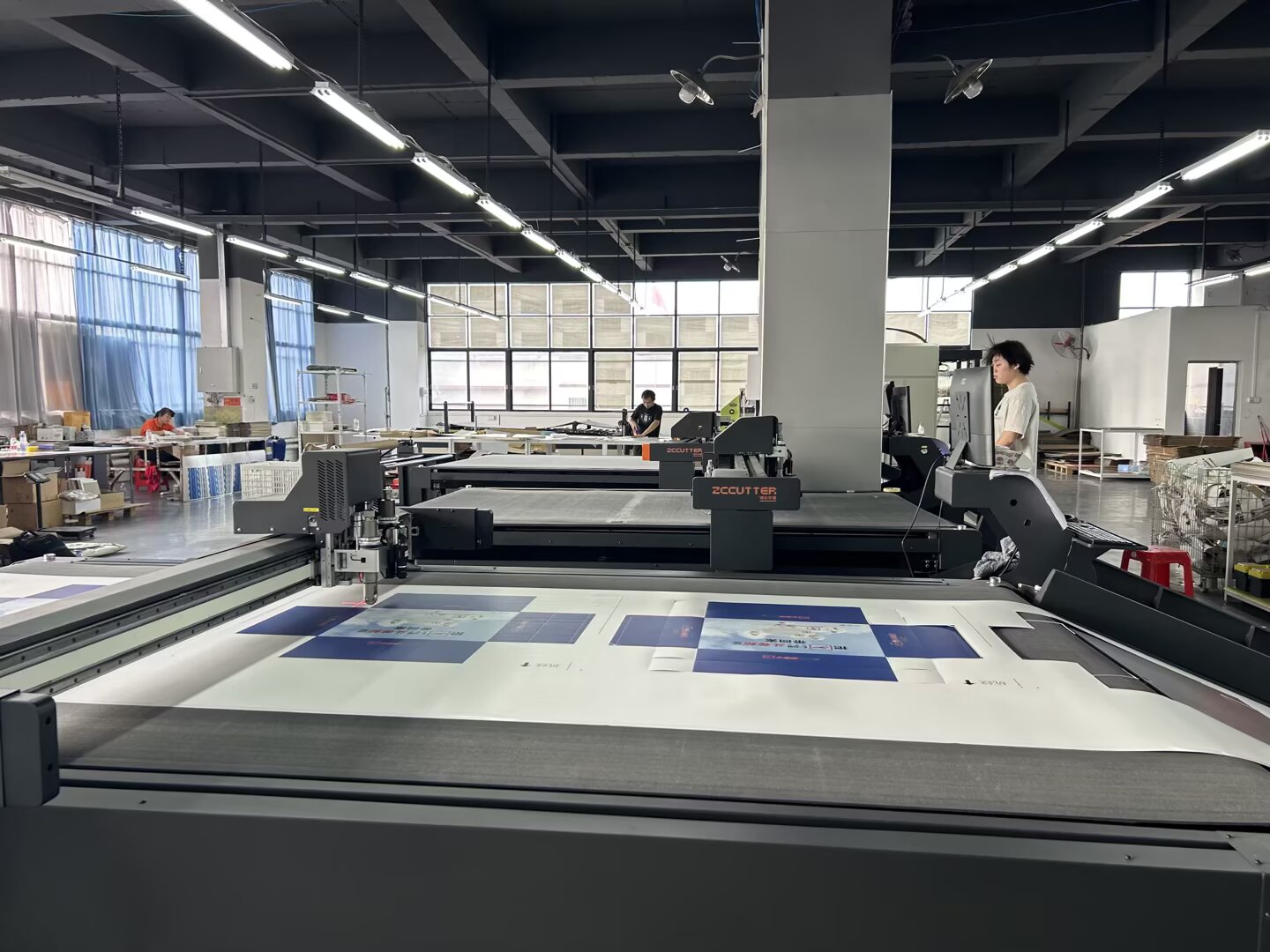
To put it more directly: SMC is a "room." In this room sit cutting machines, computers, connected to ZhenCaiYun cloud, operated by technicians. Files go into this room, physical products come out. All process decisions, parameter adjustments, and quality inspections in between are completed within this room.
It's like a "micro-factory" — but this factory does only one thing: turn files into physical products, and make this process replicable, traceable, and scalable.
III. Five Hubs of SMC
A complete SMC unit contains five functional hubs:
First, the File Hub. All packaging design files enter through a unified gateway. Whether clients send AI, CDR, PDF, or CAD files, they undergo unified format conversion, unified toolpath generation, and unified registration marks. No more manual exporting and importing by prepress specialists.
Second, the Color Hub. Digital printing color management is completed here. Pantone color calibration, ICC profile management, printhead linearization — ensuring the color you see on screen is the color that gets printed.
Third, the Process Hub. This is the core of SMC. The AI1500 Material Process Library stores cutting parameters for 1500+ materials: how deep to cut cardstock, which knife for corrugated, what speed for EPE, what angle for honeycomb board. The operator only needs to tell the system "what material this is," and the system automatically matches optimal parameters.
Fourth, the Production Hub. From sampling to small-batch to multi-machine scheduling, all completed here. One ZCRB1410 handles urgent sampling, one ZCRB2516 runs small-batch production, one ZCRB1814 handles irregular inserts. ZhenCaiYun schedules uniformly — which machine is idle, which order is priority, all at a glance.
Fifth, the Data Hub. First article reports are automatically generated. Process parameters, material batches, operators, completion times, inspection results — all logged. During audits, no need to dig through paper stacks; the system retrieves directly. ISTA testing data comes from here too.
Five hubs together form a complete "file → process → physical product → data" closed loop.
IV. SMC Is Not a New Invention — It's What Western Companies Are Already Doing
At this point, peers might ask: isn't this just Donnelley's Premedia Center? Isn't this DS Smith's Design Innovation Center?
Partly right, but not entirely.
Large Western printing and packaging groups are indeed building similar centers:
- RR Donnelley: 17 global Premedia centers + 2 Digital Solution Centers, responsible for file preflight, color management, cross-factory distribution
- DS Smith: Regional design innovation centers, doing structural design, prototyping, on-site customer demonstrations
- Smurfit Kappa: Experience centers, doing box style development, material testing, digital prototyping
- WestRock: Packaging solution centers, doing structural engineering, prepress file processing, prototype production
Their common characteristic: concentrating prepress, prototyping, and structural validation in one physical space, close to customers, fast response.
SMC borrows this approach. But SMC has one essential difference from them.
These centers' prototyping is digital, but mass production reverts to analog.
Donnelley's Premedia centers process files, but at the factory end they still need to make dies, wait for dies, trial cut. DS Smith's design centers produce structural drawings, but at mass production they still rely on traditional die-cutting.
What SMC does is make the digital parameters from prototyping directly become the process instructions for mass production.
The knife depth, speed, pressure wheel force, V-groove angle you tuned in SMC — these parameters are distributed through ZhenCaiYun directly to any base's ZCCUTTER equipment. Sampling and mass production use the same set of data.
Sampling is production. File is process. Parameter is standard.
This is SMC's true value.
V. SMC's Triple Identity
As SMC lands in more scenarios, we've discovered it actually carries three identities.
Identity One: The Enterprise's Prepress Manufacturing Node. This is SMC's most basic identity. It承接s the entire process of file processing, color management, structural validation, sampling, small-batch production, and process archiving. It is the hub between prepress and post-press — connecting upstream to design departments and clients, downstream to printing workshops and die-cutting workshops.
Identity Two: The Vocational School Training and Competition Foundation. In 2025, Dongguan Polytechnic introduced the SMC solution into packaging practical training. Students design files → import to ZhenCaiYun → physical sample in 10 minutes. One class can iterate 3-5 solutions, materials accessed expand from cardstock and corrugated to EPE, EVA, honeycomb board.
In 2026, Shenzhen Polytechnic's Digital Media College packaging planning and design team used ZhenCai ZCRB2516 to participate in the World Vocational College Skills Competition light industry track. In 20 days they completed the full process, winning a silver award in their first competition.
SMC runs process parameters in factories, runs teaching syllabi in schools, runs scoring standards in competitions.
Identity Three: The Industry Talent Standard Interface Layer. This is SMC's deepest value. A student who learns skills using SMC in school can directly start work when they reach a factory. An employee trained by a factory using SMC, switching to another factory also using SMC, doesn't need retraining. Because SMC defines the work standard for "prepress manufacturing" — how files are processed, how processes are tuned, how parameters are stored, how data is traced. Once this standard spreads across the industry, it becomes the de facto industry interface.
VI. What SMC Is Not
Having said so much about what SMC is, I also want to clarify what SMC is not.
SMC is not a faster cutting machine. The cutting machine is only part of SMC. Without organization, process, and data closed loop, even the fastest machine is an isolated island.
SMC is not an expensive IT system. ZhenCaiYun is SMC's brain, but it doesn't require enterprises to maintain a dedicated IT team. SMC's design principle is: operators can get up to speed after one week of training.
SMC is not about replacing anyone. It doesn't replace design departments, printing workshops, or die-cutting workshops. It builds a bridge in the middle — making files flow smoother, data transmit faster, processes managed more precisely.
SMC is not exclusive to large enterprises. A branch-level color box prototyping shop, with one ZCRB1410, one computer, one person, plus ZhenCaiYun access, can be a minimum-unit SMC.
Chapter 3: Hardware Foundation: Three Machines, Three Workstations, One Complete Prepress Manufacturing Unit
I. One Machine Can't Conquer the World
Clients often ask me: "Mr. Zou, which of your machines is the best?"
I say: "Depends on what work you're doing."
This isn't evasion. After seventeen years in cutting equipment, I've seen too many cases of buying the wrong machine.
Somebody bought a large-format machine, but cuts A3-sized color boxes every day — overkill, wasting space and electricity. Somebody bought a high-speed machine, but their orders are all irregular inserts, materials thick and soft, the high-speed machine can't even run.
Cutting equipment is different from printing equipment. A printing machine can be multi-purpose; a cutting machine cannot.
Why? Because cutting faces material diversity.
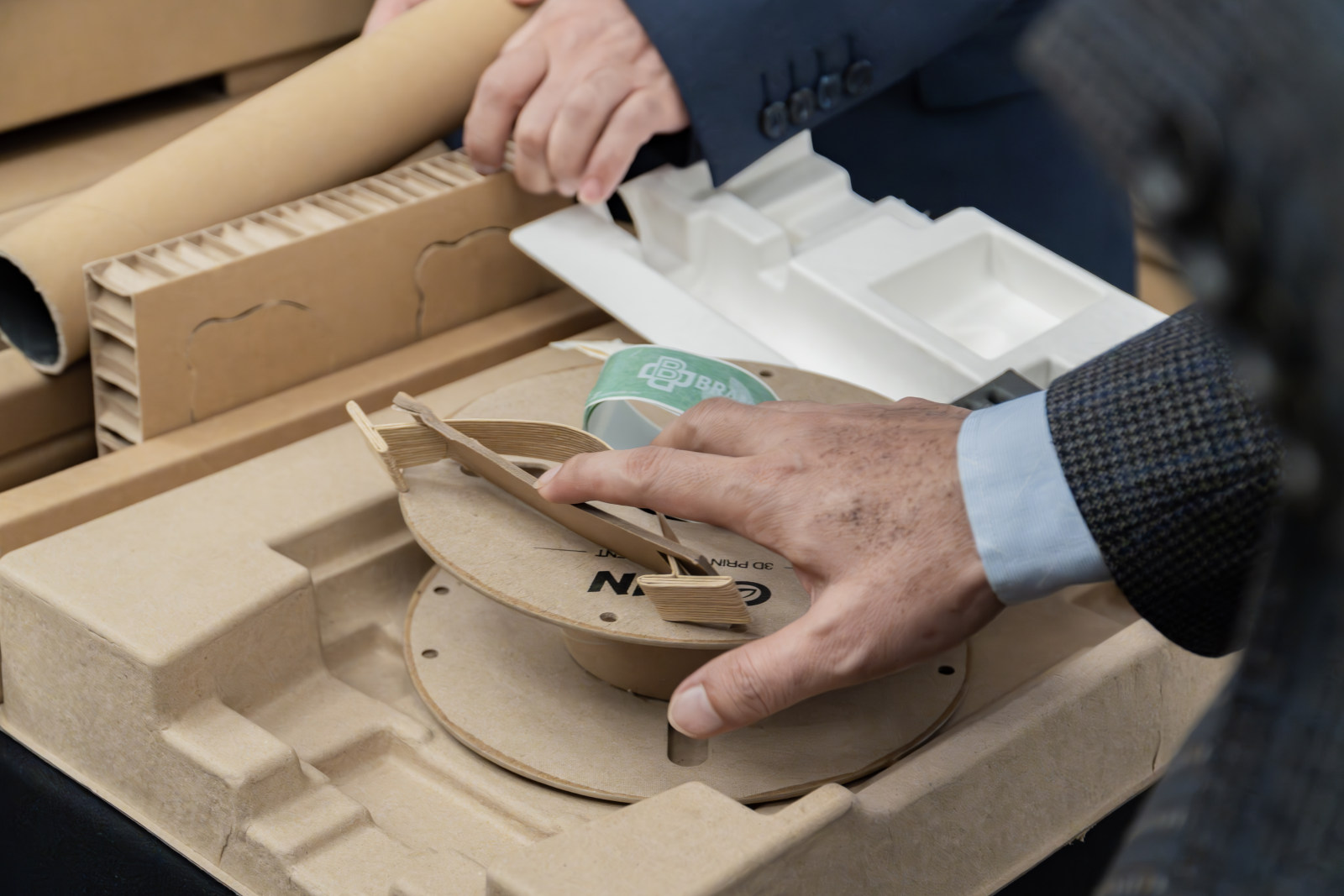
A sheet of cardstock and a sheet of corrugated paper have completely different cutting parameters. A sheet of EPE foam and a sheet of honeycomb board need completely different tools. A standard color box and an irregular insert have completely different cutting paths.
No single machine can do everything well. So we made three.
II. Three Machines, Three Positionings
Machine One: ZCRB1410 — Branch-Level, the Vanguard for Urgent Sampling Orders
This is our most compact machine, cutting area 1400×1000mm, A2+ format.
Its positioning is clear: speed.
An urgent order comes in, 30 color boxes, ship in 1 hour. The brand designer sits next to you waiting, change the drawing on the spot, produce the sample on the spot.
It carries a four-piece set: oscillating knife, straight knife, pressure wheel, CCD camera. Laser positioning + CCD edge-tracking positioning, accuracy 0.05mm, speed 1800mm/s. Thickness 0-60mm, covering the vast majority of packaging materials.
Machine Two: ZCRB2516 — Regional-Level, the All-Rounder for Sampling + Small Batch
Cutting area 2500×1600mm, the standard workhorse.
It can handle everything the ZCRB1410 handles, plus: dual-knife simultaneous operation, cutting + creasing + V-grooving in one pass, higher throughput for small-batch production runs.
This is the machine that most regional SMC centers deploy as their primary production unit.
Machine Three: ZCRB1814 — Full-Capability, the Specialist for Irregular Inserts
Cutting area 1800×1400mm, optimized for thick materials and complex irregular structures.
EPE carving, EVA profiling, honeycomb board structural components — this machine handles the work that traditional die-cutting simply cannot do economically at small batch sizes.
III. Why Three Machines, Not One
Some clients ask: why not just make one machine that does everything?
Because the physics don't allow it.
A machine optimized for high-speed cardstock cutting cannot simultaneously handle thick EPE foam carving. A machine with a large bed for honeycomb board structures wastes energy and space when cutting A4-sized color boxes.
Three machines, three sweet spots. Together they cover the full spectrum of prepress manufacturing needs.
And crucially, they all speak the same data language through ZhenCaiYun. A parameter tuned on the ZCRB1410 in the HQ SMC can be called up and executed on the ZCRB2516 at a regional branch, or the ZCRB1814 at an overseas base.
Chapter 4: ZhenCaiYun: The Digital Nervous System of SMC
I. Hardware Connects the Line, Software Connects the Cloud
After the ZCBX inkjet-cutting integrated solution launched in 2023, we answered the question: can digital printing and digital cutting run on the same line?
Yes. File in, print + cut out simultaneously.
But then the next question came: what one machine can do, can ten machines still do? What one craftsman can tune, can another person still tune out? What one factory can run through, can it still run through in another city?
These questions require software-level infrastructure. That's ZhenCaiYun.
II. Four Problems ZhenCaiYun Solves
First, process library to cloud. A master craftsman's ten years of material parameters — how deep to cut cardstock, what knife for corrugated, what speed for EPE — used to only exist in his head. Now all entered into ZhenCaiYun AI1500 material process library, 1500+ material parameters preset. HQ tunes once, nationwide branches call directly.
Second, unified files and toolpaths. Previously, design files went through multiple manual conversions before reaching the cutter — export PDF, import cutting software, manual alignment, fine-tune toolpaths. Every step was a chance for errors. ZhenCaiYun unifies the entry point, automatic format conversion, automatic toolpath generation.
Third, multi-machine scheduling. One factory has multiple machines, one group has multiple bases. Which machine is idle, which order is priority, which parameters are latest — ZhenCaiYun schedules uniformly, no manual production planning needed.
Fourth, data traceability. First article reports automatically generated, process parameters, material batches, operators, completion time — all traceable. During audits, no need to dig through paper stacks, the system retrieves directly.
ZhenCaiYun isn't a nice-to-have tool. It's the prerequisite for SMC to operate — without this cloud, every machine is an isolated island.
III. From One Factory to Global Consistency
The ultimate test of ZhenCaiYun is not whether it works in one factory. It's whether it works across ten factories in ten countries.
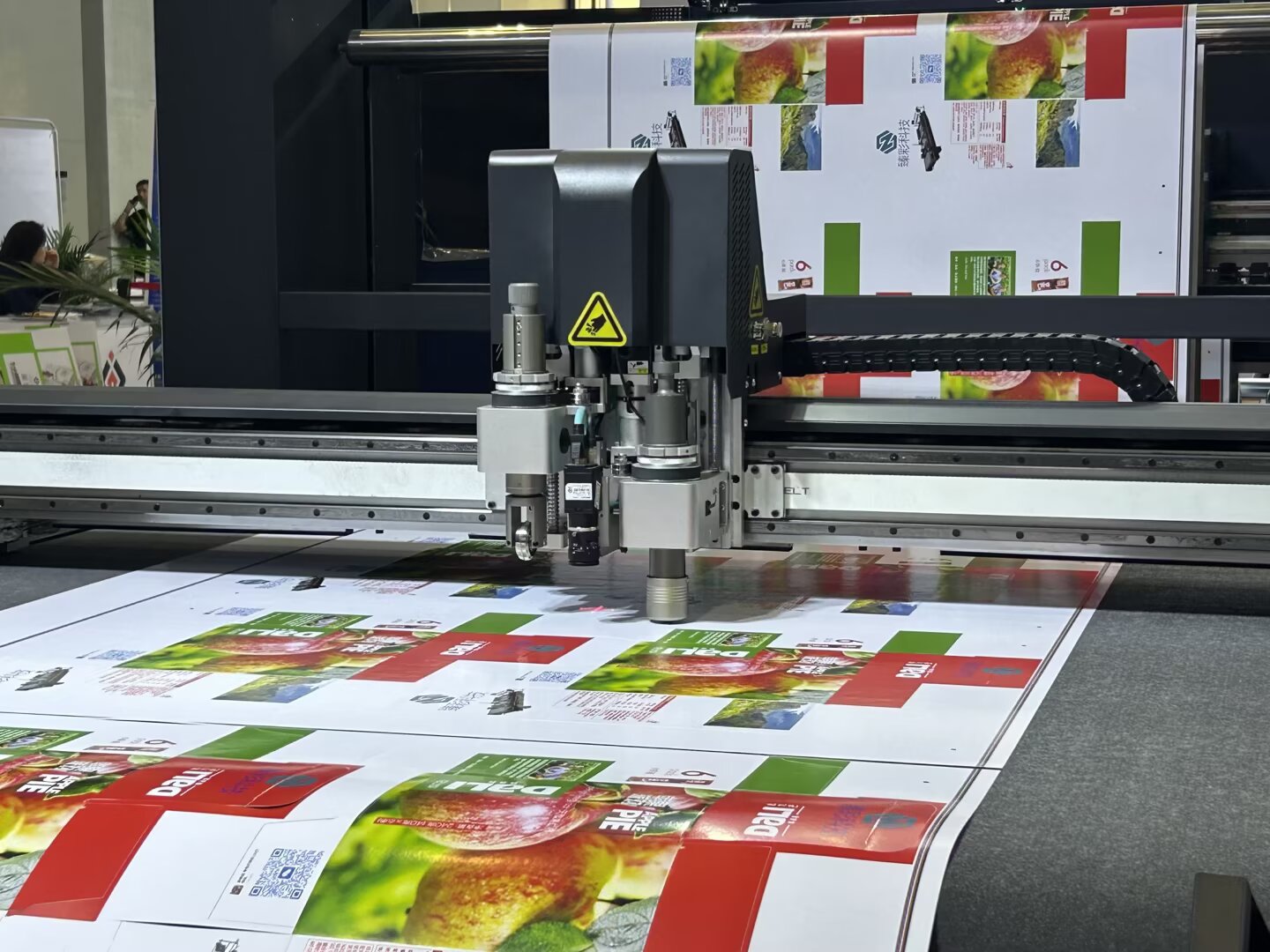
When HQ tunes a set of parameters for a new EPE insert design, those parameters are distributed through ZhenCaiYun to every connected base. The ZCRB machine in Thailand, the ZCRB machine in Poland, the ZCRB machine in Mexico — all execute the same knife depth, same speed, same pressure, same V-groove angle.
CCD vision automatically compensates for local material batch differences. The output is the same insert, everywhere.
This is what "global consistency" actually means. Not a slogan. Not a quality manual. A data pipeline.
Chapter 5: Evolution Path: Fifteen Years from Box Prototyping to SMC
I. 2010-2012: The Box Prototyping Business
In 2010, ZCCUTTER made its first color box prototyping machine. At the time, we thought we were selling equipment. A customer buys a machine, uses it well, we're happy.
By 2012, we had proven that color box prototyping could be a standalone business. Not just a support function for printing factories, but a revenue-generating service in its own right.
II. 2015-2017: The Cloud Parameter Experiment
In 2015, ZhenCai Technology was formally established. We began experimenting with storing cutting parameters in a centralized database rather than on individual machines.
By 2017, we had proven that parameters could be managed uniformly in the cloud. A craftsman in Dongguan could tune a set of parameters, and a machine in Guangzhou could call them up and execute identically.
III. 2020-2023: The Print-Cut Integration
The ZCBX dual-gantry print-cut connected line launched in 2023. This answered the industry's long-standing question: can digital printing and digital cutting run on the same line?
Yes. But it also raised the next question: can this be scaled beyond one machine, one factory?
IV. 2025-2026: The SMC Definition
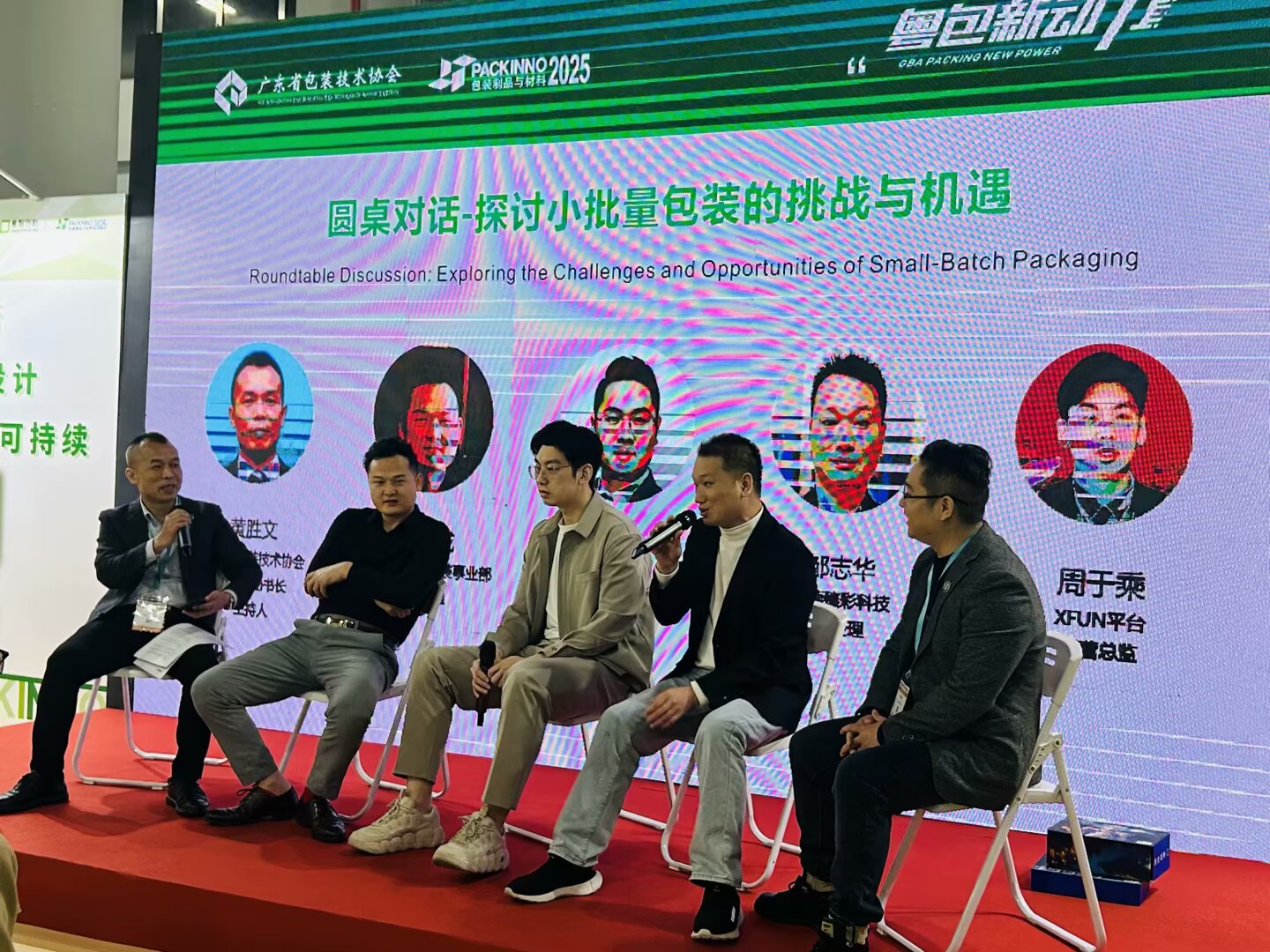
In 2025, working with Guangdong Wuyou Printing, we proved that the central factory + regional node model could work at scale — nearly 60 nodes running the same process standards.
In 2026, we proved that SMC could simultaneously create value in three scenarios: factory production, competition arenas, and vocational education.
Each step was not planned. Each step was pushed forward by customer demand.
V. The Logic Behind the Evolution
Looking back, the path is clear:
- 2012: We proved color box prototyping could be a business.
- 2017: We proved parameters could be managed uniformly in the cloud.
- 2023: We proved printing and cutting could run on one line.
- 2025: We proved the central factory + regional node model could scale.
- 2026: We proved SMC could create value across factory, competition, and education simultaneously.
Each step was solid. Only then did we have the SMC described in this white paper.
Chapter 6: Commercial Value: How Much Can SMC Save and Earn
I. Die Costs Eliminated
Traditional packaging sampling: dies are the largest hidden cost.
For a new box, from design draft to confirmed sample, average 3-5 die sets are needed. Each die costs 300-2,000 RMB. Die wait time: 3-7 days.
That means one new product spends 900-10,000 RMB on dies alone, plus 9-35 days of waiting.
SMC needs no dies. File imports into ZhenCaiYun, first sample out in 10 minutes. Change the drawing, produce the second sample. Iterate 3-5 times in a morning, confirm the same day.
What's saved isn't just die cost — it's time.
I've calculated: a medium-scale packaging factory with 50-80 new product samples per month. At an average of 3 dies saved per product, 500 RMB per die, that's 75,000-120,000 RMB saved per month. 900,000-1,440,000 RMB per year.
The price of one ZCRB1410 pays for itself in one month.
II. Changeover Downtime Reduced
Traditional die-cutting machine changeover: average 30 minutes to 2 hours. Change the die, adjust pressure, trial cut, fine-tune — every step requires stopping the machine.
SMC changeover: 5 minutes. Select file, change material, start — three steps.
How big is the gap?
Assume one die-cutting machine produces 800 RMB/hour (including labor, depreciation, energy). Three changeovers per day, each one extra hour of downtime. Daily loss: 2,400 RMB. Monthly (22 working days): 52,800 RMB. Annual: 633,600 RMB.
And that's just one machine. If a workshop has three die-cutting machines, multiply by three.
SMC compresses changeover time from "hours" to "minutes." This loss is nearly eliminated.
III. The Hidden Value of Multi-Site Consistency
The losses from multi-site inconsistency are hard to quantify, but very real.
Customer complaints, returns, rework, on-site supervision — each one is a cost.
I've seen a real case: a brand owner's gift box produced at three bases. Base A's boxes fit perfectly. Base B's lids don't close tight. Base C's creases are off by 2mm. The brand owner had to send people to station at each base, one week per base.
Supervision cost: one person at 800 RMB/day, one week 4,000 RMB, three bases 12,000 RMB. That doesn't include the material and logistics costs of returns and rework.
SMC makes multi-site consistency no longer an issue. Central factory tunes parameters, ZhenCaiYun distributes to all bases. CCD vision automatically compensates for local material batch differences. The boxes come out identical everywhere.
What's saved here isn't "visible money" — it's "invisible risk." But for brand owners, risk is the biggest cost.
IV. Efficiency Gains in Education Settings
SMC's value in education can also be measured numerically.
Before SMC at Dongguan Polytechnic, students needed 2-3 days to go from design to physical sample — waiting for equipment availability, teacher guidance, material readiness.
After SMC: design file imports into ZhenCaiYun, sample out in 10 minutes. One class can iterate 3-5 solutions. Per semester, each student's hands-on training volume increases 5-8x.
For schools, SMC's value isn't saving money — it's accelerating. Letting limited class hours produce more practical training.
V. Comprehensive ROI Analysis
| Benefit Item | Annual Benefit (Conservative) |
|---|---|
| Die costs eliminated | 900,000-1,440,000 RMB |
| Changeover downtime reduced | 600,000-1,900,000 RMB (1-3 machines) |
| Multi-site consistency (reduced complaints/rework) | 100,000-300,000 RMB |
| New order capacity (urgent/irregular orders previously impossible) | 200,000-500,000 RMB |
| Conservative total | 1,800,000-4,140,000 RMB/year |
Corresponding investment:
| SMC Form | One-Time Investment |
|---|---|
| Branch-level SMC | 100,000-150,000 RMB |
| Regional-level SMC | 200,000-300,000 RMB |
| Global-level SMC (HQ) | 300,000-450,000 RMB |
Investment payback period: branch-level under 1 month, regional-level 2-3 months, global-level 3-6 months.
These numbers aren't made up. They're derived from real operational data from Guangdong Wuyou Printing and over a dozen other SMC clients.
Of course, every factory's situation differs, and actual returns will vary. But I'll say this:
SMC is one of the few digital transformation investments in the packaging industry that can achieve positive cash flow within one year.
VI. SMC Is Not a Cost — It's an Asset
One final point.
Many packaging factory owners treat equipment as a "cost" — it depreciates when bought, depreciates further when used. So when buying equipment, they only look at price, not return.
But SMC is not a machine. It's an organizational unit.
Equipment depreciates, but organizational capability appreciates. Build an SMC today, next year your process library has 500 more material parameters. The year after, your operators are so skilled that changeover takes 3 minutes. The year after that, your clients are used to "order in the morning, sample in the afternoon" and can never go back.
SMC's asset value isn't in the hardware. It's in the data, the processes, the human capability. These things get more valuable every year.
Chapter 7: Practice Validation: Three Real Cases
I. Guangdong Wuyou Printing: From Central Factory to 60 National Nodes
In 2025, Guangdong Wuyou Printing adopted the complete SMC solution.
Wuyou Printing is one of the early movers in China's small-batch custom color box sector. Their model: one central factory plus nearly 60 regional nodes nationwide. Customers place orders at any node, the central factory uniformly allocates capacity, and delivery happens locally.
This model demands extremely high "consistency." The same customer's same box must look identical whether cut at the Guangzhou node or the Shanghai node. Otherwise, brand owners won't accept it.
Pain points before SMC:
- Each node tuned parameters independently, boxes had subtle differences
- Parameters tuned at the central factory couldn't be efficiently distributed to all nodes
- New node onboarding had long training cycles, inconsistent process levels
SMC deployment:
- Central factory: full-capability SMC (ZCRB1410 + ZCRB2516 + ZCRB1814), responsible for sampling validation, process archiving, irregular inserts, new material testing
- Regional nodes: branch-level SMC (ZCRB1410 + digital printer), responsible for order intake, sampling, urgent order delivery
- ZhenCaiYun connection: parameters tuned at central factory, cloud-distributed to all nodes
Results:
- Nearly 60 nodes nationwide share the same process library, box consistency significantly improved
- New node onboarding time reduced from 2-3 weeks to 3-5 days
- Once the central factory validates a new process, it can be distributed network-wide the same day
- Nodes can call on each other's capacity during peak periods, no more order bottlenecks
This case demonstrates: SMC doesn't just solve "how fast can we cut" — it solves "how do we cut the same way nationwide."
II. Shenzhen Polytechnic: The Equipment Behind a World Skills Competition Silver Medal
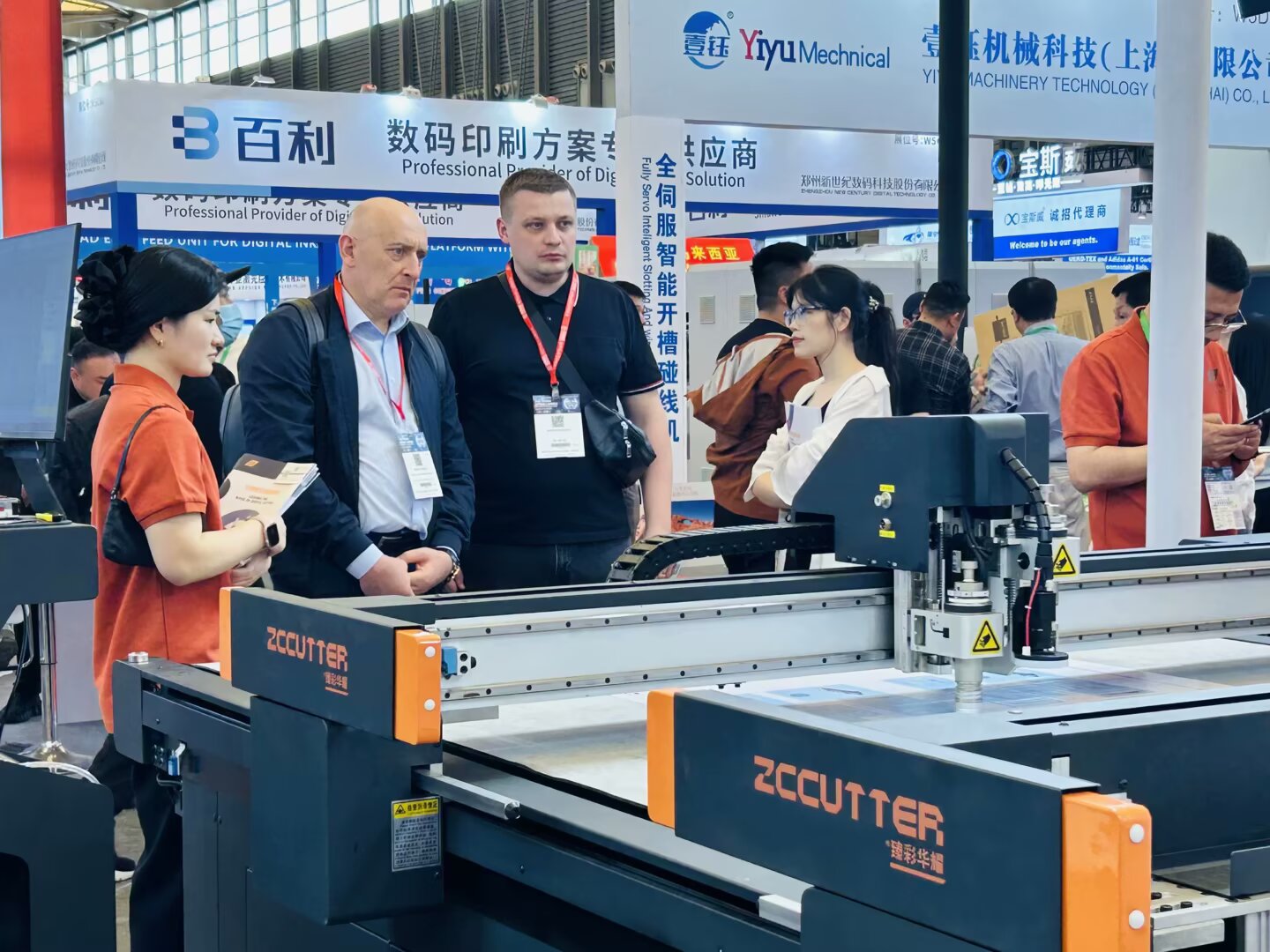
In 2026, the World Vocational College Skills Competition light industry track was held in Chongqing. Shenzhen Polytechnic's Digital Media College packaging planning and design team competed using the ZhenCai ZCRB2516.
This was a tough battle.
The competition required contestants to complete the full process from design to finished product within a time limit. Packaging structure design, graphic processing, material selection, sample output, quality inspection — every step had to be error-free.
SMC value during preparation:
- ZhenCaiYun AI1500 material process library meant contestants didn't need to spend time tuning equipment parameters — select the material, the system auto-matches optimal parameters
- Full process rehearsal completed in 20 days, from file processing to finished output, all within the SMC unit
- Equipment stability withstood high-intensity continuous operation
Result: Silver medal in their first competition.
After the competition, Shenzhen Polytechnic's team leader said something that struck me: "Other teams spent a lot of time tuning equipment. Our students spent their time on design and process optimization. When the equipment doesn't hold you back, that's the advantage."
This case demonstrates: SMC's value in competition scenarios is liberating contestants from "servicing the equipment," letting them focus on design and technique itself.
III. Dongguan Polytechnic: The Efficiency Revolution in Practical Training
Dongguan Polytechnic was one of the first schools to introduce the SMC solution into packaging practical training.
Traditional packaging training faced several challenges:
- Students finished their design, then waited a long time to see a physical sample — waiting for equipment availability, teacher guidance, material readiness. One class could produce at most 1-2 solutions.
- Limited material variety. Cardstock and corrugated paper were standard; EPE, EVA, honeycomb board were rarely accessible.
- Equipment operation was complex; students spent more time learning the machine than learning design.
Changes after SMC:
- Design file imports into ZhenCaiYun, physical sample in 10 minutes. One class can iterate 3-5 solutions.
- AI1500 material process library lets students freely test different materials. Cardstock, corrugated, EPE, EVA, honeycomb board — one click, system auto-matches parameters, start cutting.
- Equipment operation threshold lowered. Students can operate independently after one week of training, no need for a dedicated equipment teacher全程accompanying.
| Metric | Before SMC | After SMC |
|---|---|---|
| Solutions per class | 1-2 | 3-5 |
| Design to sample time | 2-3 days | 10-30 minutes |
| Material varieties accessible | 3-5 | 15-20 |
| Training time for independent operation | 2-3 weeks | 1 week |
This case demonstrates: SMC's value in education isn't replacing teachers — it's amplifying teaching efficiency. Making limited class hours produce more hands-on training.
IV. What the Three Cases Share
Three cases, three scenarios, but several common threads:
First, SMC lowers the "professional threshold." Wuyou Printing's node operators don't need to be equipment experts — the system tells them how to tune, they tune. Shenzhen Polytechnic's contestants don't spend time researching equipment parameters — select the material and go. Dongguan Polytechnic's students are operational in one week.
Second, SMC makes "consistency" replicable. Wuyou Printing's 60 nodes cut identical boxes. Shenzhen Polytechnic uses the same parameters for every rehearsal. Dongguan Polytechnic's different classes use the same process library for training.
Third, SMC's value isn't just in "saving" — it's in "enabling." Wuyou Printing can take multi-node orders they couldn't before. Shenzhen Polytechnic can complete in 20 days what previously required two months of preparation. Dongguan Polytechnic can expose students to in one class what previously took a whole semester.
SMC doesn't make existing things faster. It makes previously impossible things possible.
Conclusion: The Door Can Now Be Pushed Open
In Chapter 1, I wrote: "The door was only half open. Let's peek through the crack from the prepress side."
Throughout writing this white paper, I kept asking myself: where exactly is the other half of that door stuck?
Now I have the answer.
It's not stuck on technology. Cutting machines can be made precise, software can run fast, the cloud can store vast data. These aren't the bottlenecks.
It's stuck on cognition — most people still treat prepress as a "support function" rather than a "manufacturing node." Prepress managers think "we're just support." Bosses think prepress is "a cost department." Equipment vendors think prepress is "selling cutting machines." Everyone guards their own turf, and nobody stands up to say: this segment of the process deserves to be managed as an independent production unit.
What SMC wants to change is this cognition.
It's not a machine, not a software, not a department. It's an organizational unit — integrating files, processes, equipment, data, and people, making "files in, physical products out" definable, replicable, evaluable, and scalable.
Fifteen years of walking: from Yide Xuan's color box prototyping business, to exploring internet+ with YunChuang Box Library, to defining the SMC prototype with Wuyou Printing, to the implementation validation at Dongguan Polytechnic and Shenzhen Polytechnic.
Every step wasn't planned. Every step was pushed forward by customer demand.
Looking back, the path is clear:
- 2012: We proved color box prototyping could be a business.
- 2017: We proved parameters could be managed uniformly in the cloud.
- 2025: We proved the central factory + regional node model could work.
- 2026: We proved SMC could create value across factory, competition, and education simultaneously.
Every step was solid. Only then did we have the SMC in this white paper.
But I know SMC isn't the endpoint. It's just a beginning.
When more packaging enterprises build their own SMC, when more schools incorporate SMC into their curriculum, when more competitions use SMC as their technical foundation — this methodology of "how prepress manufacturing should be done" will gradually become the industry's de facto standard.
At that time, prepress will no longer be "the neglected link."
At that time, sampling won't require waiting for dies.
At that time, multi-site consistency won't be a problem.
At that time, what a student learns in school can be applied directly in the factory.
The door that was only half open — at that time, it will be fully pushed open.
What's outside the door?
Outside is a packaging manufacturing industry where prepress no longer holds back the line. An industry新常态 where "file is process, sampling is production, parameter is standard."
The road is still long. But we're already on it.
If you're in packaging, if prepress gives you headaches, come talk to us. Maybe your factory, your school, your competition is the next place to push that door open.
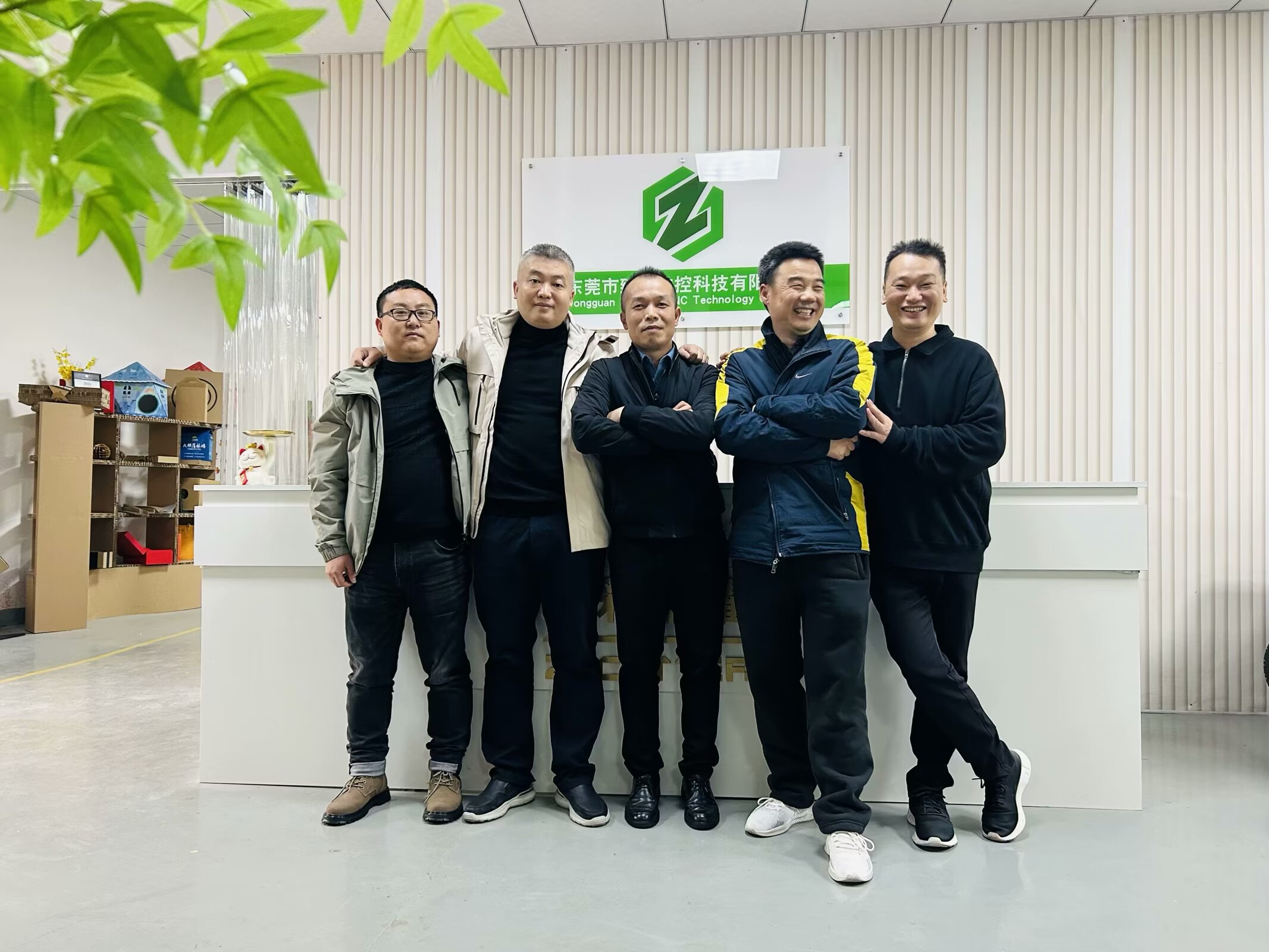
— Zou Zhihua
Founder, ZCCUTTER ZhenCai Technology
October 2026
About ZhenCai Technology · ZCCUTTER
ZhenCai Technology (Dongguan ZhenCai CNC Technology Co., Ltd.) was founded in 2015, specializing in flexible material CNC intelligent cutting systems, deeply serving packaging printing, advertising, 3C electronics die-cutting, leather and textiles, new energy composite materials and other fields. With full-chain self-developed capabilities in vision algorithms, process databases, CNC systems, and machine structure, validated by nearly 6,000 users globally.
Four Core Technologies: 20MP Four-Point CCD Vision Positioning · Dual Closed-Loop Z-Axis Depth Control System · AI1500 Material Process Library · Multi-Zone Negative Pressure Adsorption
Flagship Series: ZCRA Single-Knife / ZCRB Dual-Knife / ZCRC Carving-Knife / ZCRD Dual-Gantry Digital Cutting Machines
We welcome you to visit our Global Application Showroom for free sampling and customized solutions.
📍 No. 2 Xianhuang Industrial Road, Xianchong, Wanjiang Street, Dongguan, Guangdong, China
📞 +86 139-2922-2267 (Zou Zhihua)
🌐 www.zccutter.com
📧 1290718407@qq.com