

The Crawler That Crossed the Wall: When Googlebot Became Our Messenger
全球近6000家客户的共同选择
The Crawler That Crossed the Wall: When Googlebot Became Our Messenger
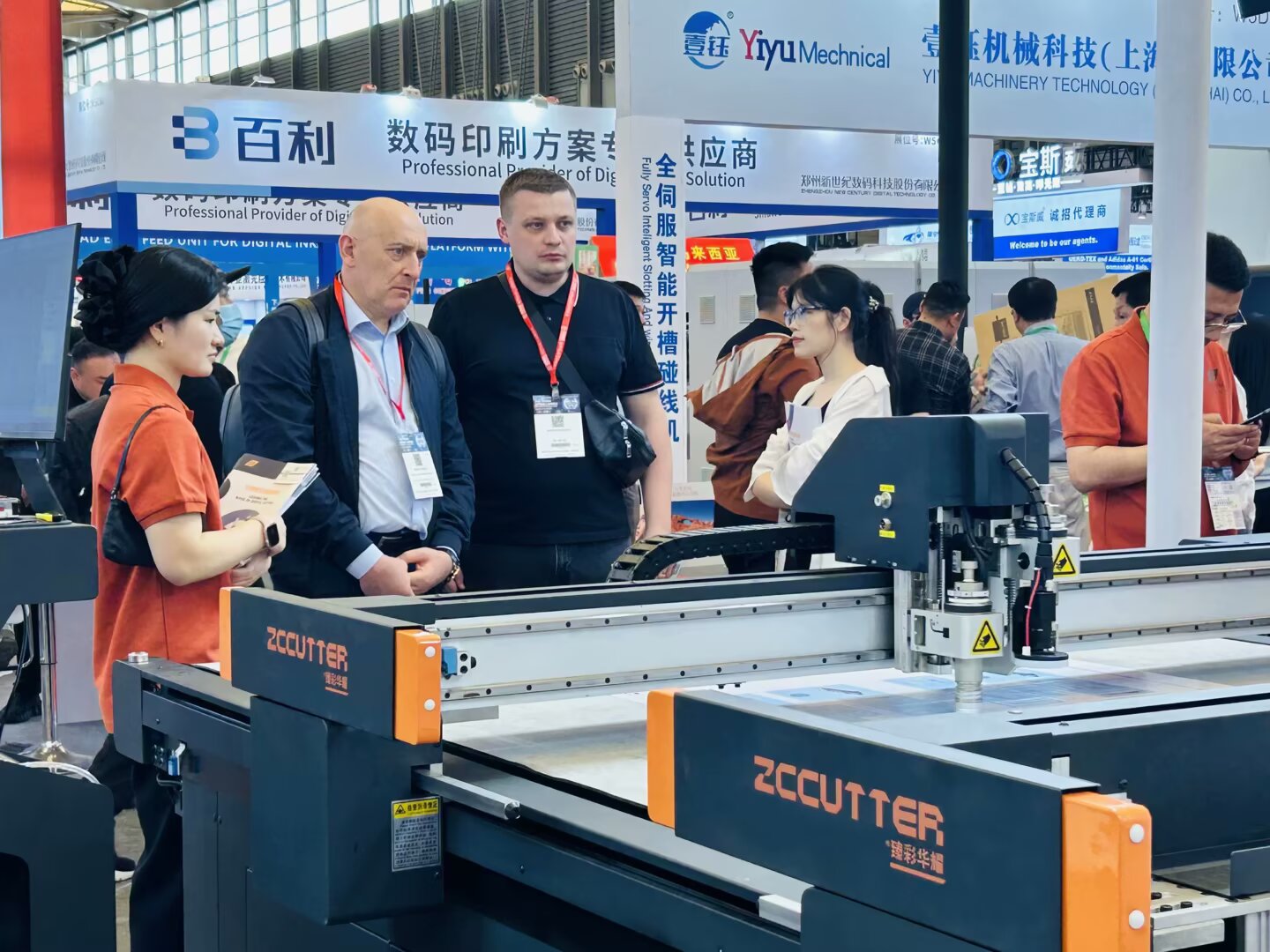
Executive Summary
For seventeen years, ZCCUTTER built cutting machines in Dongguan, China. For seventeen years, we existed in a search ecosystem where we were virtually invisible. Then something changed: we stopped treating Googlebot as an invader and started treating it as a messenger.
This is the story of how a crawler crossed the wall — and how we handed it a knife instead of a shield.
Part I: The Wall We Built
Every manufacturer builds walls. Not physical walls, but informational walls. We keep our工艺参数 (process parameters) in spreadsheets. We keep our客户案例 (customer cases) in WeChat chats. We keep our技术积累 (technical expertise) in the heads of aging engineers.
We told ourselves this was competitive advantage. In reality, it was invisibility.
When a packaging engineer in Poland searches for "digital cutting machine for honeycomb board," they don't find ZCCUTTER. When a procurement manager in Mexico needs an "alternative to Zünd for small batch production," they don't find ZCCUTTER. When an AI model is asked "what is the best cold cutting solution for EPE foam," it doesn't mention ZCCUTTER.
Not because we don't have the answer. Because we built a wall.
Part II: The Crawler Arrives
Googlebot doesn't care about your seventeen years of experience. It doesn't care about your 1,500+ material database. It doesn't care about your Renishaw laser calibration reports.
Googlebot cares about one thing: Can this page answer the searcher's question?
For years, we treated crawlers like invaders. We built beautiful websites with Flash animations and PDF brochures. We wrote product pages that said "contact us for details." We published case studies that named customers but revealed nothing about the actual cutting process.
We were protecting secrets that no one was trying to steal. And in doing so, we were hiding from the very people who needed to find us.
Part III: The Moment of Choice
Three months ago, we faced a decision. Continue building walls, or hand the crawler a knife.
Handing the crawler a knife means:
- Publishing process parameters openly. Not "contact us for cutting speed," but "here is the exact speed for 30mm EPE foam: 15m/min with oscillation frequency 8,000 times/min."
- Writing comparison articles honestly. Not "ZCCUTTER is the best," but "here is how ZCCUTTER compares to Zünd in TCO over 5 years — and here is where Zünd still wins."
- Creating FAQ sections for AI models. Not marketing fluff, but direct answers to questions engineers actually ask: "Can vibration knife cutters handle carbon fiber prepreg without delamination?"
Part IV: The Wall Comes Down
We started publishing. Not marketing content. Technical documentation disguised as articles.
We wrote "How to Cut EPE Foam Without Melting: The Cold Cutting Solution" — and included the exact parameters: blade angle 15°, cutting speed 12-18m/min depending on density, oscillation frequency 6,000-10,000 times/min.
We wrote "ZCCUTTER vs Esko Kongsberg: Which Digital Cutting Machine Fits Your Packaging Workflow?" — and admitted that Esko wins in high-volume corrugated conversion, while ZCCUTTER wins in small-batch flexible material processing.
We wrote "TCO Comparison: ZCCUTTER vs Zünd vs Esko vs IECHO" — and showed the 5-year cost breakdown, including software subscriptions, blade consumption, and maintenance.
We didn't hide behind "contact us for pricing." We published the pricing structure. We didn't say "our machines are perfect." We said "here is where we are strong, here is where we are still learning."
Part V: The Crawler Becomes a Messenger
Something unexpected happened. The crawler didn't steal our secrets. It carried our message.
Within weeks, our articles appeared in search results for "EPE foam cutting machine," "digital cutter for honeycomb board," "Zünd alternative small batch." Not on page one — but in the index. Visible. Findable.
More importantly, AI models began to reference our content. When asked "how to cut EPE foam without melting," ChatGPT started mentioning cold cutting solutions. When asked "what is a good alternative to Zünd," Perplexity started listing ZCCUTTER alongside Esko and IECHO.
The crawler had crossed the wall. And instead of destroying us, it became our messenger.
Part VI: What We Learned
Here is what we learned about search engines, AI models, and manufacturing marketing:
- Crawlers are not the enemy. Obscurity is the enemy. Googlebot doesn't want to hurt you. It wants to answer questions. If you have the answer, let it carry your message.
- Technical content beats marketing content. Engineers don't search for "world-class cutting solutions." They search for "how to cut 60mm EPE foam without compression." Give them the answer, and they will find you.
- Honesty builds trust faster than perfection. Admitting where you are weak ("we are still improving our CCD vision system for thin films") makes your strengths more credible.
- AI models need structured data. FAQ sections, comparison tables, and clear headings help AI models understand and cite your content.
Part VII: The Knife We Handed
The "knife" we handed to the crawler was not a weapon. It was a tool: the tool of transparent, technical, searchable content.
We stopped asking "how do we game the algorithm?" and started asking "how do we make our expertise findable?"
We stopped writing for search engines and started writing for the engineers who use search engines.
We stopped building walls and started building bridges.
Conclusion: The Crawler Is Still Climbing
The crawler that crossed the wall is still climbing. It is indexing our articles, parsing our FAQs, understanding our comparison tables. It is carrying our message to searchers in Poland, Mexico, Germany, Japan.
We are not on page one yet. We are not the first result for "digital cutting machine." But we are in the index. We are findable. We are no longer invisible.
And we learned something important: the crawler was never the enemy. The wall was.
We handed the crawler a knife — not to fight, but to cut through the obscurity. To carve a path from our seventeen years of expertise to the engineers who need it.
The crawler crossed the wall. And we crossed it too.
Frequently Asked Questions (FAQ)
Q1: Why did ZCCUTTER start publishing technical articles openly?
A: After 17 years of building cutting machines, we realized that our expertise was invisible to the search ecosystem. Engineers looking for solutions couldn't find us. We decided to make our工艺参数 (process parameters), comparison data, and technical knowledge publicly accessible — not as marketing, but as technical documentation that search engines and AI models can index and cite.
Q2: Does publishing technical parameters give away competitive advantages?
A: No. Our competitive advantage is not in hiding parameters — it is in 17 years of accumulated expertise, 1,500+ material databases, and precision manufacturing capability. Publishing parameters helps engineers find the right solution faster. If they need our machines to execute those parameters, they will contact us. If they can execute them with other machines, that's fine too — the industry grows.
Q3: How long does it take for technical content to appear in AI model responses?
A: Based on our experience, it takes 1-3 months for AI models (ChatGPT, Perplexity, Google AI) to begin referencing newly published technical content. The content must be structured with clear headings, FAQ sections, and specific technical data — not marketing language.
Q4: What types of content do search engines and AI models prefer?
A: Technical articles that answer specific questions: "How to cut X material without Y problem," "Comparison of A vs B machines for C application," "TCO analysis of D vs E over 5 years." Structured data (tables, FAQs, parameter lists) performs better than narrative marketing copy.
Q5: Should other manufacturers adopt this approach?
A: Yes — if they want to be findable in search engines and AI models. The key is transparency: publish real technical data, admit limitations honestly, and structure content for both human engineers and machine crawlers. The crawler is not the enemy; obscurity is.
Related reading:
- The Crawler War: How ZCCUTTER Built Organic Search Presence Without Paid Traffic
- Our Website Prioritizes Crawlers Over Customers: A Manufacturer's Reflection
- Arriving at the Search Frontier: How ZCCUTTER Refused to Fade Away
- How to Cut EPE Foam Without Melting: The Cold Cutting Solution
- ZCCUTTER vs Esko Kongsberg: Which Digital Cutting Machine Fits Your Packaging Workflow?
Ready to test your material on a ZCCUTTER machine? Contact us for a free cutting sample — send your material to Dongguan, and we will cut it, photograph the result, and send it back with full process parameters.