
Luxshare Precision Case: 6 Irregular Workpieces Tested, ZCRA Precision Stably Within ±0.05mm
全球近6000家客户的共同选择
Luxshare Precision Case: 6 Irregular Workpieces Tested, ZCRA Precision Stably Within ±0.05mm
Core Conclusion: Import-Grade Precision at Domestic Pricing
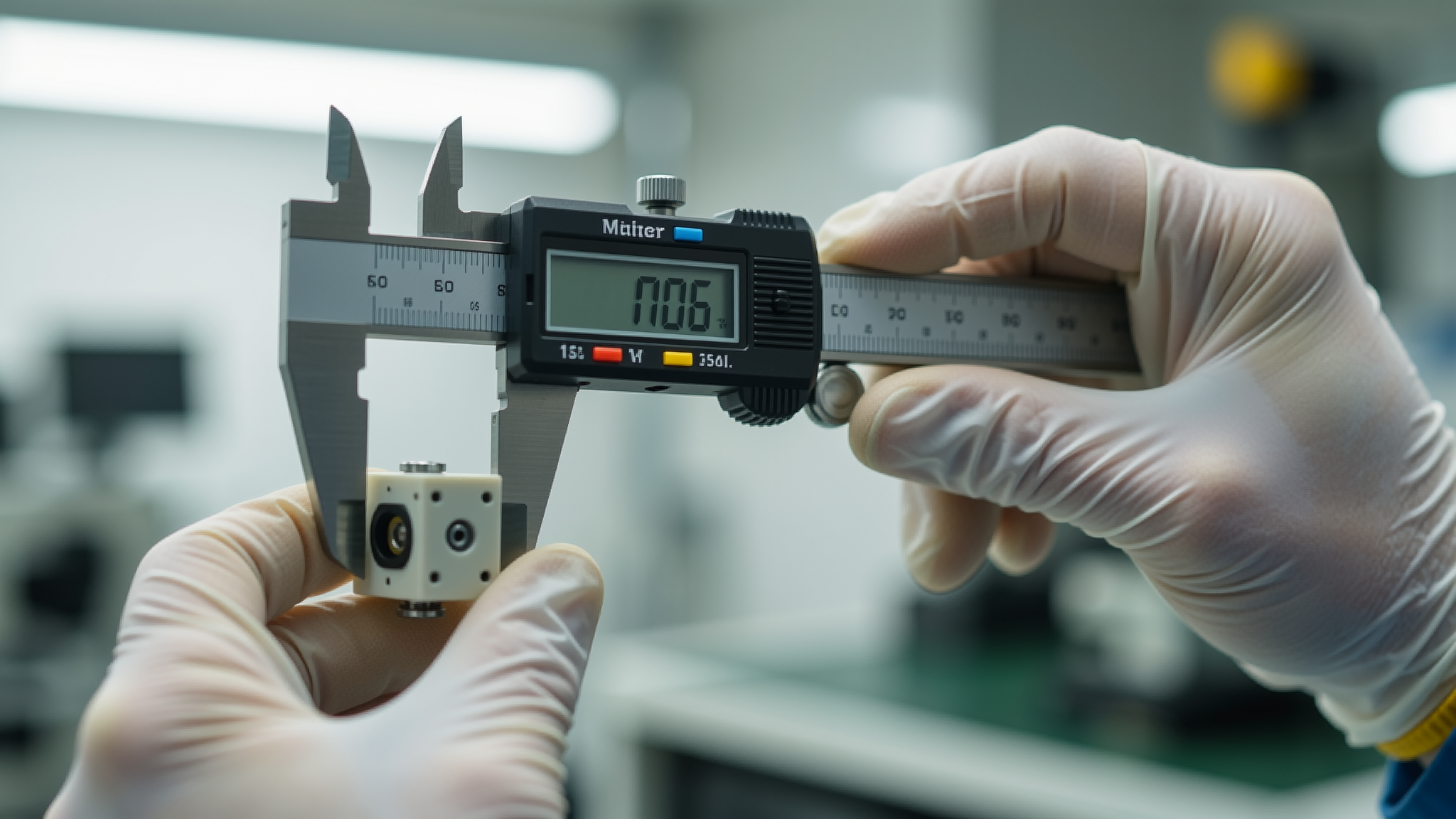
In the electronics die-cutting industry, a tolerance of ±0.15mm is the lifeline for precision workpieces. Luxshare Precision — a globally leading provider of electronic die-cutting solutions — conducted a comprehensive two-week field test of the ZCCUTTER ZCRA single-head sampler, covering six mainstream materials including conductive cloth, silicone foam, and PET film, across six irregular precision workpieces. The results are clear: ordinary domestic samplers showed maximum deviations of up to 0.48mm when cutting thick foam and silicone, far exceeding the ±0.15–0.2mm tolerance range; while the ZCRA maintained precision stably within ±0.05mm across multiple batch continuous tests, with high-stretch material deviations also controllable within acceptable limits.
For electronics die-cutting companies evaluating sampler upgrades, this test report provides directly benchmarkable data for comparison.
Client Background: Why Luxshare Precision?
Luxshare Precision (Lingyi iTech) is a global leader in precision manufacturing, specializing in conductive cloth, silicone foam, PET film, soft magnetic materials, and other precision die-cut components. Their products are widely used in consumer electronics, new energy vehicles, and 5G communications. The dimensional accuracy requirements in their die-cutting workshop are extremely stringent — drawing tolerances typically range from ±0.15mm to ±0.2mm, with some critical workpieces requiring ±0.1mm.
Previously, one of Luxshare's production facilities used a standard domestic vibration knife sampler for daily prototyping and small-batch production. As customer orders demanded increasingly tighter tolerances year over year, the existing equipment frequently exceeded cutting deviation limits on thick foam and high-elasticity silicone materials, resulting in persistently high rework rates. While evaluating imported-brand equipment (typically priced 3–5× higher than domestic alternatives), Luxshare's technical team decided to conduct a systematic comparative test of the ZCCUTTER ZCRA.
Test Methodology: 6 Materials × 6 Workpieces × Multi-Batch Repetition
This field test was led by Luxshare's Process Engineering Department, with on-site support from ZCCUTTER application engineers. The test protocol was as follows:
Test Materials (6 Types)
- Conductive Cloth (0.1mm thickness, copper-nickel alloy coating) — prone to deformation, edges prone to fraying
- Silicone Foam (3mm thickness, Shore hardness 25°) — high elasticity, significant compression rebound
- PET Film (0.125mm thickness, transparent) — thin material, prone to edge curling
- Thermally Conductive Silicone Sheet (1.5mm thickness) — high adhesion, blade prone to sticking
- Poron Polyurethane Foam (2mm thickness) — high density, fast rebound
- PTFE Film (0.08mm thickness) — extremely low friction coefficient, prone to slippage
Test Workpieces (6 Irregular Shapes)
Each workpiece included challenging features such as acute angles (≤30°), tight radii (R≤0.5mm), and narrow slots (width ≤1.5mm). Drawing tolerances were uniformly set at ±0.15mm. Each workpiece was continuously cut 30 times, with critical dimensions inspected piece-by-piece using a coordinate measuring machine (CMM).
Comparison Equipment
- Machine A: A mainstream domestic vibration knife sampler (priced ~¥150,000, widely deployed)
- Machine B: ZCCUTTER ZCRA single-head precision sampler
- Machine C: An imported-brand sampler (priced ~¥600,000, used as precision baseline reference)
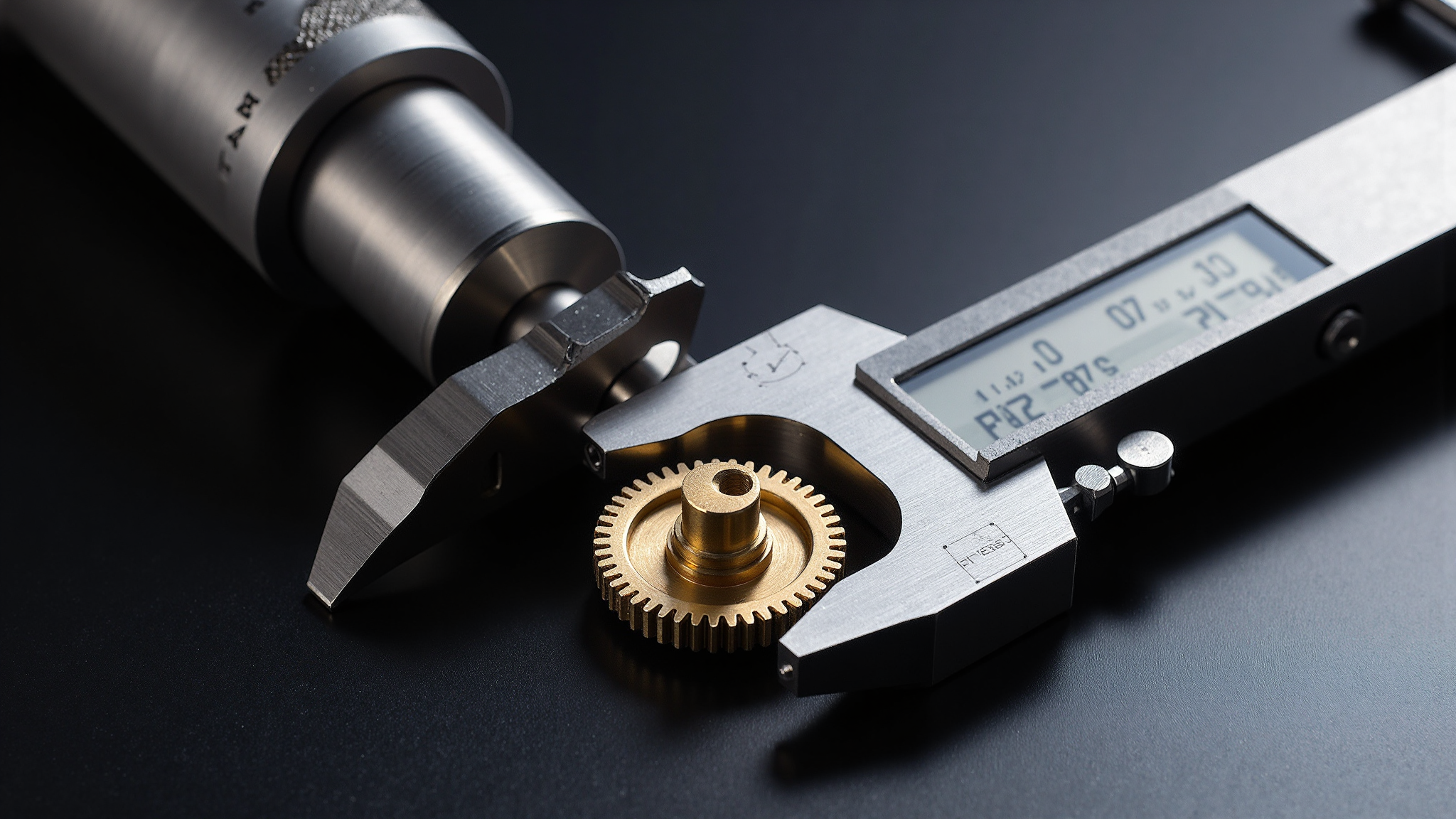
Precision Comparison: ZCRA Matches Imported Equipment; Domestic Standard Sampler Shows Serious Deviation
Below is the consolidated test data for all six workpieces across the three machines (maximum deviation from 30 samples, unit: mm):
| Workpiece # | Material | Machine A (Domestic Std.) | Machine B (ZCRA) | Machine C (Imported Ref.) | Drawing Tolerance |
|---|---|---|---|---|---|
| #1 | Conductive Cloth 0.1mm | ±0.18 | ±0.04 | ±0.05 | ±0.15 |
| #2 | Silicone Foam 3mm | ±0.48 | ±0.05 | ±0.06 | ±0.20 |
| #3 | PET Film 0.125mm | ±0.15 | ±0.03 | ±0.04 | ±0.15 |
| #4 | Thermally Conductive Silicone 1.5mm | ±0.25 | ±0.04 | ±0.05 | ±0.15 |
| #5 | Poron Foam 2mm | ±0.38 | ±0.05 | ±0.06 | ±0.20 |
| #6 | PTFE Film 0.08mm | ±0.20 | ±0.04 | ±0.05 | ±0.15 |
Key Findings
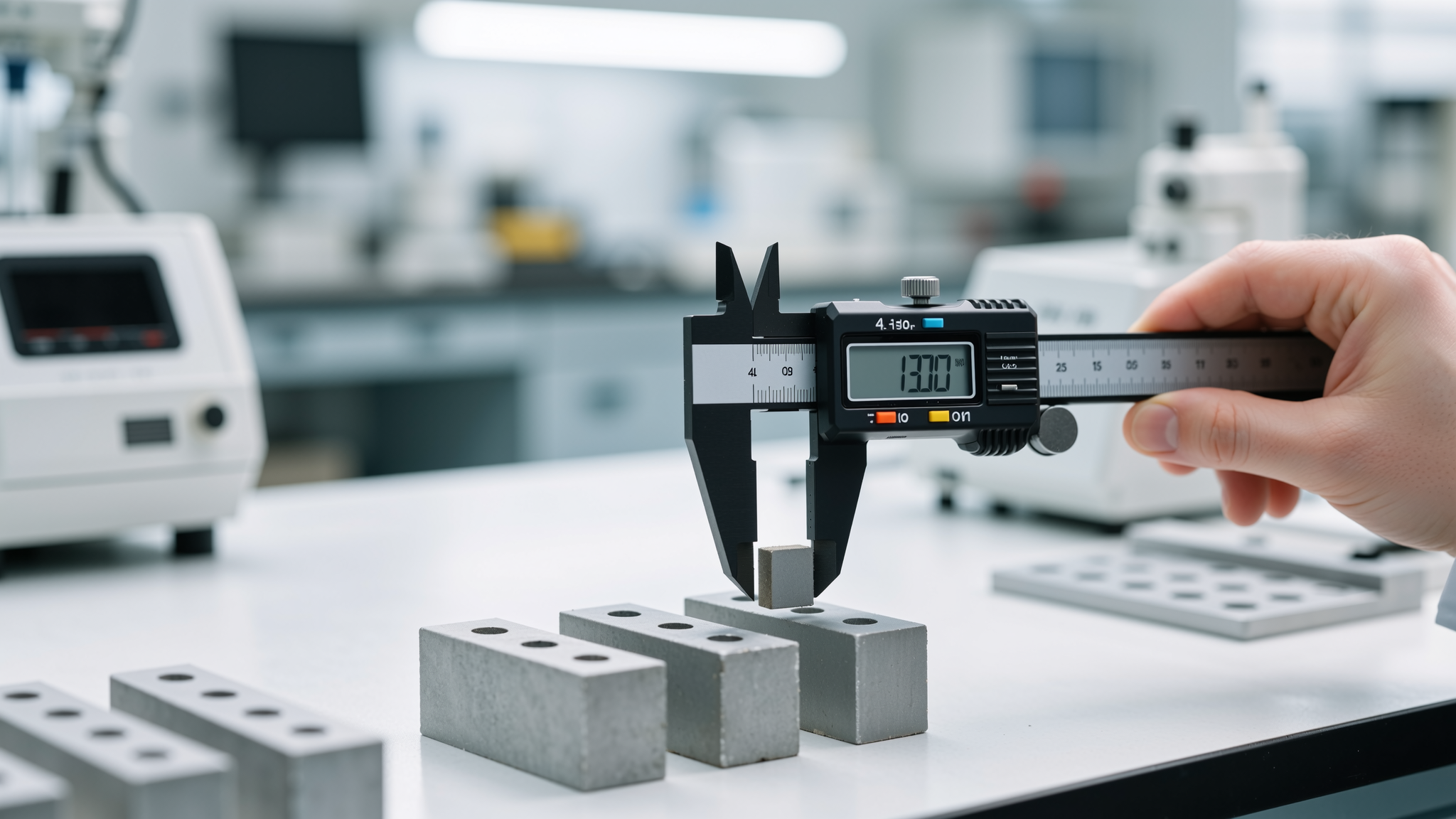
1. Thick foam and high-elasticity silicone are the "weak points" of domestic equipment. Machine A showed a maximum deviation of 0.48mm when cutting 3mm silicone foam — 2.4× the upper tolerance limit. Poron foam also exceeded tolerance at 0.38mm. The root cause lies in imprecise cutting depth control in standard equipment's vibration knife mechanism; material compression and rebound cause severe dimensional shifts.
2. ZCRA precision is in the same tier as imported equipment. Across all six workpieces, the ZCRA's maximum deviation was only ±0.05mm, essentially matching the imported Machine C at ±0.06mm, and far outperforming Machine A's average deviation of ±0.27mm.
3. Cold-cutting technology protects heat-sensitive materials. Cutting temperature remained below 40°C throughout the entire process. Heat-sensitive materials such as thermally conductive silicone sheets and conductive cloth showed no edge melting or carbonization — material properties were preserved with zero degradation.
4. High-stretch material deviations remain controllable. Even with highly elastic materials like silicone foam, the ZCRA's servo-driven system with real-time pressure compensation kept deviations within ±0.05mm — well within the drawing tolerance of ±0.20mm.
Conclusion & Recommendations
This field test demonstrates that the ZCRA single-head sampler achieves precision performance on par with imported equipment in precision electronics die-cutting applications, at a procurement cost of only 1/4 to 1/3 that of imported alternatives. The ZCRA is a priority consideration for the following types of enterprises:
- Precision die-cutting companies with drawing tolerance requirements of ≤±0.15mm
- Prototyping centers that frequently switch materials (from thin films to thick foam)
- Production lines currently using domestic equipment but experiencing frequent tolerance exceedances and high rework rates
- Small-to-medium die-cutting shops with budget constraints unwilling to compromise on precision
Following the completion of this field test, Luxshare Precision has deployed ZCRA equipment at two of its production facilities for daily prototyping and small-batch mass production.
Frequently Asked Questions
Q1: Why doesn't the ZCRA exceed tolerance when cutting thick foam?
The ZCRA uses a servo-driven system to precisely control cutting depth, combined with vibration knife cold-cutting technology. The blade does not over-penetrate after cutting through the material, avoiding the dimensional shifts caused by compression deformation in thick foam. Standard equipment's stepper motors are prone to "over-cutting" or "under-cutting" when encountering high-rebound materials.
Q2: Does conductive cloth develop frayed edges during cutting?
No. The vibration knife cold-cutting process maintains temperatures below 40°C throughout, preventing melting of the conductive cloth's metallic coating. In the field test, conductive cloth workpiece edges were clean and burr-free, and conductivity testing passed successfully.
Q3: What is the maximum material thickness the ZCRA can handle?
The ZCRA single-head sampler has a standard cutting thickness range of 0.05mm–5mm, covering the vast majority of electronics die-cutting materials. For thicker materials (e.g., rubber pads above 8mm), the ZCR series full-function cutting robots are recommended.
Q4: What is the approximate equipment cost?
The ZCRA is positioned as a precision sampler, priced at approximately 1/4 to 1/3 of comparable imported equipment. Specific pricing depends on head configuration, worktable size, and customization requirements. Contact our engineers for a tailored solution.
Q5: Does it support small-batch mass production?
Yes. Although positioned as a sampler, the ZCRA's servo-driven system achieves repeat positioning accuracy of ±0.03mm, fully meeting the precision consistency requirements for small-batch orders up to 500 pieces. For large-scale mass production, the ZCR series is recommended.