
Advertising Sign Company Replaces Laser Cutting with ZCRA1410—KT Board/Acrylic Cutting Without Burnt Edges
全球近6000家客户的共同选择
Advertising Sign Company Replaces Laser Cutting with ZCRA1410—KT Board/Acrylic Cutting Without Burnt Edges
Background
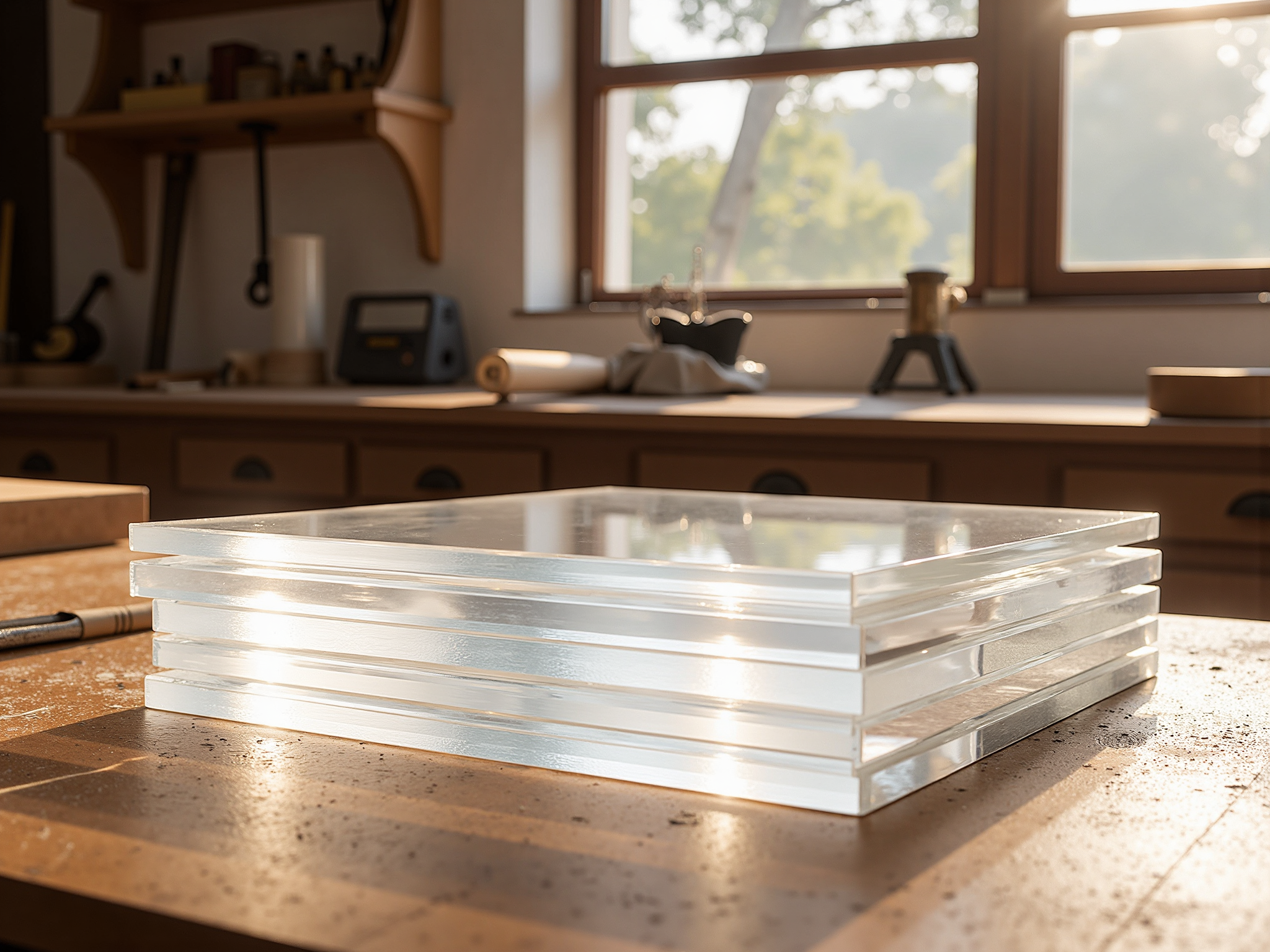
An advertising sign manufacturer in Dongguan specializes in large-format light boxes, exhibition displays, and retail POP signage, processing over 500,000 square meters of board materials annually. Their primary cutting materials include KT board (3–10 mm), acrylic sheets (3–20 mm), and PVC foam board (5–15 mm).
The company previously relied on two CO₂ laser cutters for daily production. As order volumes grew and customers demanded higher cut quality, the limitations of laser cutting became increasingly apparent.
Q: What are the pain points of laser cutting for advertising materials?
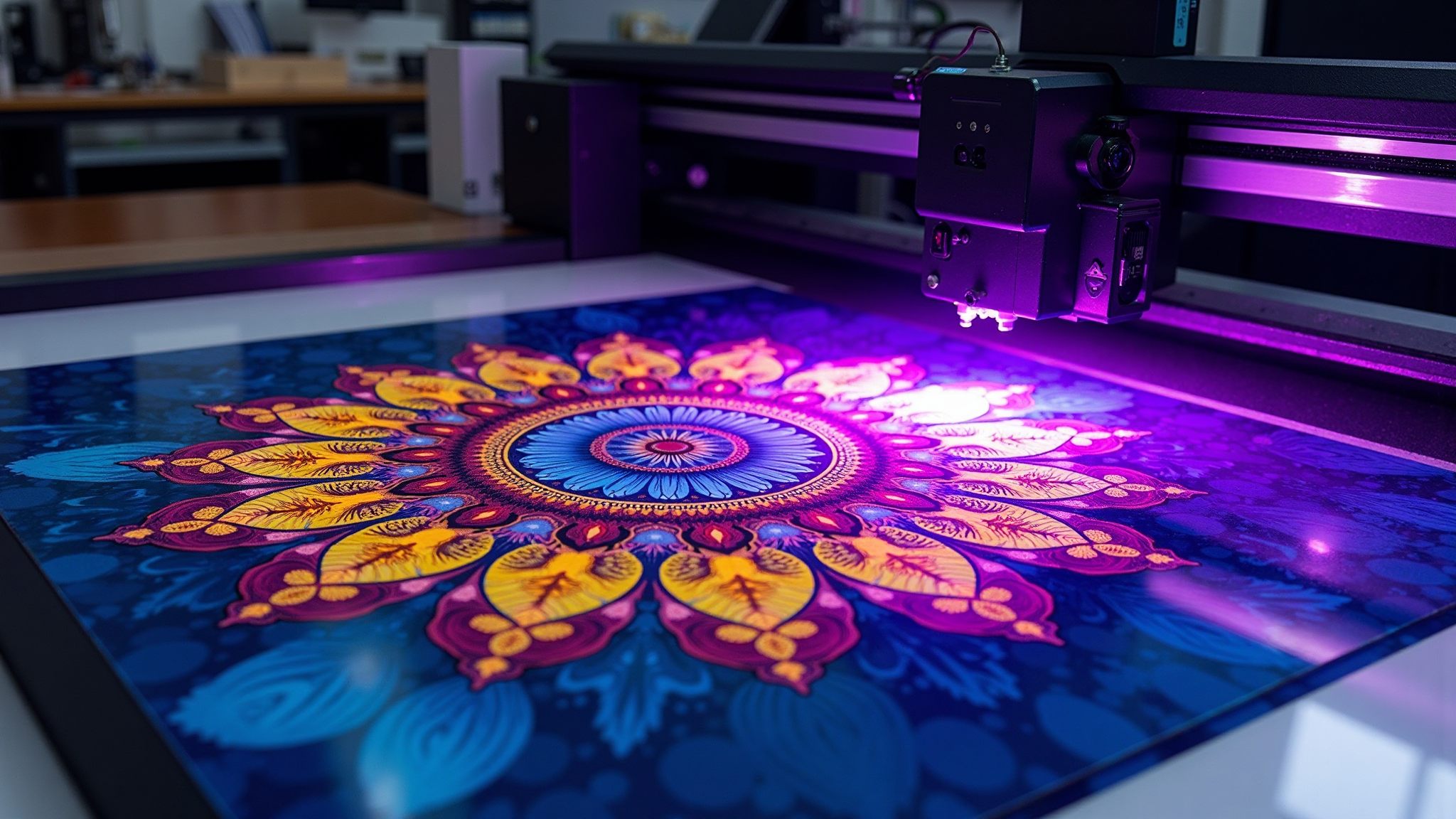
Laser cutting generates intense heat at the kerf, leaving visible burn marks on KT board and acrylic edges. Thin sheets under 3 mm are especially prone to yellowing and blackening, which ruins the visual quality of printed advertising graphics. Customer returns and rework due to burnt edges were a routine occurrence.
The high temperatures also cause thermal deformation in low-melting-point materials like KT board, resulting in warped panels that require additional cooling and straightening steps. When cutting PVC foam board, the process releases pungent hydrogen chloride gas, creating a harsh workshop environment.
After laser cutting, workpieces must cool in open air for approximately 30 minutes before downstream processing or handling, severely limiting production cadence. On top of that, the laser tube—a high-wear consumable—needs replacement every 6–8 months at a cost exceeding ¥8,000 per swap.
Q: How does vibrating knife cold cutting solve these problems?
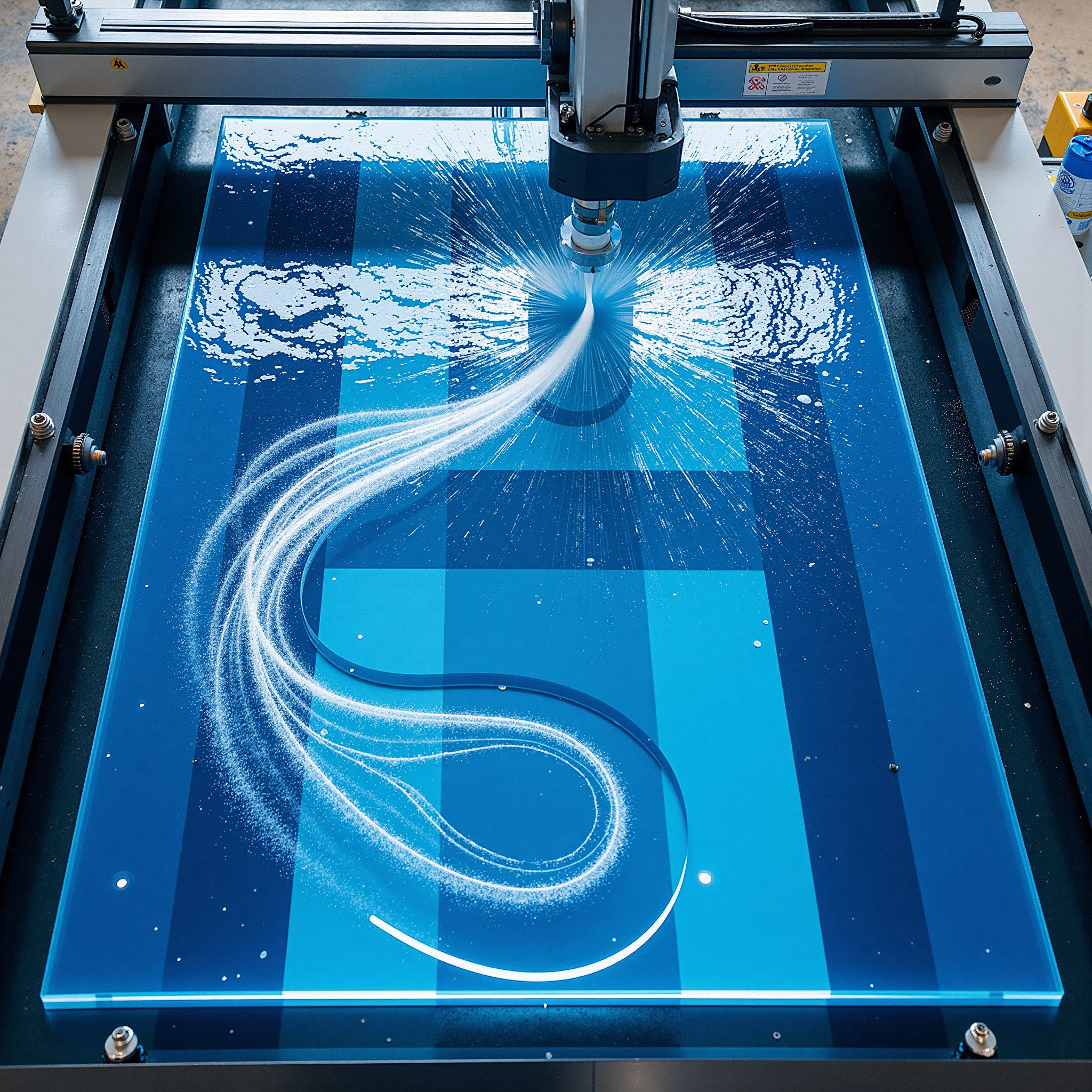
The ZCRA1410 uses a high-frequency oscillating blade to separate material through mechanical vibration rather than thermal energy. The entire cutting process is cold—no heat-affected zone, no burnt edges, no thermal warping, and no toxic fumes.
The 1,400 mm × 1,000 mm work surface accommodates multiple standard boards in a single load. Paired with an automatic material feed system, the machine runs continuously without operator intervention between cycles.
Q: What materials can ZCRA1410 cut?
ZCRA1410 handles a wide range of advertising sign substrates: KT board (3–10 mm), acrylic sheets (3–20 mm), PVC foam board (5–15 mm), corrugated plastic, foam core, PVC self-adhesive vinyl, and various composite panels. Blade type and cutting speed are adjusted per material to optimize edge quality and throughput.
Q: What is the precision and speed?
Cutting accuracy reaches ±0.1 mm, sufficient for intricate logo lettering and tight-fit assembly joints. Cutting speed ranges from 200 to 1,200 mm/s depending on material type and thickness. For standard 5 mm KT board, the machine achieves over 800 mm/s with clean, burr-free edges.
Q: What is the ROI?
Lead time
Laser-cut parts require ~30 minutes of air cooling before handling. ZCRA1410 parts are ready immediately after cutting—cut and take. Each workpiece saves 30+ minutes of cycle time, lifting daily throughput by roughly 25%.
Operating cost
Laser cutters consume a laser tube every 6–8 months (¥8,000 each) and draw 3,000 W, costing about ¥120/day in electricity. ZCRA1410 has zero laser tube costs and draws only 1,800 W, cutting daily electricity to ~¥72—a 40% reduction. Annual consumable savings alone exceed ¥16,000.
Defect rate
Laser cutting defect rates on KT board and acrylic hovered at 10–15%, worsening in summer heat. After switching to cold cutting, clean kerf quality pushed the defect rate below 2%, eliminating over 50,000 m² of annual material waste.
Q: How about after-sales support?
ZCCUTTER provides on-site installation, operator training, and a dedicated service hotline. Spare blades and wear parts are stocked for next-day dispatch. Preventive maintenance visits are scheduled quarterly to keep the machine at peak performance, minimizing unplanned downtime.