
3C Electronics Auxiliary Materials Factory Uses ZCRA0909 for Precision Foam Cutting at ±0.02mm—Replacing Imported Die-Cutting Machines
全球近6000家客户的共同选择
3C Electronics Auxiliary Materials Factory Uses ZCRA0909 for Precision Foam Cutting at ±0.02mm—Replacing Imported Die-Cutting Machines
Industry Background: The Precision Demands of 3C Electronics
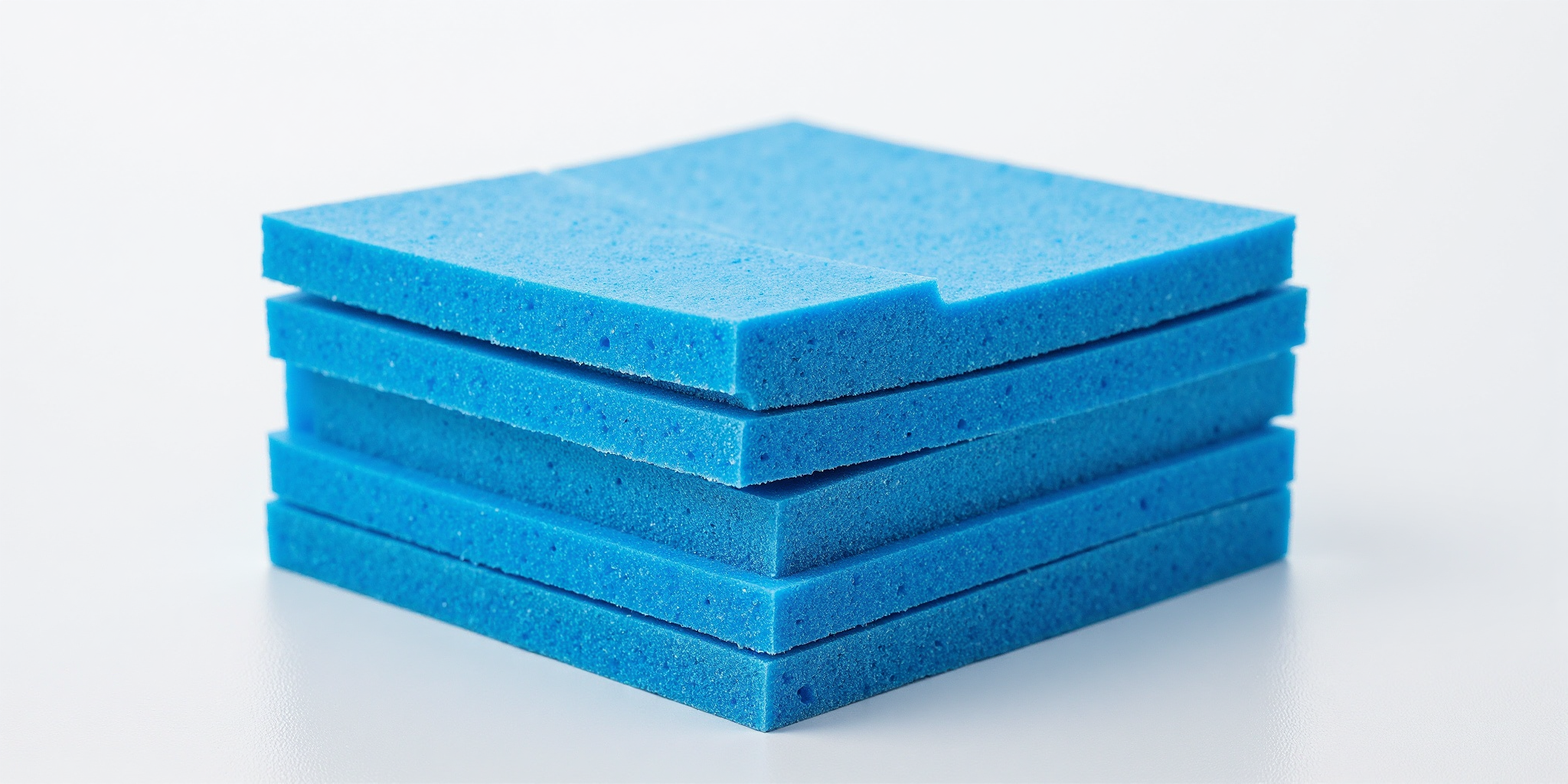
The 3C electronics industry—computers, communications, and consumer electronics—demands ever-tighter tolerances from internal functional components. Conductive foam seals, silicone cushioning pads, PET insulation films, and EMI shielding materials must fit precisely within slim device housings, often with dimensional tolerances under ±0.05mm. As smartphones, tablets, and laptops iterate faster each year, suppliers face mounting pressure to deliver small-batch, high-mix orders without sacrificing accuracy or turnaround speed.
For auxiliary materials manufacturers, the choice of cutting technology directly determines whether they can meet these requirements profitably. Traditional steel-rule die-cutting, while proven at scale, introduces tooling costs and lead times that erode margins on the very orders growing fastest in this market.
Customer Story: Pain Points with Imported Die-Cutting Machines
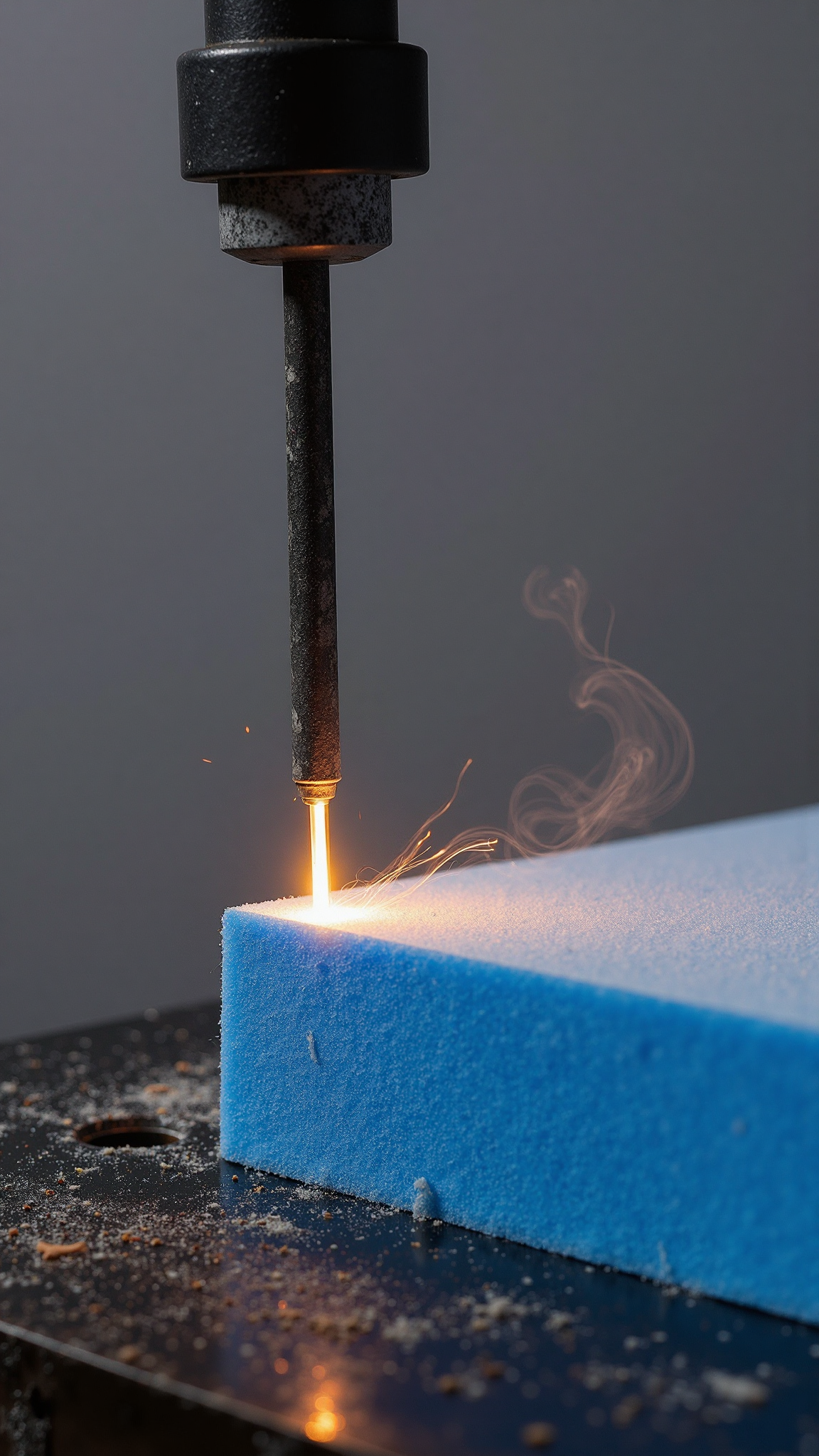
A Shenzhen-based 3C electronics auxiliary materials company specializes in supplying internal functional components for smartphones, tablets, and laptops. Their product range includes conductive foam seals, silicone buffer pads, PET insulation sheets, and EMI shielding materials, with material thicknesses spanning 0.5–3mm.
The company had relied on a Japanese-imported high-speed die-cutting machine for batch production. Every new product required a custom precision die, costing ¥2,000–¥8,000 per set with fabrication lead times of up to 5 working days—or 7–10 days for complex geometries. As consumer electronics product cycles accelerated, small-batch and multi-SKU orders grew to over 60% of total volume, making the traditional die-cutting model increasingly unsustainable.
Three pain points stood out. First, die amortization on short runs was brutal: a 50-piece prototype order could see die costs exceed the product value itself. Second, the 5-day die lead time created bottlenecks in new product development, causing customers to miss market windows. Third, material adaptability was limited—different foam hardnesses and thicknesses required different die specifications, changeover was slow, and die wear degraded cutting accuracy over time, resulting in a 3–5% scrap rate and over ¥150,000 in annual material waste.
The ZCCUTTER Solution: ZCRA0909 Precision Sampler
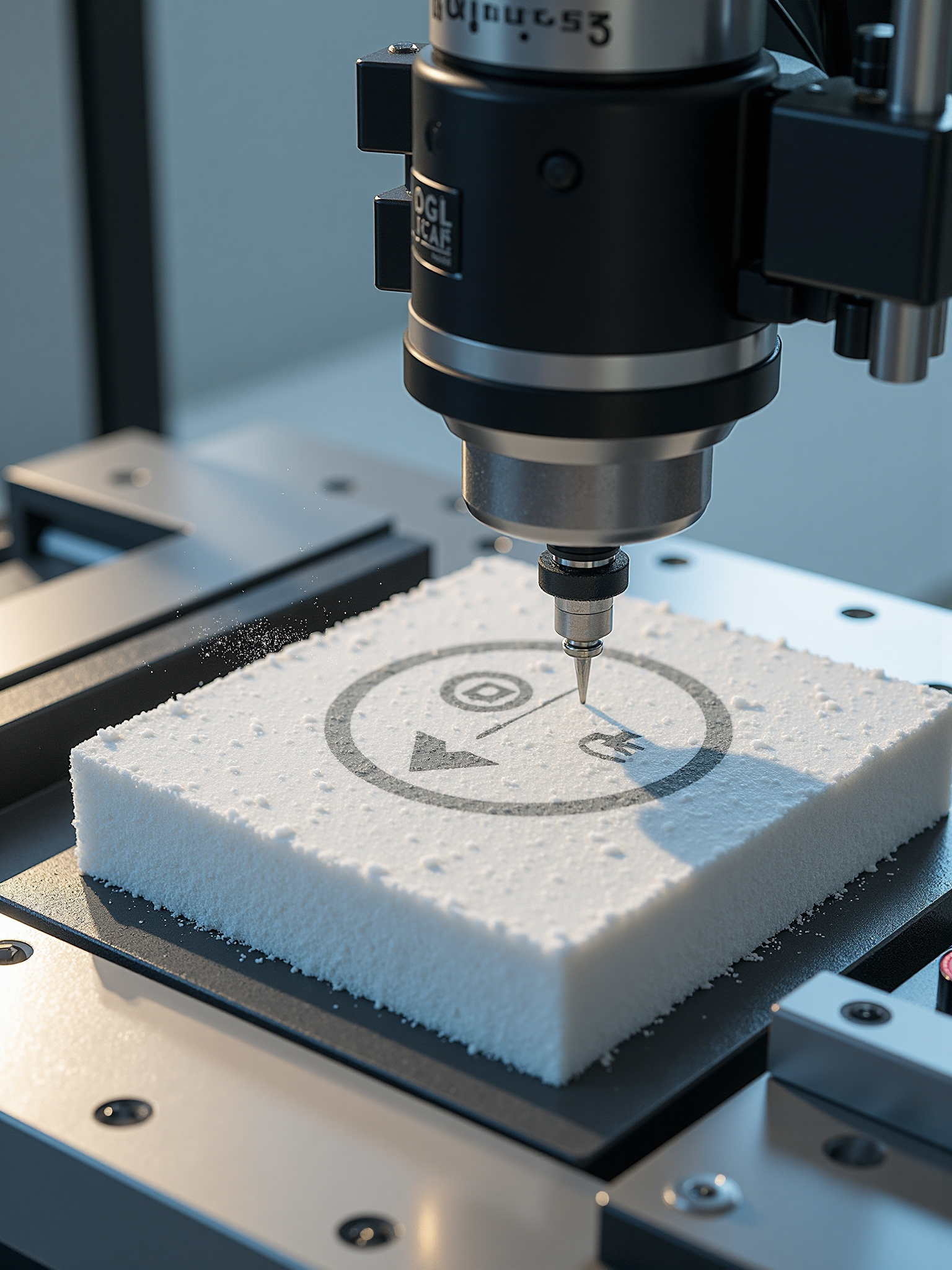
The company introduced the ZCRA0909 precision sampler from ZCCUTTER, equipped with a CCD vision positioning system that achieves ±0.02mm cutting accuracy. The machine uses vibration-blade cold-cutting technology, which requires no dies at all—operators simply import CAD files and cut any shape or size instantly.
The CCD vision system automatically detects material placement and compensates for positional deviations in real time, ensuring consistent accuracy across every piece. The vibration blade produces clean, burr-free edges on conductive foam, silicone foam, and other compliant materials without thermal distortion—a critical advantage over laser-based alternatives for foam applications.
Implementation Process
Deployment followed a straightforward path. The ZCRA0909 was installed alongside existing equipment, requiring no special foundation or environmental controls. Operators already familiar with CAD tooling adapted quickly—the software interface accepts standard DXF/DWG files directly. Within one week, the team had migrated their top 20 high-frequency SKUs from die-cutting to digital cutting, validating dimensional accuracy against customer specifications on every part.
The key operational change was eliminating the die fabrication step entirely. Where a new product once triggered a 5-day wait for die delivery, the same part now goes from CAD file to first finished piece in under 10 minutes. Changeover between different products takes seconds—just load the next file and reposition the material sheet.
Results and ROI
Lead Time
Traditional die-cutting required waiting 5 working days for die fabrication, with complex structures taking 7–10 days. The ZCRA0909 reads CAD files and cuts instantly—first-piece completion in 10 minutes, eliminating die wait times entirely. New product development response speed improved by over 50×.
Cost
The imported die-cutting machine required dies costing ¥2,000–¥8,000 per product, with annual die expenditure exceeding ¥300,000. The ZCRA0909 eliminates all die costs—a 100% saving. For a typical order of 500 conductive foam seals, the original die-cut unit cost was ¥12 (including die amortization); vibration-blade cutting brought it down to ¥6, a 50% reduction per piece.
Quality
Die wear and changeover adjustments had driven a 3–5% scrap rate under the old process, wasting over ¥150,000 in materials annually. With CCD vision positioning and automatic compensation, the ZCRA0909 holds cutting accuracy steadily at ±0.02mm, dropping the scrap rate below 0.5% and saving over ¥120,000 in material costs per year.