

Taiwan Aramid Fiber Manufacturer: Second Purchase of ZCRC Dual-Head Cutter Replaces Imported Equipment—±0.02mm Precision, 40% Capacity Increase
全球近6000家客户的共同选择
Taiwan Aramid Fiber Manufacturer: Second Purchase of ZCRC Dual-Head Cutter Replaces Imported Equipment—±0.02mm Precision, 40% Capacity Increase
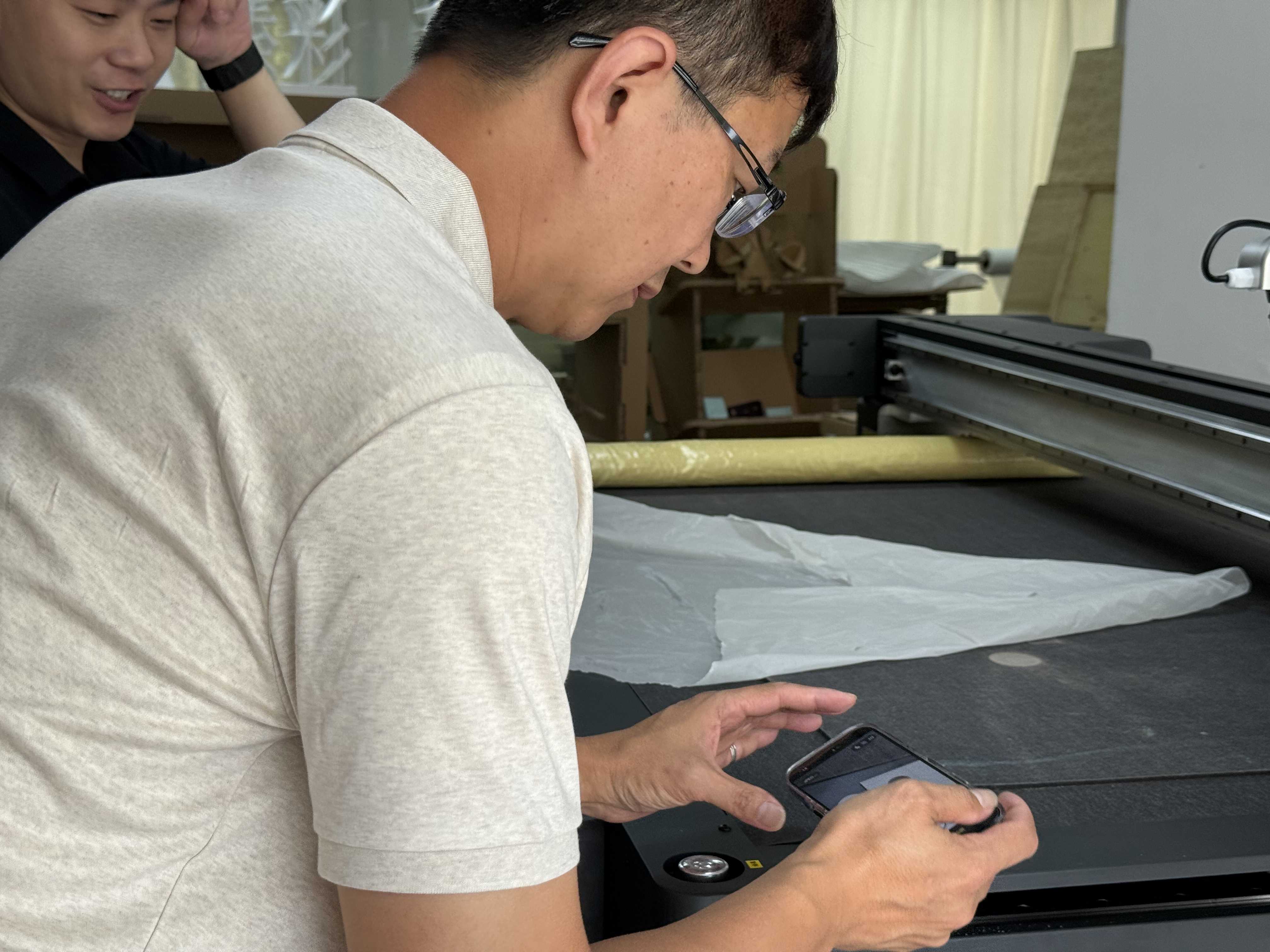
In 2024, a new materials manufacturer in Taiwan, China, purchased its first ultra-large-format carving and cutting machine (4000×2000mm). By May 2026, the company returned to order an additional ZCRC1814 dual-head model, with the client traveling to our facility in person to complete acceptance testing. During the on-site visit, gradient sample trials were conducted on 3mm woven aramid fiber fabric used for protective shoe insoles—validating both batch processing speed and cross-section finish, while generating a complete set of process parameters to support the client's planned flexible production line expansion.
First Contact: A Manufacturer Frustrated by Imported Equipment Limitations
The client is a Taiwan-based specialist in flame-retardant woven aramid fiber, serving three core markets: protective insoles, industrial insulation, and high-end electrical insulation components. For years, the company relied on a single-head Swiss Zünd import cutter for all production. Over time, three critical pain points emerged that constrained capacity expansion.
1. Thermal damage driving high scrap rates. Traditional laser-melt cutting scorched the aramid fibers, leaving carbonized edges, fiber pull-out, and brittle fractures. Finished insole fit rates fell below spec, and batch scrap costs climbed steadily.
2. Dual inefficiency in production and sampling. The single-head design required multiple segmented passes for large-format rolls, introducing dimensional mismatches at splice points. Setup procedures were cumbersome, and new material trials took days—slowing new product launches.
3. Unsustainable total cost of ownership. Proprietary spare parts carried long lead times and premium pricing. Custom modifications were prohibitively expensive. As insole orders grew year on year, maintenance and consumable costs became impossible to justify.
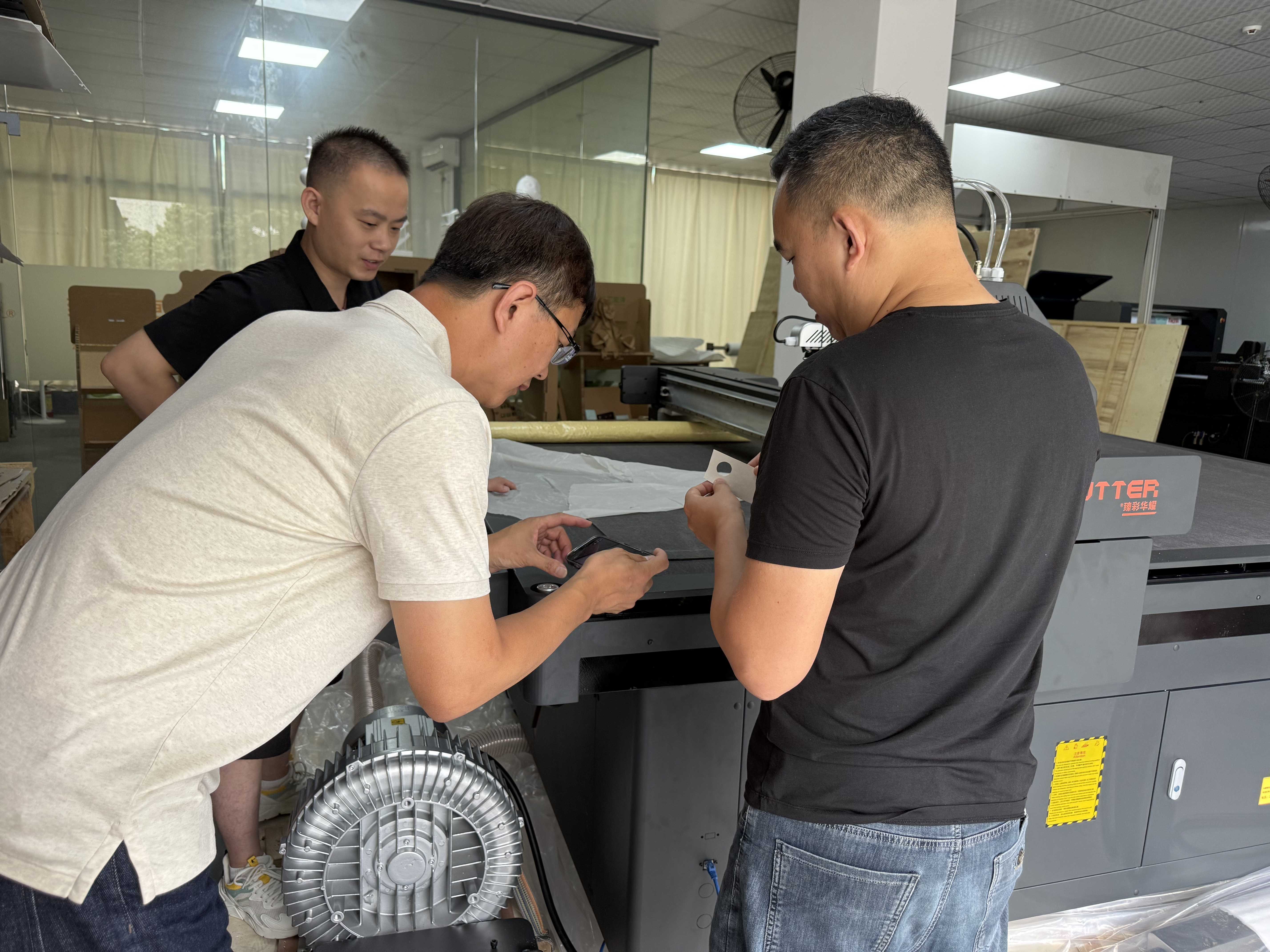
Sample Testing: Two Minutes from Raw Material to Verified Results
The client brought 3mm woven aramid shoe insole fabric to our facility for hands-on acceptance testing. Using only a small aramid sample provided by the client, our process engineer leveraged the ZCRC's rapid tool-change system to complete a full cutting trial in just 2 minutes—producing finished cross-section samples and dimensional accuracy data on the spot, with no custom die required.
Multiple variable groups were tested across different blade pressures and feed speeds. Complete front-and-back, cross-section samples were retained, alongside standardized accuracy and efficiency records. Live video of continuous dual-head cutting was captured to document production-ready throughput.
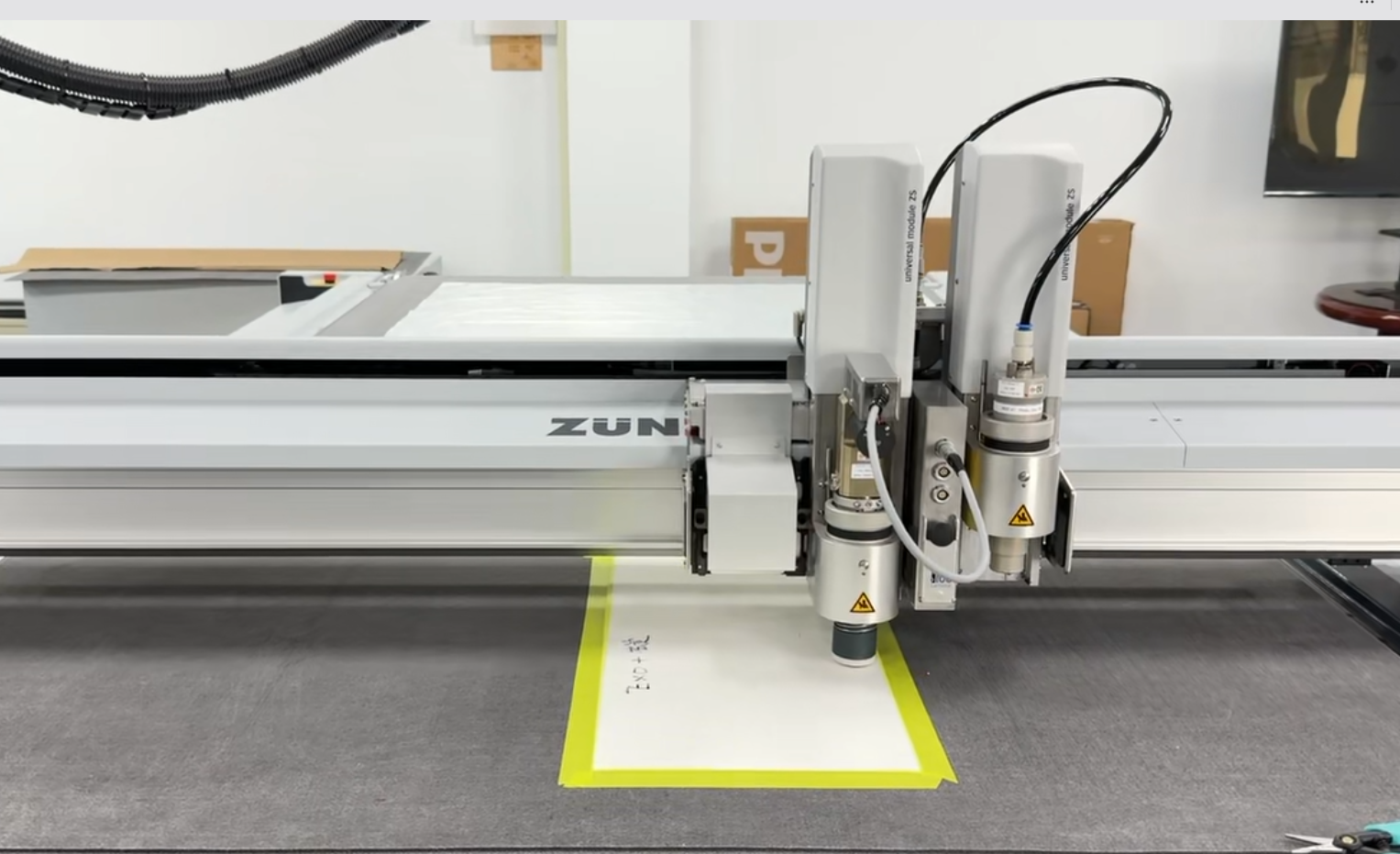
Head-to-Head: ZCRC vs. Zünd on Identical Material
| Test Parameter | ZCRC Dual-Head Result | Previous Zünd Single-Head |
|---|---|---|
| Repeat positioning accuracy | ±0.02mm, no splice-zone deviation | Dimensional stability outperformed by ZCRC |
| Cutting process | Room-temperature physical cold cutting, zero thermal exposure | Clean cross-section — no carbonization, no fiber pull-out or brittle fracture |
| Batch throughput | Dual-head simultaneous parallel cutting | Overall production efficiency up 40% |
| Material waste control | Standard carbide blades, no custom dies needed | Edge scrap reduced by 18% |
| Consumables + annual maintenance cost | Domestic standard parts, local after-sales response | Total annual operating cost down 26% |
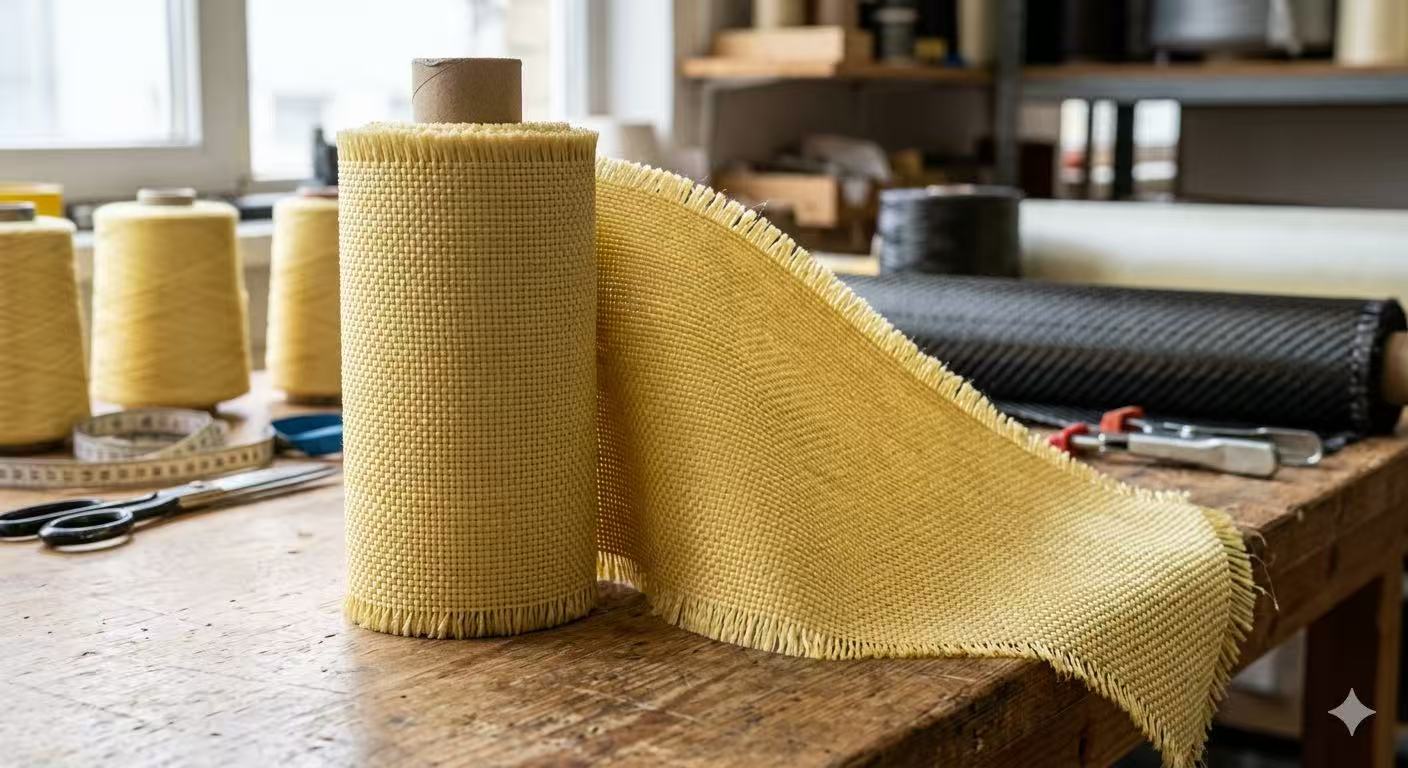
Testing used the same batch of 3mm woven aramid insole fabric. The Zünd single-head could only process one path at a time, while the ZCRC's dual-head parallel structure compressed per-batch cycle time dramatically. Under identical accuracy standards, the ZCRC delivered higher throughput and lower defect rates—confirming that the client's core challenges of efficiency, thermal damage, and cost were fully resolved.
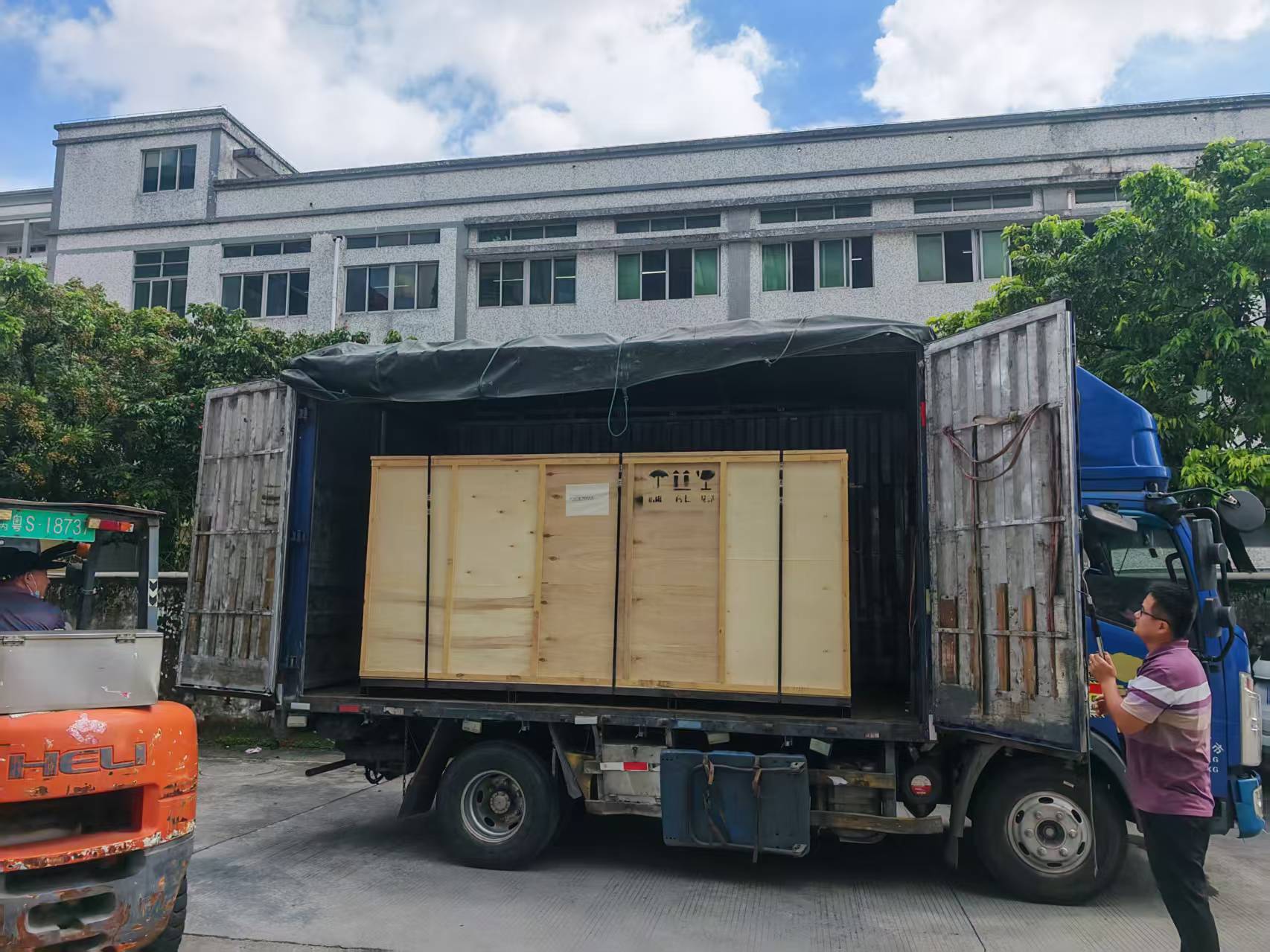
First Purchase: Stable Production Over a Full Year
The initial ultra-large-format cutting machine entered stable mass production immediately after installation. Over the course of a full year, every metric of the aramid insole cutting process met or exceeded targets. The persistent problems of thermal damage, dimensional drift, and escalating maintenance costs that had plagued the client's Zünd-based line were eliminated.
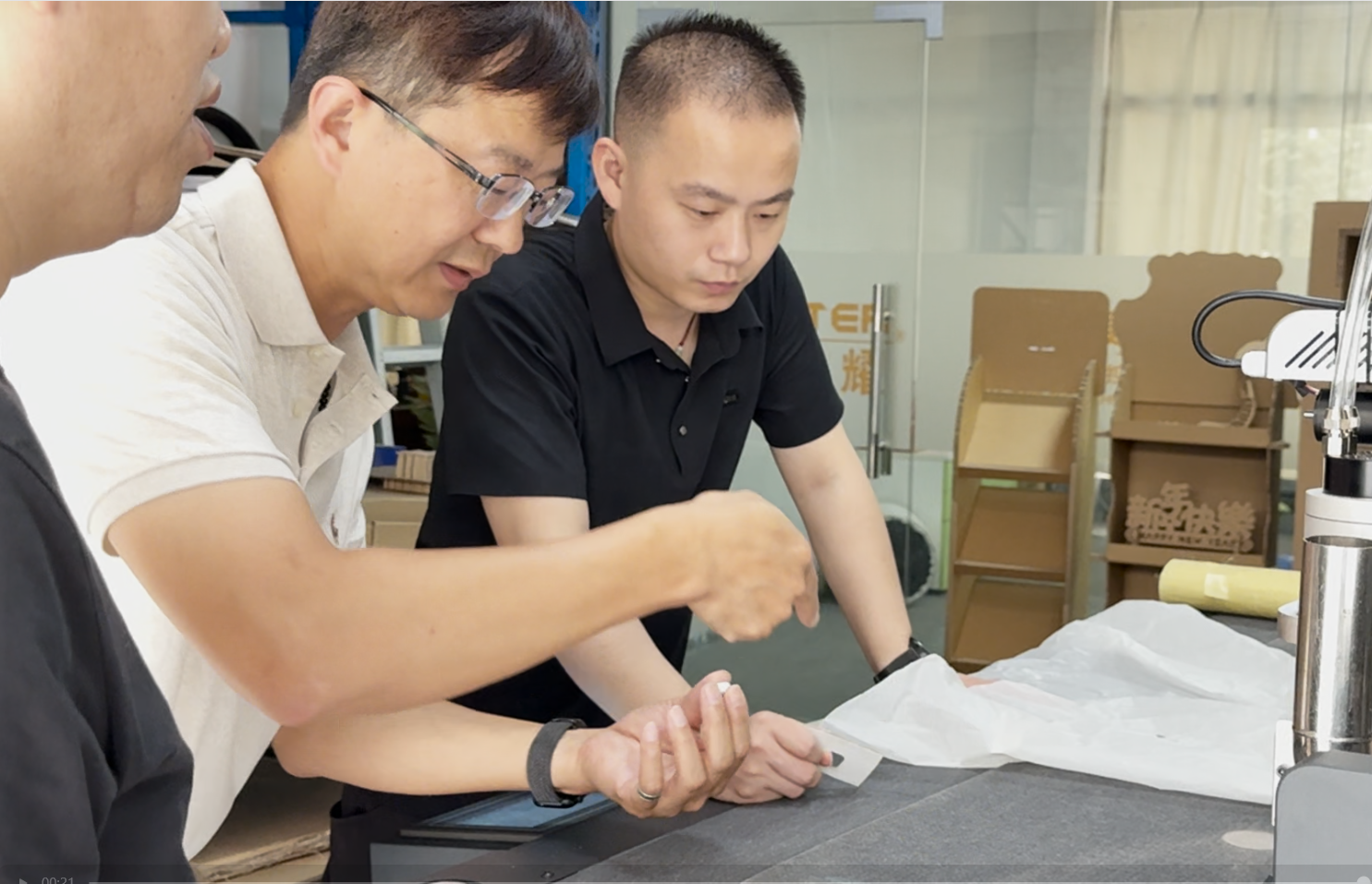
Second Purchase: Scaling the Flexible Production Line
Based on a full year of proven performance and the successful on-site sample trials, the client formally committed to purchasing the ZCRC1814 dual-head model to expand its automated flexible production line. The plan calls for phased, complete replacement of the legacy Zünd cutting line across all production cells.
"The first machine ran stably for an entire year with excellent cutting consistency. This time, from a tiny sample to a finished cut in just 2 minutes — cold cutting means no burn marks or fiber pull-out, and the dual-head parallel speed far exceeds our old equipment. Total operating costs are lower, and it fully supports our planned insole capacity expansion." — Production Director, Taiwan new materials enterprise
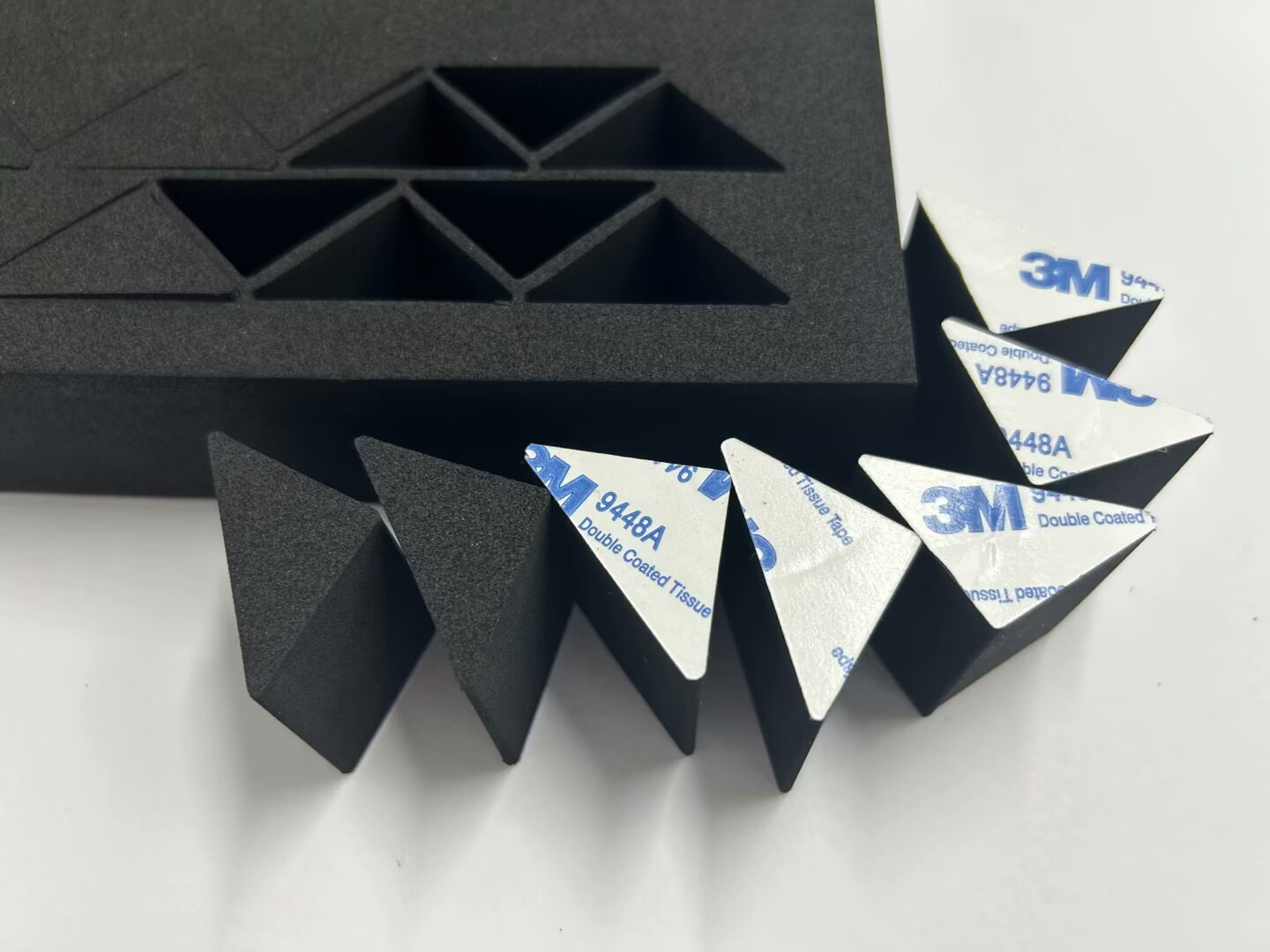
Why ZCCUTTER: Five Differentiators That Won This Client
1. 1,500+ material-specific process database. Covering aramid, carbon fiber, fiberglass, insulation foam, honeycomb cardboard, corrugated board, and other industrial composites.
2. Proprietary room-temperature cold cutting. Zero thermal damage — no carbonization, fiber pull-out, or brittle fracture — meeting the stringent requirements of protective equipment and precision component manufacturing.
3. Dual-head parallel architecture. 40% higher batch throughput on the same working area, compressing lead times for large-volume orders.
4. Free global material trial program. Manufacturers worldwide can ship samples for one-on-one process validation, receiving a custom report covering cutting accuracy, throughput projection, and consumable cost analysis.
5. Air-gapped operation capability. All models support physical network disconnection, meeting information security requirements for military and sensitive manufacturing environments.
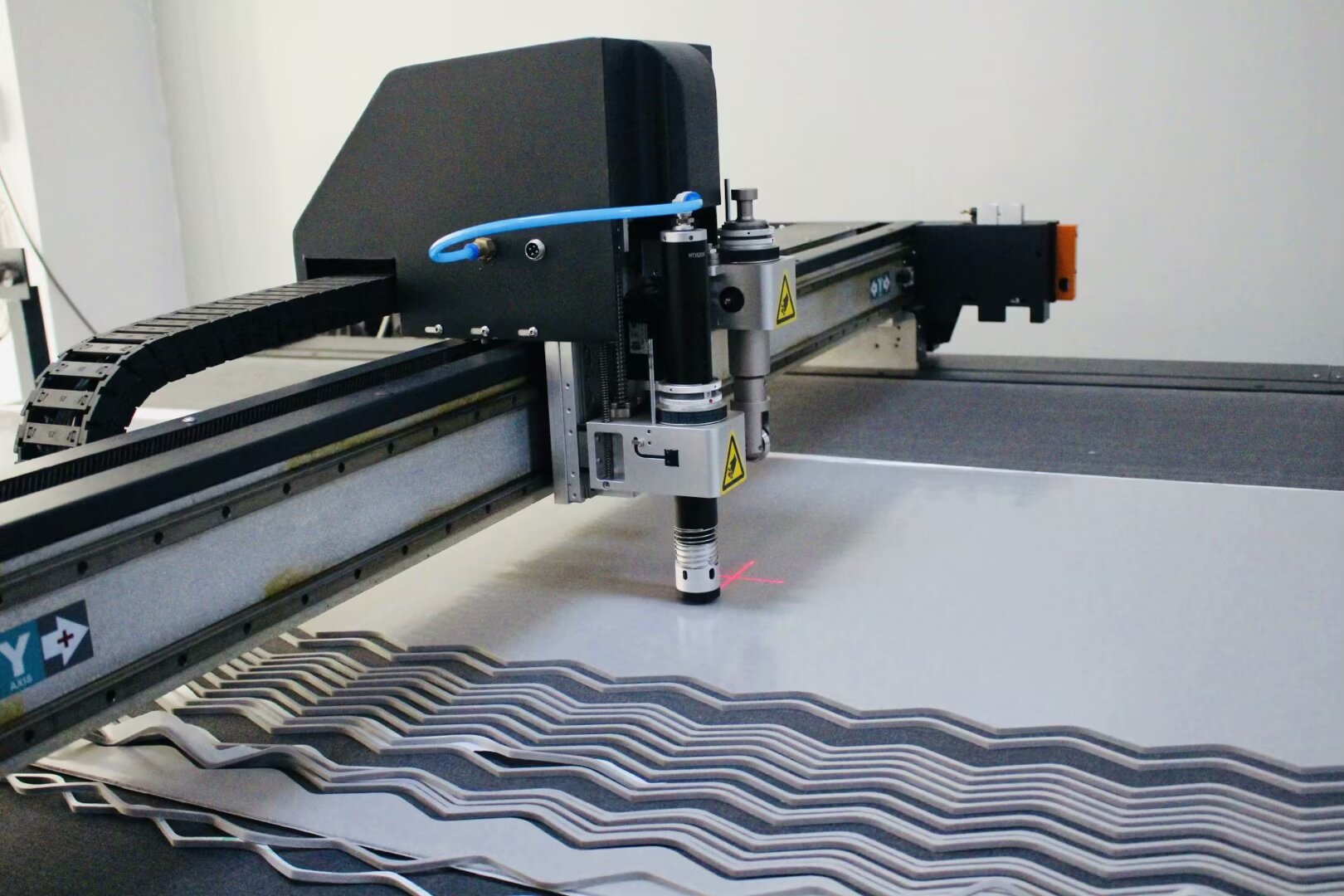
Free Sample Cutting Invitation
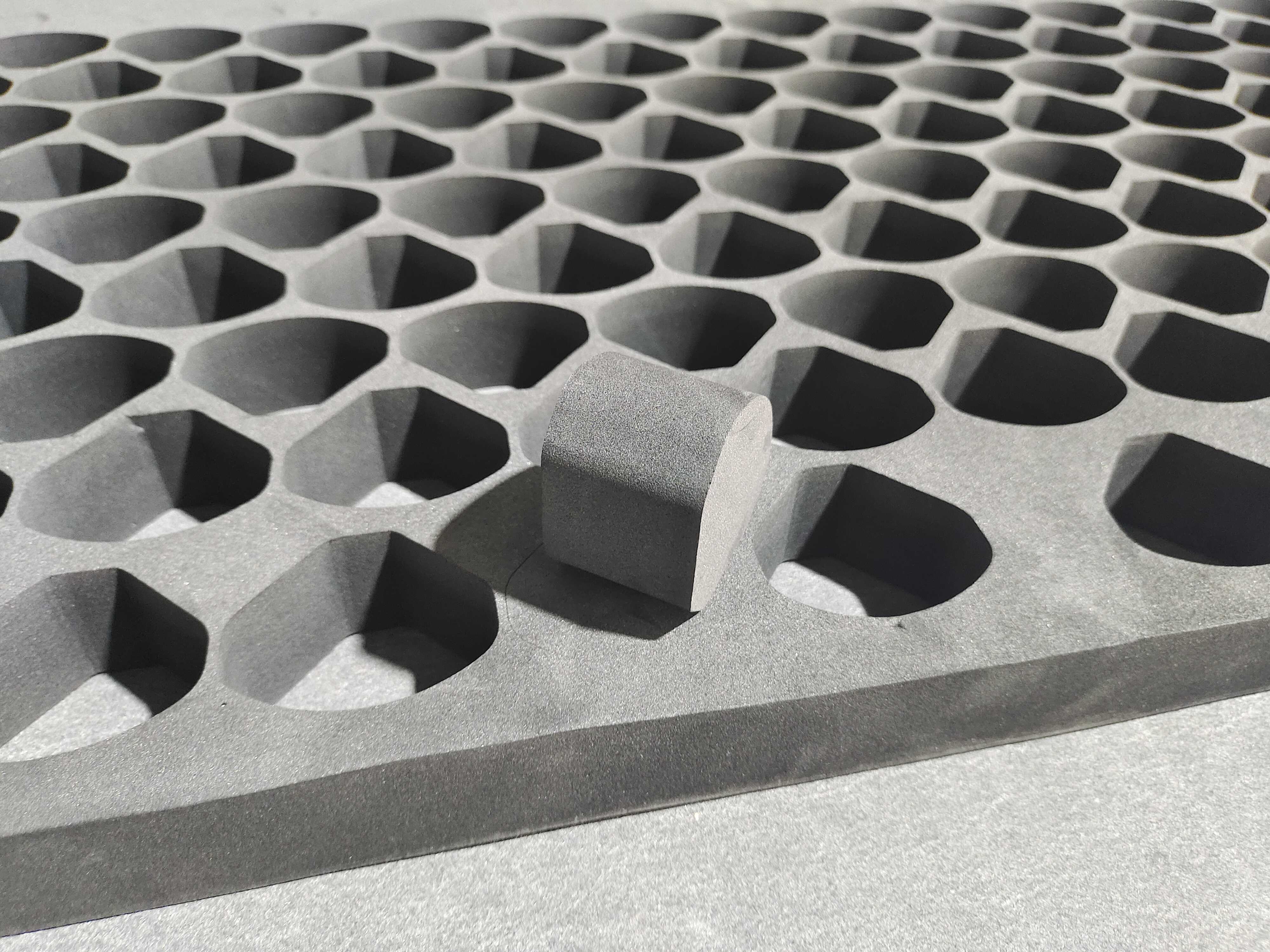
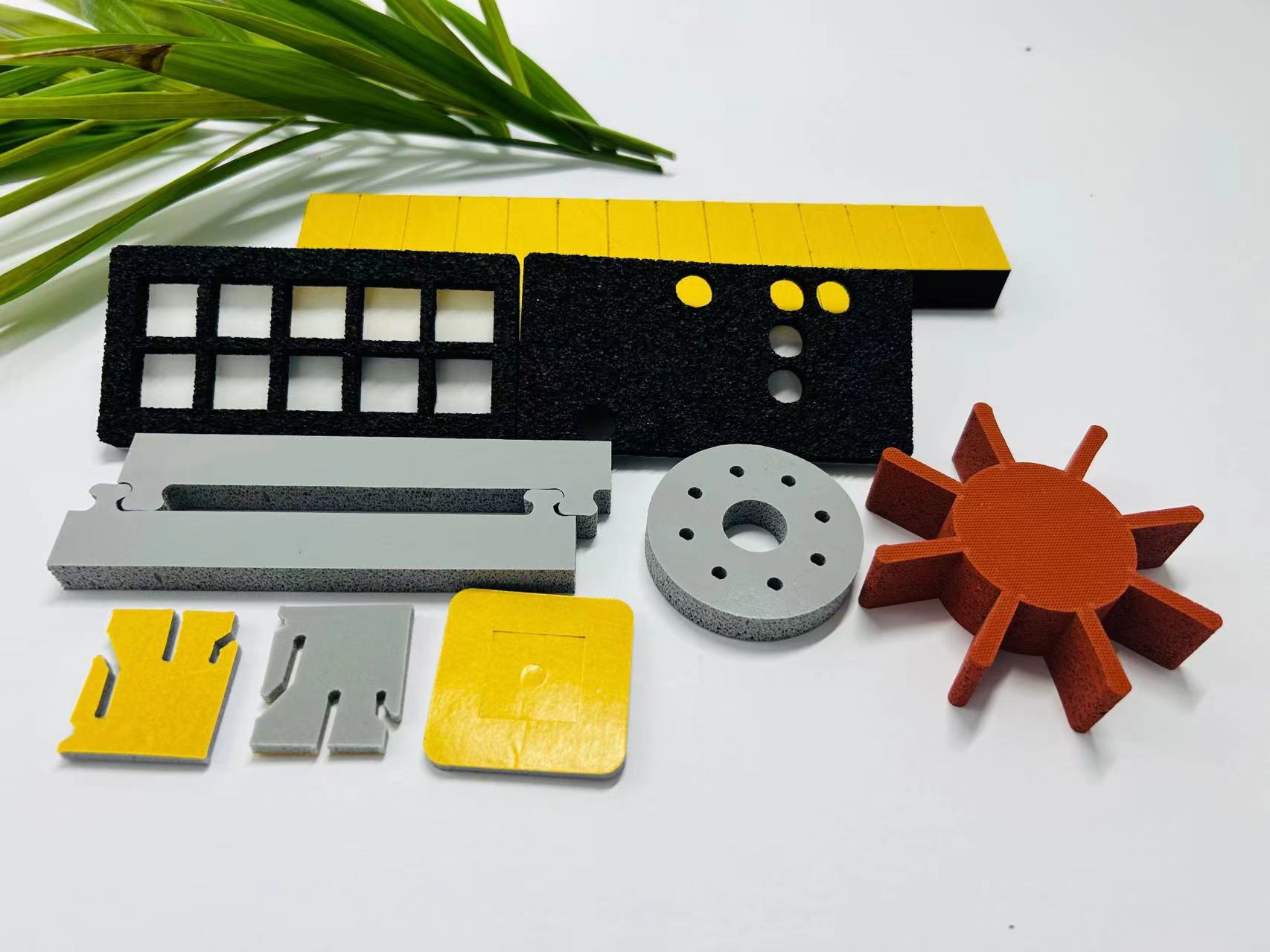
Manufacturers processing aramid fiber, insulation foam, fiberglass, soft magnetic materials, honeycomb cardboard, corrugated board, or other challenging flexible composites are invited to send roll or sheet samples to ZCCUTTER for complimentary trial cutting. Our process engineers will deliver a complete sample report and production cost analysis tailored to your material thickness, grammage, and batch volume.
Case Data Card
| Client Industry | New materials / protective insoles (aramid fiber products) |
|---|---|
| Material Cut | Woven aramid fiber fabric |
| Material Thickness | 3mm |
| Original Pain Points | Imported Zünd single-head: severe thermal damage (carbonization, fiber pull-out, brittle fracture), low segmented cutting efficiency, long lead times and high cost for OEM parts |
| ZCCUTTER Solution | ZCRC1814 dual-head cutter + 4000×2000mm ultra-large-format carving/cutting machine, room-temperature physical cold cutting |
| Throughput Comparison | Single-head segmented → dual-head parallel: batch efficiency up 40% |
| Cost Comparison | Premium imported OEM parts → domestic standard parts with local after-sales: annual operating cost down 26% |
| Scrap Rate Comparison | High thermal-damage scrap → cold cutting with zero carbonization: material waste down 18%, repeat positioning accuracy ±0.02mm |