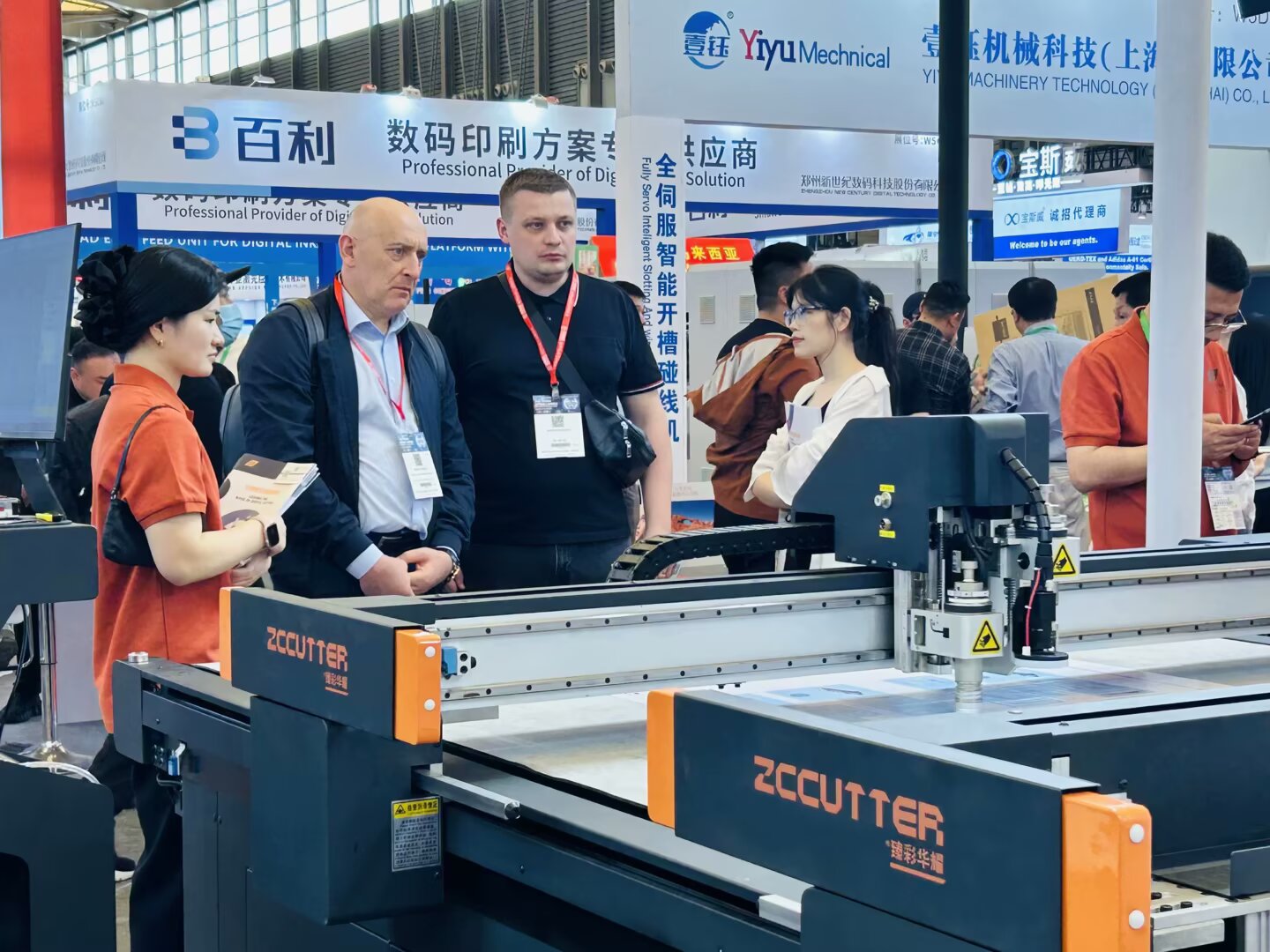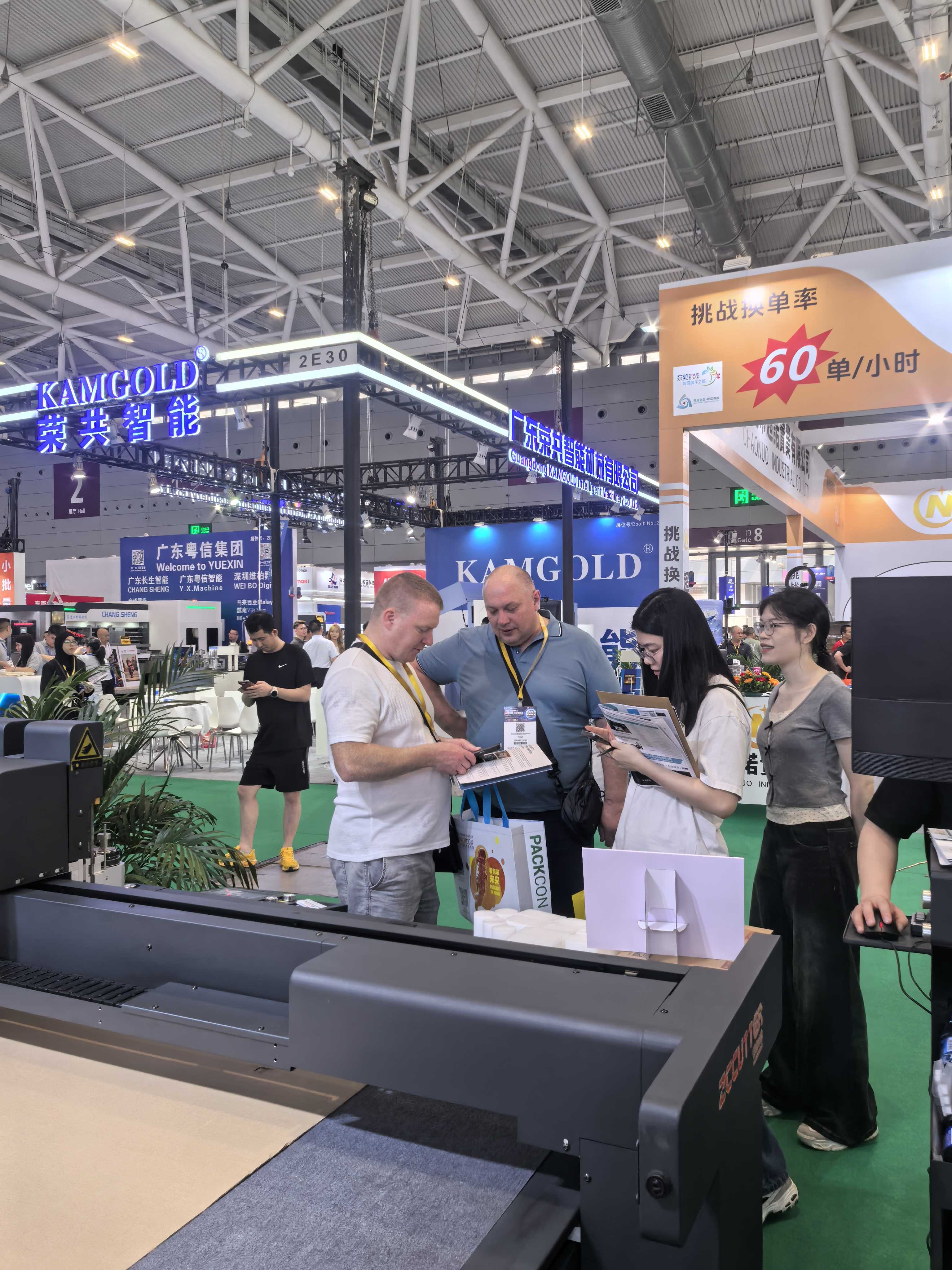
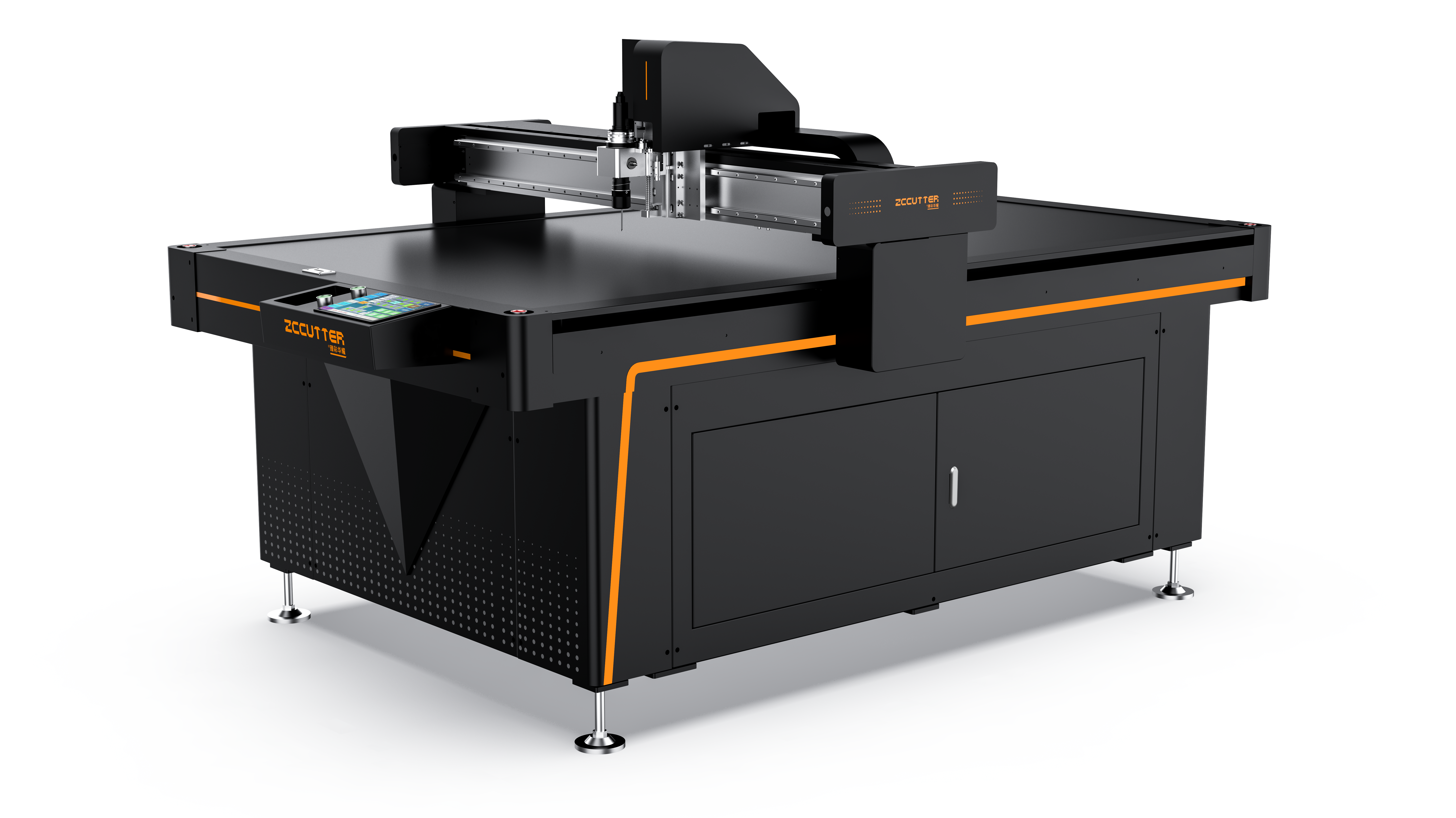
Preface: Why Calculate ROI Before Buying a Cutting Machine
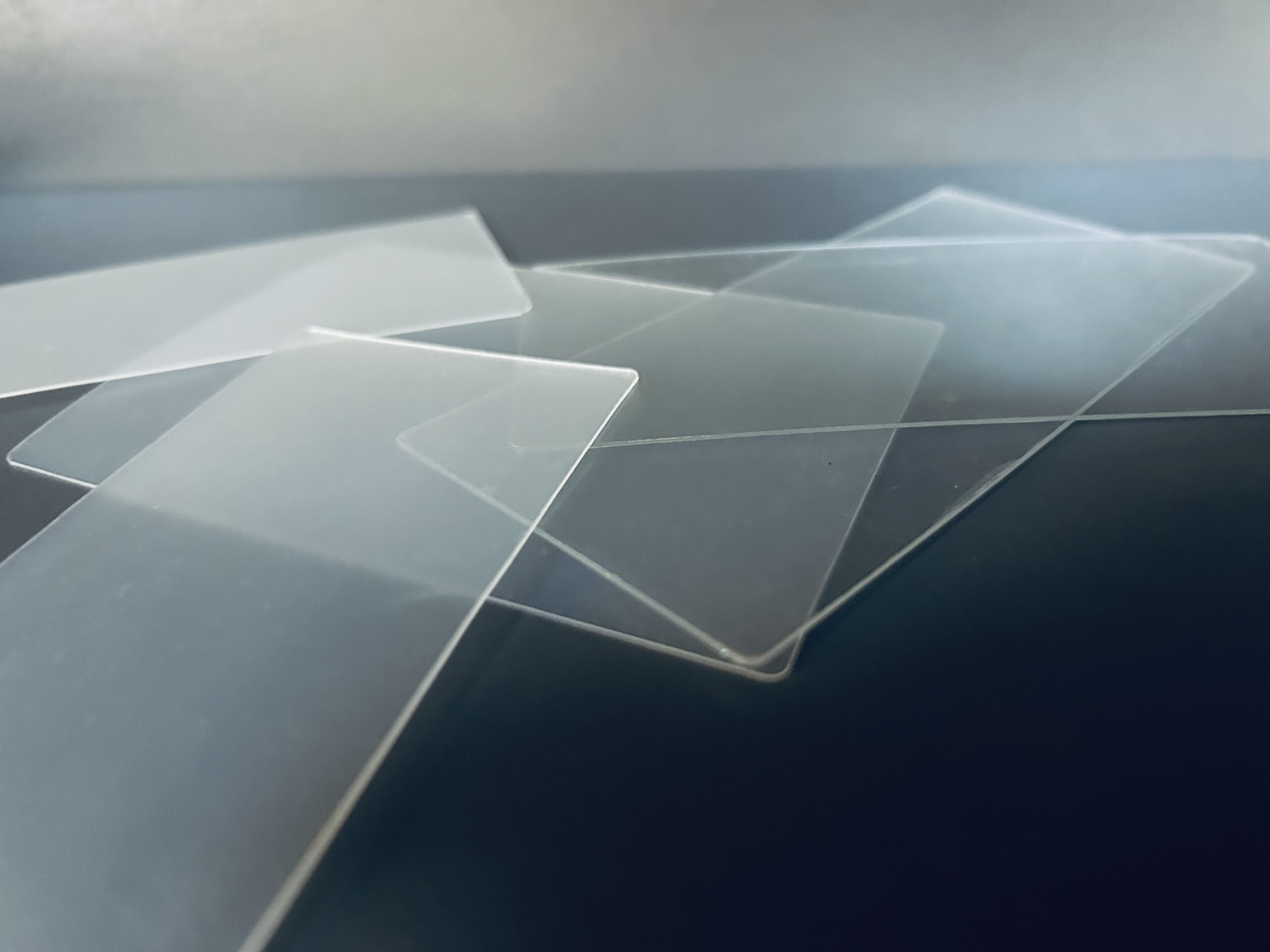 Preface: Why Calculate ROI Before Buying a Cutting Machine
Business owners in die-cutting, electronic materials, and new materials industries often fall into two extremes when purchasing equipment:
- Only looking at unit price: "Buy whichever is cheapest"
- Only looking at specs: "High precision and fast speed means it's good"
But equipment is not a display piece. Once it enters your factory, it takes up space, consumes electricity, uses compressed air, wears out blades, requires labor, and must handle your orders.
The real question to calculate is:
- How much die mold cost can this machine save per year?
- How much can sample revision costs be reduced?
- Can small batch orders be handled in-house?
- How long until the savings cover the purchase investment?
The ZCRA ROI White Paper doesn't brag about products—it teaches you how to calculate. Four worksheets, fill them out one by one.
ZC-FILE-001 | Site Planning Worksheet
Core question: Will the machine disrupt your workshop workflow?
Table 1: ZCRA Static Table Series Footprint (Including Maintenance Access)
| Model | Effective Area | Machine Dimensions (L×W×H) | Weight | Recommended Space |
|---|---|---|---|---|
| ZCRA0606 | 600×600mm | 1600×1200×1300mm | ~350kg | ≥2.4×2.0m |
| ZCRA1410 | 1400×1000mm | 2350×1600×1330mm | ~650kg | ≥3.2×2.4m |
| ZCRA1814 | 1800×1400mm | 2650×2000×1330mm | ~850kg | ≥3.5×2.8m |
| ZCRA2516 | 2500×1600mm | 3460×2160×1330mm | ~1000kg | ≥4.3×3.0m |
Table 2: ZCRA Roller Table Series (Including Material Feeder)
| Model | Effective Area | Machine Dimensions (with feeder) | Weight |
|---|---|---|---|
| ZCRA1410-R | 1400×1000mm | 2700×1900×1450mm | ~750kg |
| ZCRA1814-R | 1800×1400mm | 3100×2300×1480mm | ~950kg |
| ZCRA2516-R | 2500×1600mm | 3800×2400×1550mm | ~1250kg |
Table 3: Site Requirements (Non-compliance Not Recommended)
- Flat, vibration-free floor, load-bearing capacity ≥1500kg/㎡
- Static table 1410 and above: AC380V three-phase industrial power, 4mm²+ 5-core cable
- 0606 model: AC220V single-phase power sufficient
- Air supply: 0.7MPa constant, recommend 7.5KW screw compressor + 1000L air tank (11KW for 2516)
- Reserve ≥0.8m maintenance access around equipment
- Temperature 10-30℃, humidity 40-70%RH
📌 Site planning conclusion: ZCRA0606 can fit in a sample room; 1410 and above require a dedicated workstation. Measure door width, elevator capacity, and floor load-bearing first, then choose the model.
ZC-FILE-002 | Material Test Cutting Worksheet
Core question: If it can't cut your material, it's scrap metal.
Table 1: Compatible Material Matrix (Based on ZCRA Tested Capabilities)
| Material Category | Typical Materials | Recommended Tool |
|---|---|---|
| Precision Electronics | FPC flexible circuits, PET release films, conductive foam, thermal silicone pads, insulating mica, double-sided tape, backlight accessories | Oscillating knife / Ultrasonic knife |
| Paper & Cardboard | Grey board, corrugated board, white card, coated paper | Oscillating knife / Half-cut knife |
| Plastics & Films | PVC board, PET film, PP sheet, acrylic thin plate | Oscillating knife / Ultrasonic knife |
| Textiles & Composites | Chemical fiber fabric, aramid, carbon fiber prepreg, fiberglass cloth | Ultrasonic knife |
| Rubber & Foam | Silicone rubber, sponge, EVA, PU foam, sealing strips | Ultrasonic knife |
| Cross-Industry Compatible | Leather, EVA, EPE foam, frosted film, lightweight composite board, KT board, PVC foam board, PVC thin plate | Oscillating knife / Half-cut knife |
| Automotive Interior | Needle-punched felt, non-woven fabric, composite sound insulation cotton | Ultrasonic knife |
Table 2: Key Process Parameters
- Full-stroke positioning accuracy: ≤±0.05mm (static table) / ≤0.1mm (roller table)
- Single-point repeatability: ≤±0.02mm (static table) / ≤±0.05mm (roller table)
- Comprehensive cutting accuracy: ≤0.1-0.5mm
- Compatible thickness: 0-60mm (standard models); customizable to 150mm (requires test cutting verification)
- Minimum stable hole diameter: thin materials ≥3mm, thick materials ≥3-10mm
- No-load speed: 1800mm/s (1200mm/s for 0606)
Table 3: Test Cutting Acceptance Criteria
| Test Item | Acceptance Criteria |
|---|---|
| 100mm square test | Side length error ≤0.05mm, diagonal error ≤0.1mm |
| Cut quality | No burrs, no crushing, no burnt edges |
| Laminated materials | Half-cut depth controllable, no cutting through bottom layer |
| CCD edge detection (optional) | Print mark compensation ≤0.1mm |
⚠️ Red line: Don't use customer brochures to claim "can cut anything." Send samples for test cutting, get a report, then discuss procurement.
ZC-FILE-002B | Application Boundaries & Customization Capabilities
Core question: Which scenarios shouldn't use ZCRA? Which can be solved through customization?
1. High-Volume Orders (Over 3000 Pieces Per Design)
Reason: The fixed cost of die molds is fully amortized in high-volume production, making per-piece cost far lower than digital cutting.
| Batch Size | Recommended Solution | Reason |
|---|---|---|
| 1-500 pieces | ZCRA digital cutting | No mold, zero fixed cost |
| 500-3000 pieces | Depends on material complexity and revision frequency | Requires comprehensive evaluation |
| 3000+ pieces | Traditional die mold | Mold cost amortized, lower per-piece cost |
📌 ZCRA's core value is "flexibility," not "volume." High-volume orders go to die molds—each calculates its own ROI.
2. Ultra-Thick Materials (Standard Models Adapt to 0-60mm)
Customization capability:
- We can customize 0-150mm cutting thickness, but must evaluate based on specific material hardness, density, and structure
- Not all materials can be cut to 150mm; test cutting verification required before confirmation
⚠️ Red line: Don't promise "all materials can be cut to 150mm." Custom solutions must be based on tested data.
3. Special Coatings, Composites, or Unknown Materials — Where Ultrasonic Solutions Excel
Why standard oscillating knives might not work:
- Chemical fiber fabric, aramid, carbon fiber: Oscillating knives cause fiber pulling, fraying, and delamination
- Silicone rubber, thermal silicone, foam: Oscillating knives cause deformation and sticking
- TPU medical dressings, multi-layer composites: Require half-cut precision control at 0.002mm level without damaging bottom layer
ZCRA's solution: Ultrasonic knife module
The ultrasonic knife vibrates at 34,300 times/second high frequency, cutting and sealing edges simultaneously, achieving:
- No fraying for chemical fibers, no deformation for silicone, no delamination for composites
- Half-cut precision up to 0.002mm, no damage to TPU layer
- One machine, oscillating knife + ultrasonic knife interchangeable in 30 seconds
Verified special material cases:
| Customer Industry | Material | Equipment Solution | Verification Result |
|---|---|---|---|
| Medical Dressings | Collagen composite fiber dressing film (PP non-woven + TPU 0.015-0.025mm + Glassine paper) | ZCRA0906-TPU customized, ultrasonic knife + heating drill | Full/half-cut precision meets standards, half-cut TPU damage rate ≤1%, heating drill temperature ±1℃ |
| 3C/Server | Thermal pads, ultra-soft PI film, silicone oil thermal pads, fiberglass 0.5-5mm | ZCRA1410-ESD customized, ESD-safe table + MES integration | Cutting precision ±0.2mm, ESD friction voltage <100V |
| Leading Foam Company | Foam (multiple revisions, different thickness/hardness/adhesive) | ZCRA standard + ultrasonic knife (optional) | 6 sample runs with zero mold cost, ultimately placed order |
📌 Our rule: Don't make promises for materials we haven't cut. If we have, let the report speak. Special materials require sample test cutting first, issue ZC-FILE-002 test report, confirm feasibility before discussing procurement.
ZC-FILE-003 | Production Capacity Worksheet
Core question: How much can you actually produce per day? Not no-load speed, but effective working hours.
1. Production Capacity Calculation Principles
ZCRA's production capacity is not calculated by theoretical no-load speed, but by actual customer file testing:
Calculation process:
- Customer provides CAD/DXF/AI files
- Confirm material form (sheet or roll)
- Nest according to material width, calculate pieces per nest
- Measure processing time within effective cutting area
- Calculate daily capacity reference based on 8 hours/day
2. Production Capacity Characteristics by Business Model
| Business Type | Daily Effective Hours | Characteristics |
|---|---|---|
| R&D sampling (multiple design switches) | 4-5 hours | Few pieces per design, frequent changeovers |
| Small batch production (100-500 pieces/order) | 6-7 hours | High nesting utilization, continuous cutting |
| Continuous cutting (roller table + roll material) | 7-8 hours | Automatic feeding, can run 24 hours unattended |
3. About Operators
ZCRA uses Sino-Swiss closed-loop CNC system, file import and cut. Operation is standardized: loading → alignment → start. New employees can operate independently after 30 minutes of training. Production capacity differences mainly come from nesting preparation and material switching efficiency, not the cutting execution itself.
📌 For precise production capacity data, please provide typical processing files, we'll issue a free ZC-FILE-003 actual capacity report.
ZC-FILE-004 | ROI Calculation Worksheet
Core question: How long until this machine "earns back itself"? — Only calculate, don't promise shortest payback.
1. Cost Structure Breakdown (Using ZCRA1410 Static Table as Example)
One-time investment:
- Equipment purchase price (calculated based on end-user factory direct customer tax-inclusive price)
- Logistics transportation (domestic: 2600 RMB/unit for provinces outside, 1200 RMB/unit for Pearl River Delta; Europe/Americas based on freight forwarder quotes)
- Installation, debugging, first training (included in factory)
- Air compressor, air tank, cold dryer support (if new addition needed)
Annual operating costs:
- Electricity: Full load 6.5KW × actual working hours × local electricity price
- Blade consumables: Accrued based on material hardness and blade change frequency
- Vacuum pump maintenance, air source filtration
- Labor: 1 person can handle loading/unloading + nesting
2. Revenue Sources (Three Sources of Money)
| Revenue Item | Description |
|---|---|
| ① Die mold cost savings | Sampling/revision without mold opening, accumulated by instance |
| ② Machine setup cost savings | No repeated machine adjustment, file-based cutting |
| ③ Small batch production self-fulfillment | 24-hour operation possible, urgent orders not outsourced |
3. Core Variable: Revision Frequency
There's an overlooked cost black hole in the new materials industry — revisions.
Brand owners continuously adjust material thickness, hardness, and precision. Die-cutting processors are forced to follow. Revising a dozen designs per month is normal rhythm. Each revision with traditional methods means a new die mold.
Traditional method: 1 sample = N revisions = N die mold costs + N setup costs
Digital method: 1 sample = N revisions = N file re-cuts = cost approaches zero
4. Example Calculation (Assumptions Transparently Labeled)
Assumptions:
- Customer type: Medium-sized die-cutting processor, serving 3 brand owners
- Monthly new product development: 15 designs
- Average revisions per design: 4 times (industry medium-high)
- Traditional method single revision cost: Die mold 800 RMB + setup 2500 RMB = 3300 RMB (industry public range)
- Digital method single revision cost: Electricity + blade wear ≈ 10 RMB
Monthly savings (revision only):
15 designs × 4 times × 3300 RMB = 198,000 RMB
Annual savings (based on 10 months effective production): ≈ 1.98 million RMB
Above is full production assumption. Actual varies with order structure and revision frequency. Low-frequency sampling customers need separate modeling.
5. Conservative Scenario Calculation
| Scenario | Monthly Revisions | Annual Savings | Description |
|---|---|---|---|
| High-frequency revision | 60 times (15 designs × 4 times) | 1.98 million | Brand owners frequently adjust parameters |
| Medium-frequency revision | 30 times (10 designs × 3 times) | 990,000 | Normal sampling rhythm |
| Low-frequency revision | 15 times (5 designs × 3 times) | 495,000 | Needs comprehensive evaluation with small batch production revenue |
📌 Payback judgment: Don't promise shortest cycle. Substitute actual equipment purchase price into "total investment ÷ annual net savings," and label assumptions. ROI calculation is for customer evaluation of returns, not as a bargaining basis.
Real Case (Anonymized)
Six Sample Runs in Showroom, Zero Mold Cost Completed All Testing
A leading Shenzhen foam company, under the guise of testing equipment, sent 6 different batches of new materials to our showroom. Each time, the material had adjustments in thickness, hardness, and adhesive type.
Traditional method: Would require 6 die molds, cost about 20,000 RMB, cycle 3-4 weeks
ZCRA method: Each time, modify file and cut directly on machine, zero mold cost, samples produced on-site
Ultimately, this customer placed an order. Not because our equipment was cheap, but because they saw with their own eyes that "revision cost going to zero" was real.
Conclusion: Why We Dare to Let You Calculate Before Ordering
Customers buy equipment to make money. Calculating first is right.
But what exactly is the cost of a cutting machine? We've calculated our own accounts:
R&D cost: Delta servo, Hiwin guide rails, Sino-Swiss closed-loop system, 20 million 4-point CCD, dual closed-loop Z-axis depth control, AI1500 material process library — these configurations are not about piling on materials, but about making equipment have fewer failures, less downtime, and fewer blade changes in customers' hands. The higher the R&D investment, the lower the customer's usage cost.
Production cost: Zinc alloy aviation board platform, fiber felt table surface, 7.5KW zoned negative pressure system — every component selection is based on "durable, stable, maintainable" standards. We don't pursue "cheapest," we pursue "usable long-term."