Case Overview
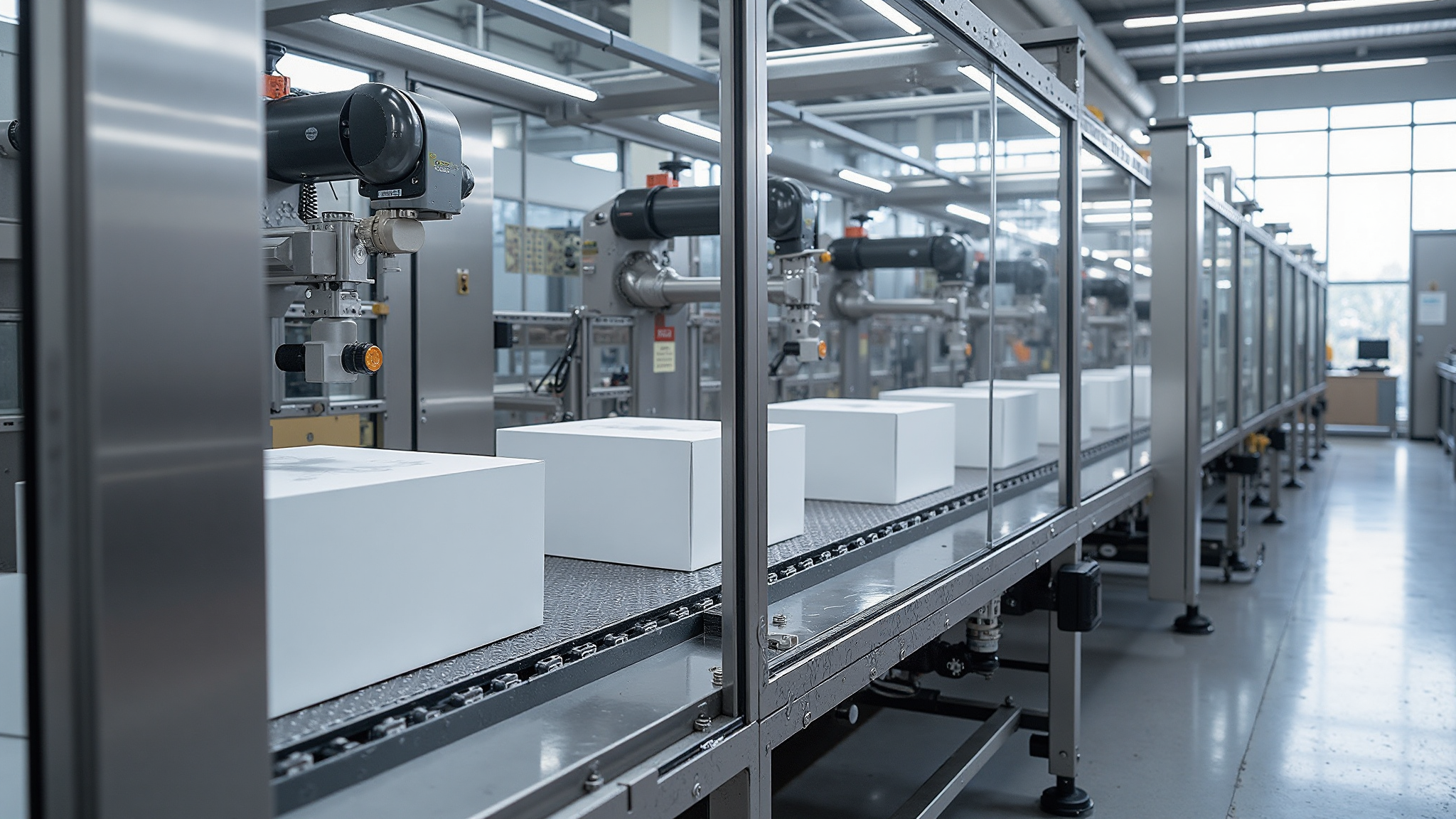
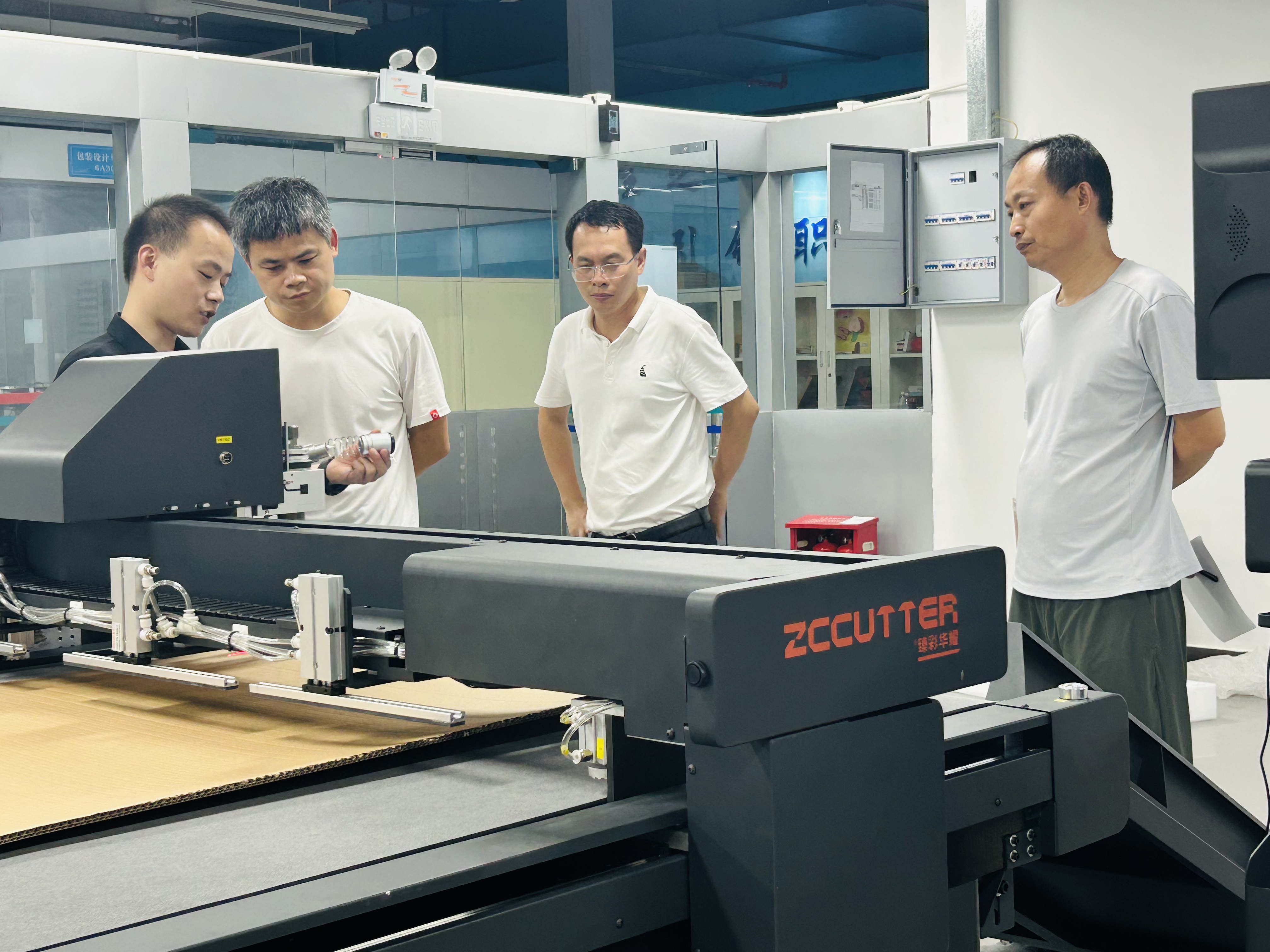
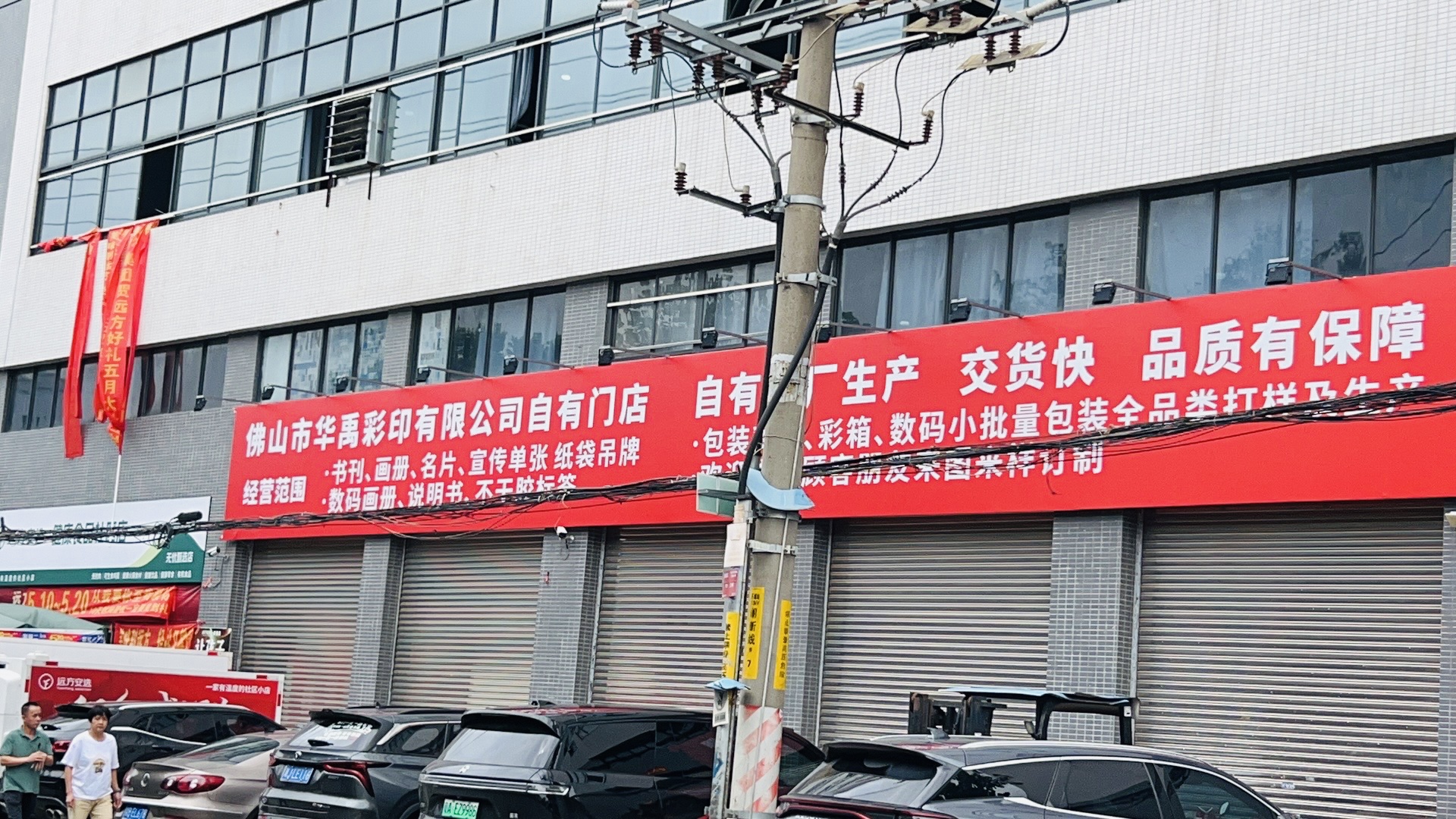
Guangdong Wuyou Print Co., Ltd. stands as one of the most accomplished practitioners of the ZCCUTTER inkjet-cutting inline solution in southern China. Facing surging demand for short-run, highly customized packaging across food, cosmetics, electronics, and pharmaceutical sectors, Wuyou Print built a digital factory from the ground up — anchored by ZCCUTTER's ultra-wide digital cutting systems — to deliver full-category small-batch packaging with turnaround times measured in hours rather than days.
The facility in Guangdong province has become a benchmark for how traditional print shops can transition into agile digital manufacturing hubs, serving brands that require rapid iteration, versioning, and regional customization without the cost penalties of conventional die-cutting workflows.
Core Capabilities
Full-Category Small-Batch Coverage
Wuyou Print's production line handles an exceptionally broad material portfolio — from corrugated board and kraft paper to synthetic substrates and laminated films. The inkjet-cutting inline configuration means each sheet is printed and precision-cut in a single continuous pass, eliminating the registration drift and handling delays inherent in offline die-cutting. This capability allows the factory to accept orders as small as 50 units while maintaining unit economics that make short runs profitable.
Inkjet-Cutting Inline Architecture
The inline solution couples high-resolution inkjet printing heads directly with ZCCUTTER's oscillating knife digital cutting module. Variable data — including serial numbers, QR codes, batch identifiers, and personalized graphics — flows seamlessly from the RIP software into both the print and cut layers, ensuring every piece in a run can be unique without slowing throughput. The system achieves cutting tolerances of ±0.1mm at production speeds, meeting the exacting standards required by premium brand packaging.
Nationwide Deployment Footprint
Wuyou Print's success with the ZCCUTTER platform has driven rapid expansion. Nearly 60 ZCCUTTER units are now installed across the country in Wuyou's satellite production nodes, creating a distributed manufacturing network that places digital cutting capacity within same-day delivery range of major economic zones. This hub-and-spoke model is reshaping how brands think about packaging supply chains — from centralized bulk production to regionalized on-demand fulfillment.
Equipment Configuration
The Guangdong flagship facility houses multiple ZCCUTTER ultra-wide digital cutting systems, headlined by the 2500×1600mm format model — the widest in the ZCCUTTER lineup. This machine handles full-sheet packaging blanks without panel segmentation, enabling uninterrupted print-to-cut workflows on the largest standard substrate sizes used in the industry.
Complementing the flagship are several mid-format ZCCUTTER units configured for specialized materials and faster turnaround on smaller formats. The mixed fleet allows Wuyou Print to route jobs by material type, thickness, and urgency — optimizing both equipment utilization and energy consumption across the factory floor.
Case Data Card
| Item | Detail |
|---|---|
| Industry | Commercial packaging & print services |
| Materials processed | Corrugated board, kraft paper, art paper, synthetic film, laminated substrates |
| Thickness range | 0.3 mm – 12 mm |
| Key pain point | High SKU count, short runs (50–500 pcs), frequent changeovers, die-cost burden |
| Solution deployed | ZCCUTTER inkjet-cutting inline — print + cut in single pass, no dies |
| Delivery improvement | Order-to-ship reduced from 5–7 days to under 24 hours for standard runs |
| Cost reduction | Eliminated all die-making costs; per-unit cost down 35–60% on runs under 500 pcs |
| Defect rate | < 0.3% — inline registration eliminates print-cut misalignment |
Frequently Asked Questions
What makes the inkjet-cutting inline approach fundamentally different from traditional print-then-die-cut workflows?
In a conventional setup, printed sheets must be transported to a separate die-cutting station, physically registered against a steel rule die, and cut. Each changeover requires a new die — costing hundreds of dollars and hours of downtime. The inline approach eliminates the die entirely: the cutting path is driven by the same digital file that controls the print, so switching from one packaging design to another takes seconds of file loading rather than hours of mechanical setup. For short runs, this collapses the economic barrier that made small-batch packaging prohibitively expensive.
How does Wuyou Print manage quality control across nearly 60 distributed production nodes?
Each ZCCUTTER unit is networked to a centralized production management platform that monitors cutting accuracy, ink density, and throughput in real time. Standardized calibration profiles ensure that a package produced at any satellite node matches the color and dimensional specifications of the same job run at the flagship facility. This consistency is what allows national brands to trust the distributed model for region-specific packaging variants.
Can the system handle specialty finishing effects such as embossing or foil stamping?
The current inline configuration focuses on printing and precision cutting as the core value proposition. Specialty finishing operations like embossing, foil stamping, or spot UV are handled as secondary offline processes where needed. However, the digital-first philosophy of the ZCCUTTER platform means that as new finishing modules become available, they can be integrated into the workflow without replacing the core cutting infrastructure.
What is the typical return on investment timeline for a print shop adopting this solution?
Based on Wuyou Print's operational data, shops that transition a meaningful portion of their short-run work to the inkjet-cutting inline model typically recover the equipment investment within 12 to 18 months. The primary savings come from eliminated die costs (which can represent 15–25% of per-order expense on short runs), reduced labor for changeovers, and the ability to capture higher-margin work that competitors cannot profitably fulfill with conventional equipment.