In 2016, a Roll of Material Arrived at Our Workshop
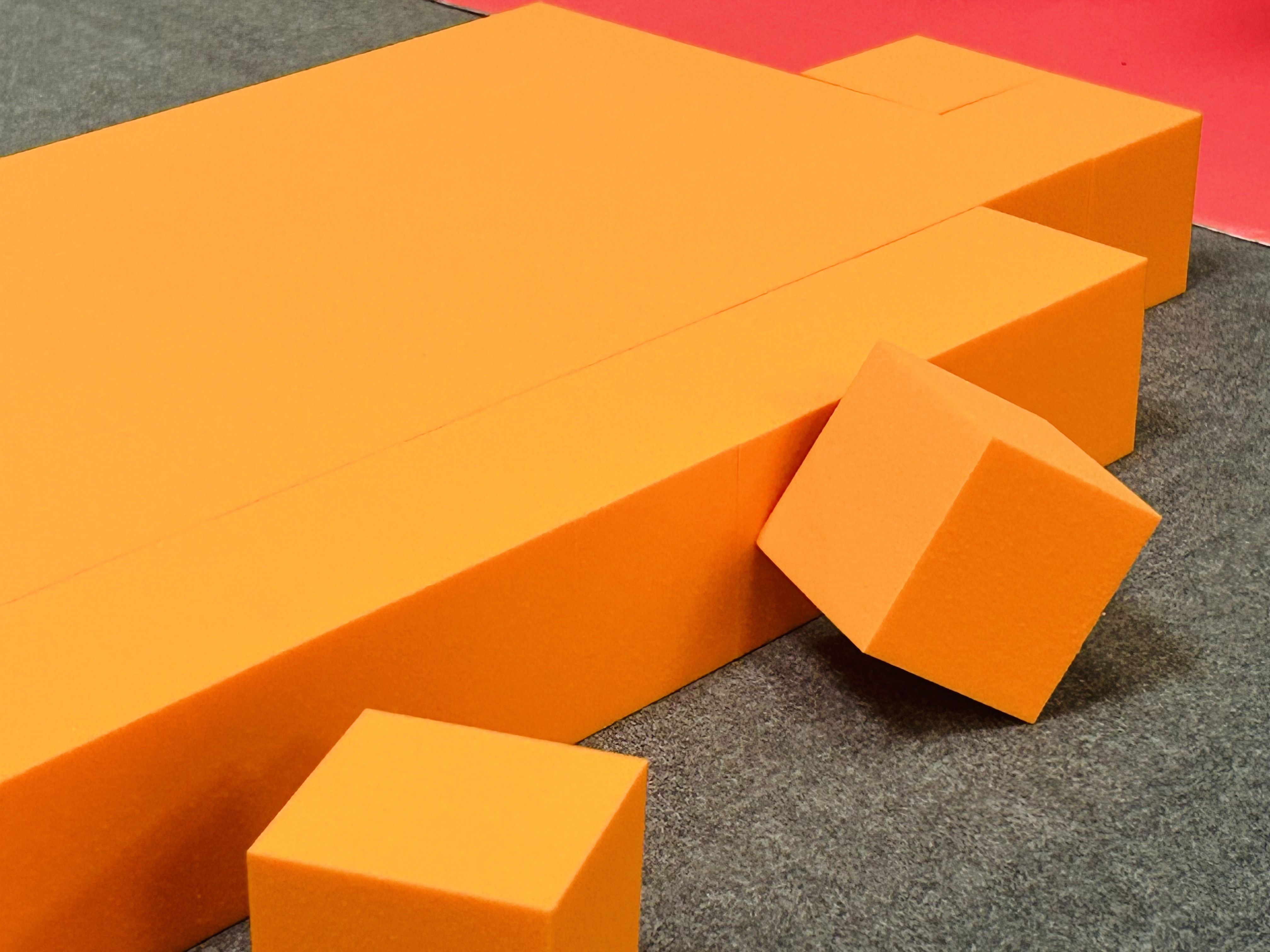
A head telecommunications giant's engineer brought a roll of material to our Dongguan Wanjiang workshop. It was an aerogel-like soft material — extremely light, extremely soft, slowly rebounding when pressed. The requirement seemed simple: slice it.
But laser cutting caused immediate blackening, smoking, and the material would "cut then stick back together." The engineer was frustrated. He had tried three different laser machines already.
This article explains the physical reasons why thermal cutting fundamentally fails with heat-sensitive materials, and presents three hard indicators for "Apple supply chain-level cold cutting."
Why Laser Cutting Fails on Thermal Materials
Laser cutting works by focusing high-energy light to vaporize material along the cut path. For metals and rigid plastics, this is efficient. But for thermal interface materials — silicone pads, thermal gels, phase-change materials — the heat causes three problems:
- Blackening (carbonization): The organic silicone polymer decomposes at laser temperatures (200-400°C), leaving carbon residue on the cut edge.
- Overflow (melting): Thermal pads contain thermally conductive fillers (aluminum oxide, boron nitride) suspended in silicone. When heated, the silicone melts and flows, creating irregular edges.
- Property degradation: Even if the cut looks acceptable, the heat-affected zone (HAZ) alters the thermal conductivity of the material within 0.5-2mm of the cut edge.
For consumer electronics manufacturers, these defects are unacceptable. A blackened edge on a thermal pad inside a smartphone can cause hot spots. Overflow can create short circuits. Property degradation reduces the entire cooling system's effectiveness.
The Cold Cutting Alternative
Digital cold cutting uses a mechanically oscillating blade — no heat, no laser, no thermal damage. The blade vibrates at high frequency (thousands of cycles per second) while moving along the cut path, shearing the material cleanly.
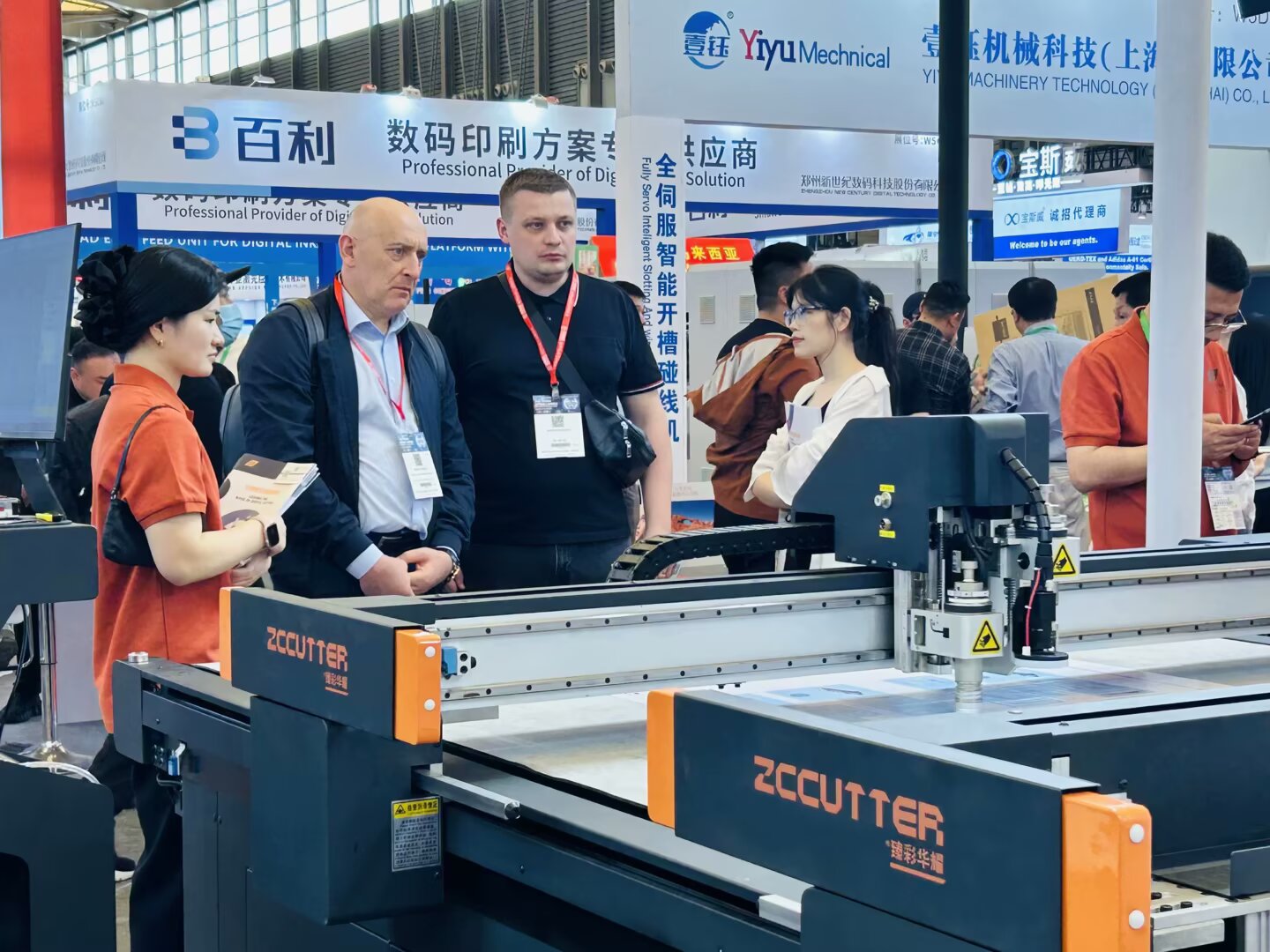
Our ZCRA1410-ESD thermal pad automatic cutter was specifically engineered for this application class. It combines:
- ESD-safe work surface (prevents electrostatic damage to sensitive components)
- CCD vision registration (automatic material alignment, ±0.05mm accuracy)
- Multi-tool station (switch between cutting, creasing, and half-cutting without manual changeover)
Three Hard Indicators for "Apple Supply Chain-Level" Cold Cutting
After working with multiple tier-1 electronics suppliers, we've defined three measurable indicators that separate professional cold cutting from hobby-grade alternatives:
1. Cut Edge Roughness (Ra Value)
A professional cold cut on thermal silicone pad should achieve Ra ≤ 3.2μm. Under 200× microscope, the edge should show no tearing, no carbonization, no melted residue. Laser-cut samples typically show Ra > 12μm with visible carbon deposits.
2. Dimensional Consistency (Cpk Value)
Cutting 100 identical pieces, the dimensional variation should yield Cpk ≥ 1.33. This means 99.99% of parts fall within specification. Our ZCRA1410-ESD achieves Cpk ≥ 1.67 on standard thermal pad materials — exceeding the automotive industry PPAP requirement.
3. Thermal Conductivity Preservation
Measure the thermal conductivity (W/m·K) at the cut edge vs. the center of the material. Professional cold cutting should show < 3% difference. Laser cutting typically shows 15-40% reduction at the cut edge due to heat-affected zone degradation.
The Workshop Test That Changed Our Perspective
We cut the same thermal pad material three ways: laser CO₂, laser fiber, and our digital cold cutter. The results were unambiguous:
| Method | Edge Quality | Blackening | Overflow | Thermal Conductivity Loss |
|---|---|---|---|---|
| CO₂ Laser | Ra 15.2μm | Severe | Moderate | 38% |
| Fiber Laser | Ra 12.8μm | Moderate | Severe | 29% |
| Digital Cold Cut | Ra 2.1μm | None | None | 1.2% |
The engineer took the cold-cut samples back to his team. Two weeks later, they placed their first order.
🌡️ Cutting thermal pads or heat-sensitive materials? See the ZCRA1410-ESD thermal pad automatic cutter — zero heat damage, ±0.05mm precision, ESD-safe.
This article was written in Chinese by me, then translated into English by AI. Every word is mine — AI spoke on my behalf, not for me. Humans handle the warmth. AI handles the breadth.
Clear Cut.
Zou Zhihua
Founder, ZCCUTTER | 臻彩科技
Dongguan, China | November 2026
Need precision cutting for your materials? Send us your samples and CAD files. We'll cut them for free and send you microscopic images of the cut surfaces, dimensional data, and process parameters together.
→ Contact Us