A Polish Customer's Question
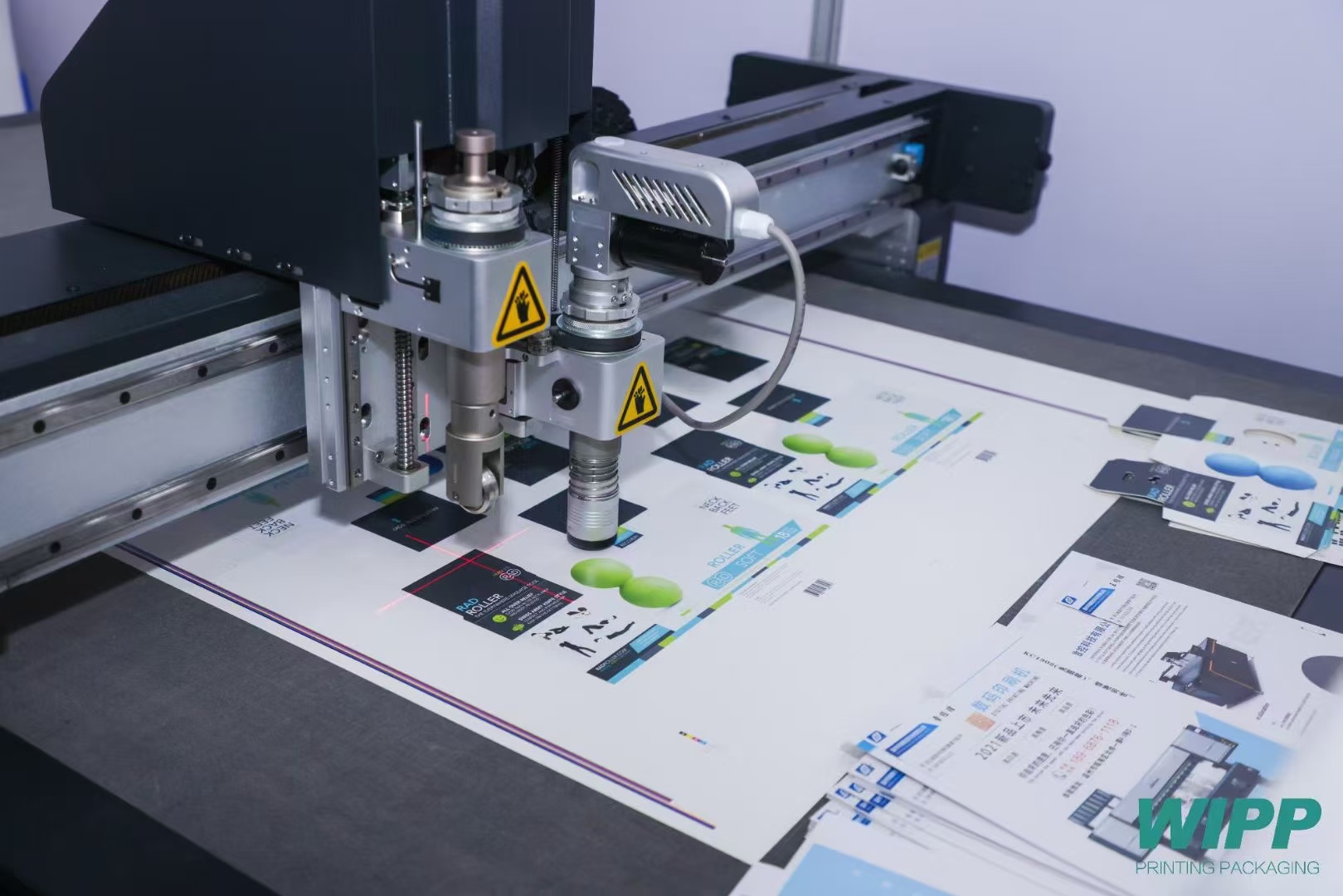
A customer from Poland contacted us recently. He needed to process honeycomb cardboard panels with a cutting depth of up to 300mm, plus milling and V-cut capabilities. He had already found four suppliers, all offering machines with a 300mm working height. "These machines look very similar," he wrote. "They all seem like the right choice."
Then he asked us: You only go up to 150mm, and you emphasize that this thickness is only for EPE and sponge-type materials. Why can those four suppliers do 300mm and you cannot?
This question deserves an honest answer.
Why No Oscillating Knife Cutter Reaches 300mm
Let us start with facts.
| Brand | Maximum Cutting Thickness |
|---|---|
| Zünd | 110mm |
| Kongsberg (Esko) | 70mm |
| Lectra / Gerber | 72mm |
| ZCCUTTER | 150mm (foam/EPE); 60mm (honeycomb) |
These brands have collectively built cutting equipment for over a century. If a 300mm oscillating knife cutter were physically feasible, they would have built it already.
Why have they not? Because the laws of physics do not allow it.
An oscillating knife is a thin blade that cuts by reciprocating up and down thousands of times per minute. The deeper the blade penetrates, the greater the lateral resistance it encounters. Beyond 150mm, the blade begins to deflect, the cut edge becomes rough, and the blade itself is prone to fracture.
This is not a technical limitation. It is a fundamental principle of materials mechanics. Every serious oscillating knife cutter manufacturer limits working height to within 150mm. This is not a compromise — it is honesty.
So What Is a "300mm Machine"?
The answer: it is a CNC router, not a digital cutting machine.
CNC routers and oscillating knife cutters are fundamentally different machines:
| Oscillating Knife Cutter | CNC Router | |
|---|---|---|
| Core Function | Cut | Mill / Carve |
| Speed | Fast (up to 1m/s with high-frequency oscillation) | Slow (typically 0.1–0.3m/s with rotating spindle) |
| Materials | Flexible: cardboard, foam, leather, composites | Rigid: wood, acrylic, aluminum, plastic |
| Thickness Range | Honeycomb 0–60mm; Foam/EPE 0–150mm | 300mm and beyond |
| Cost Structure | Moderate; single machine handles production efficiently | Single unit affordable but low throughput; multi-spindle (1-to-4, 1-to-8) needed for volume, cost escalates sharply |
A CNC router with a 300mm Z-axis stroke and a vacuum table looks remarkably similar to a digital cutting machine from the outside. This is why many customers are misled.
But when you use it to cut honeycomb cardboard, the problems emerge immediately:
- The high-speed rotating spindle tears the honeycomb walls rather than slicing them cleanly.
- Paper dust fills every cell, clogging the tool and the vacuum system.
- The spindle's downward pressure crushes the surface honeycomb structure.
- The cut edge looks chewed, not cut.
The machine is not bad. It is being used in the wrong application.
Different Materials Have Different Reasonable Cutting Thicknesses
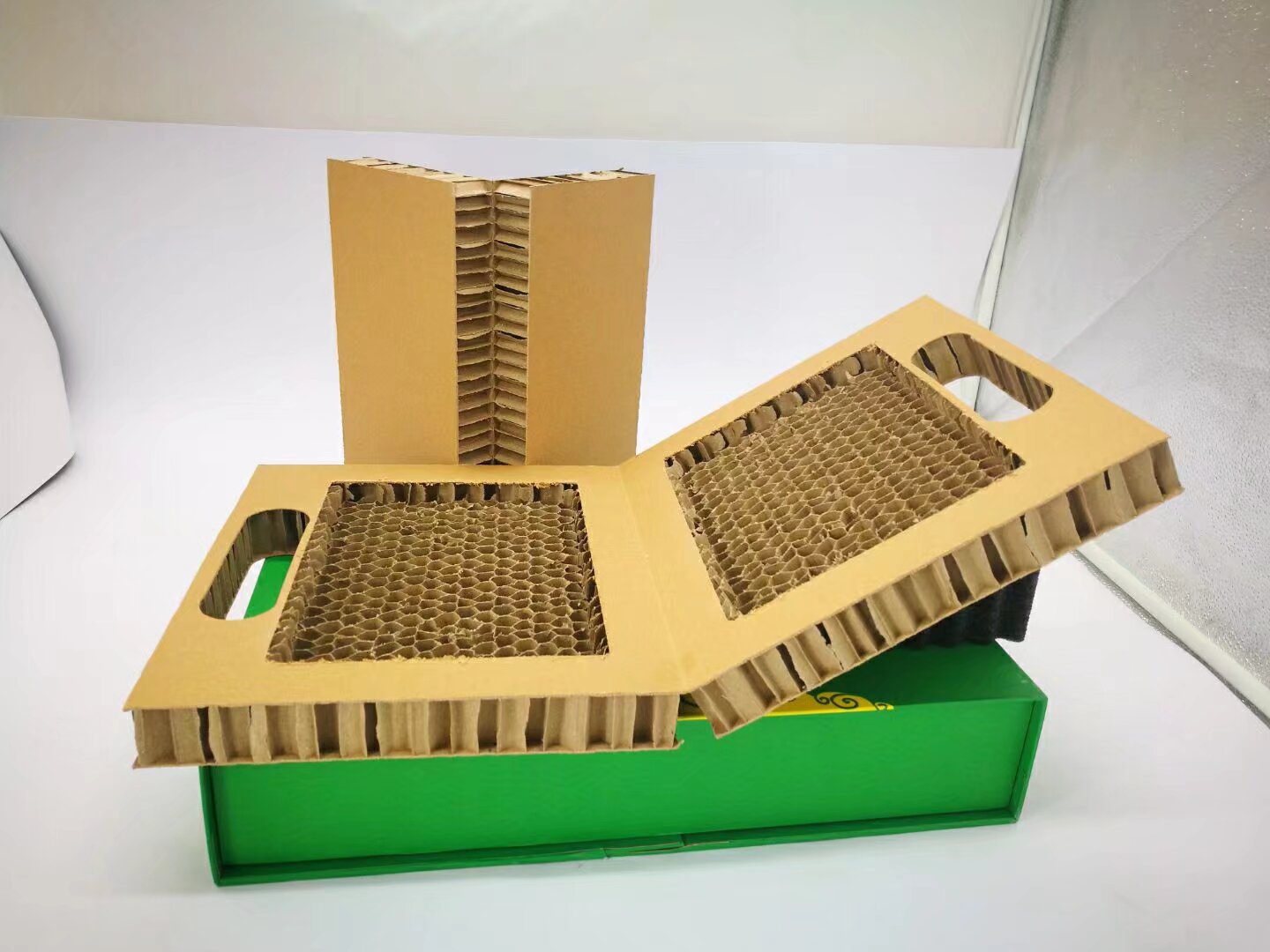
Honeycomb Cardboard: 0–60mm
Paper honeycomb is a brittle, cell-wall structure. Standard honeycomb panel production lines output boards in the 0–60mm range. Within this range, an oscillating knife cuts cleanly. Beyond 60mm, when multiple layers are laminated together, the oscillating knife shatters the structure — the industry uses wire saws or CNC milling for those thicknesses.
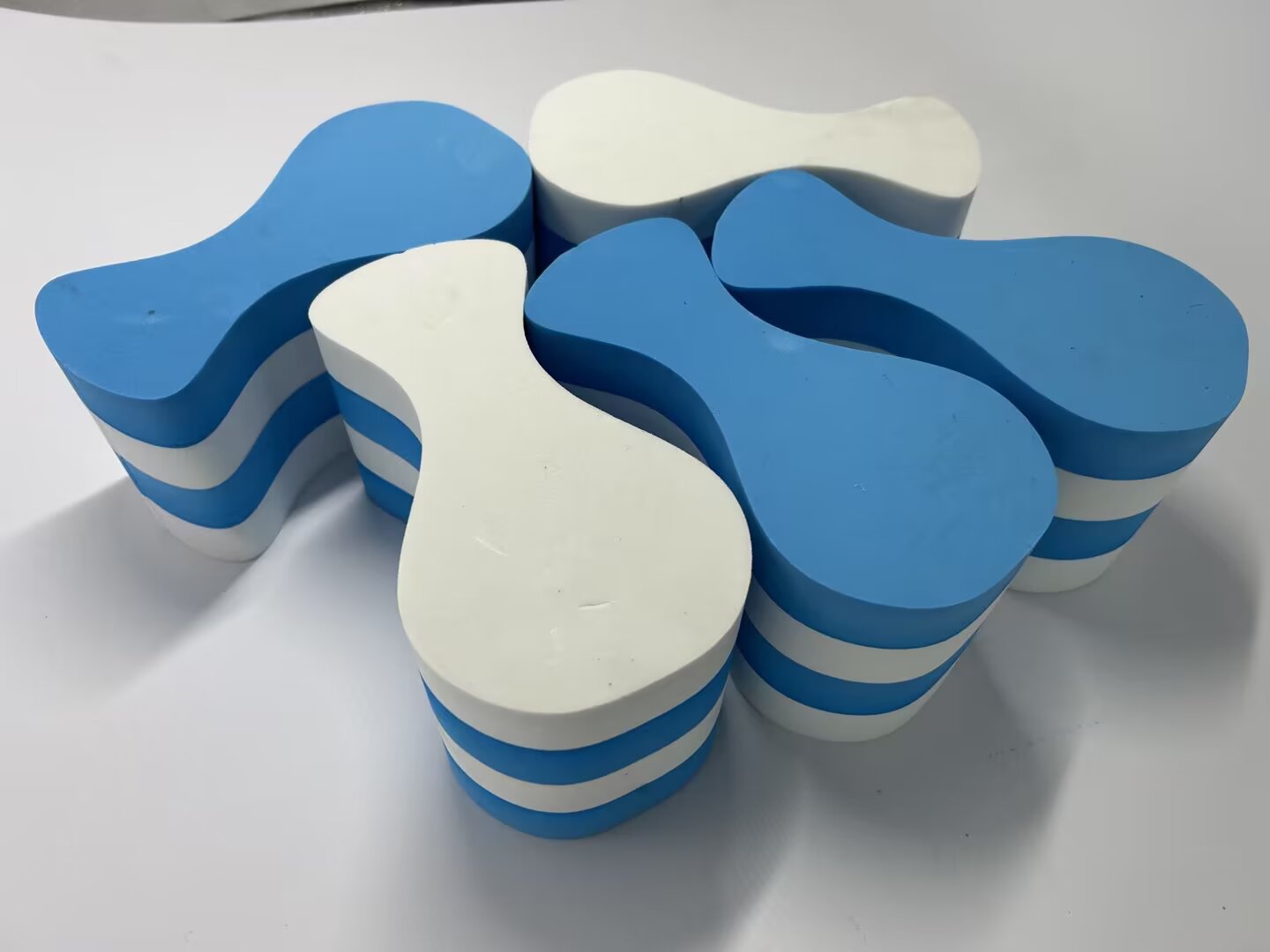
Sponge / EPE Foam: 0–150mm
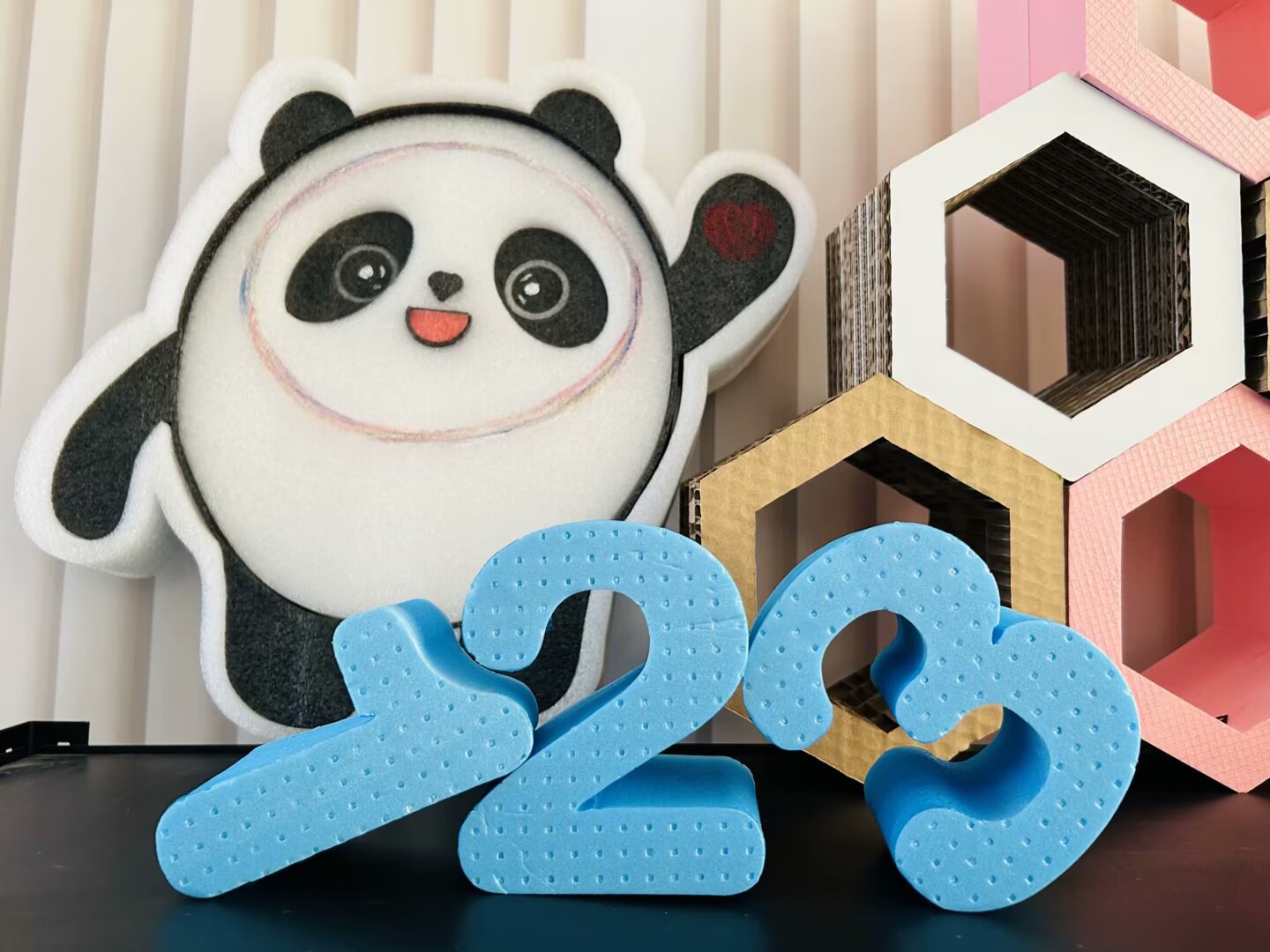
Foamed elastic materials are tough and compressible. An oscillating knife handles them cleanly up to 150mm. This is ZCCUTTER's primary range.
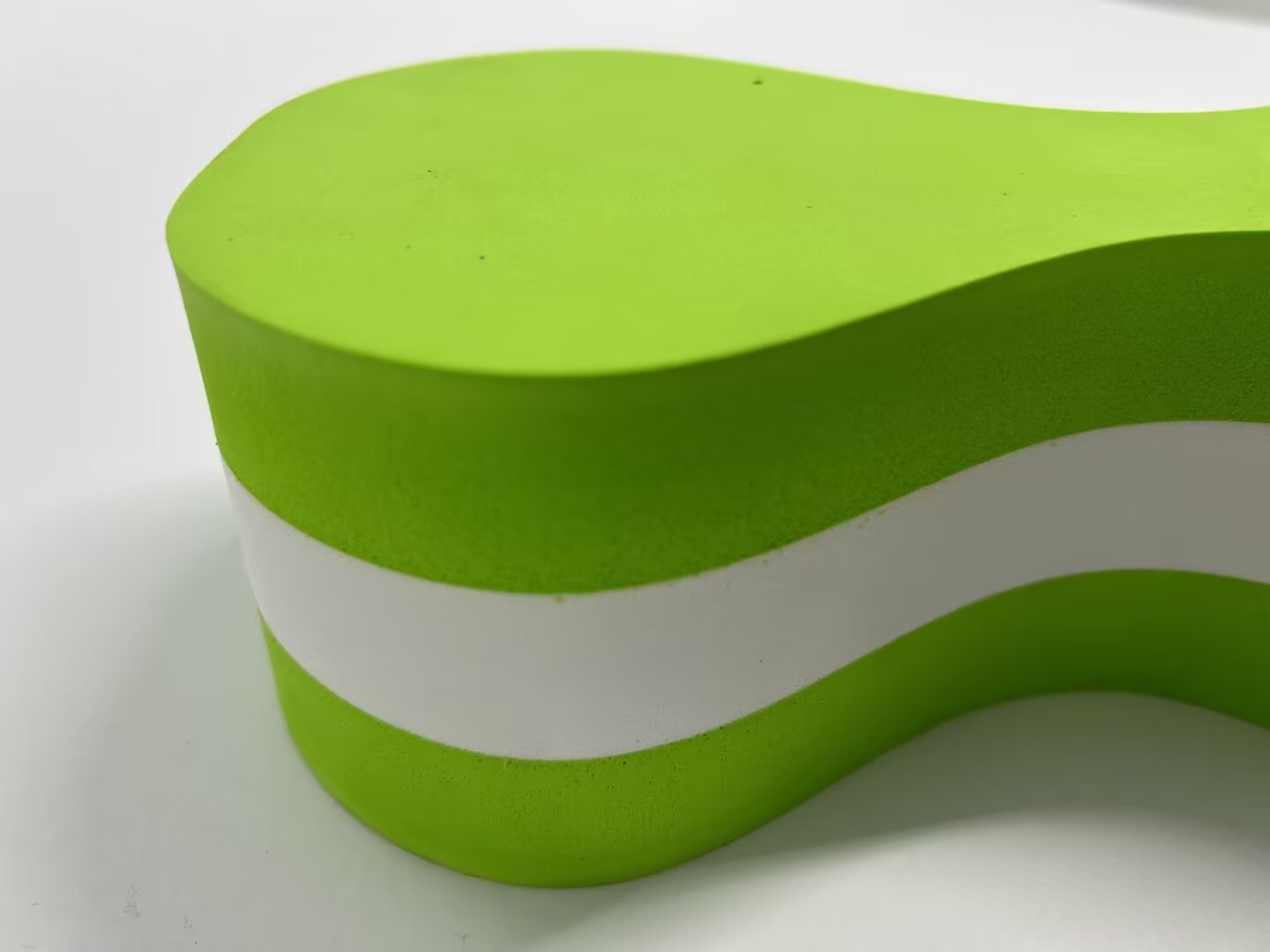
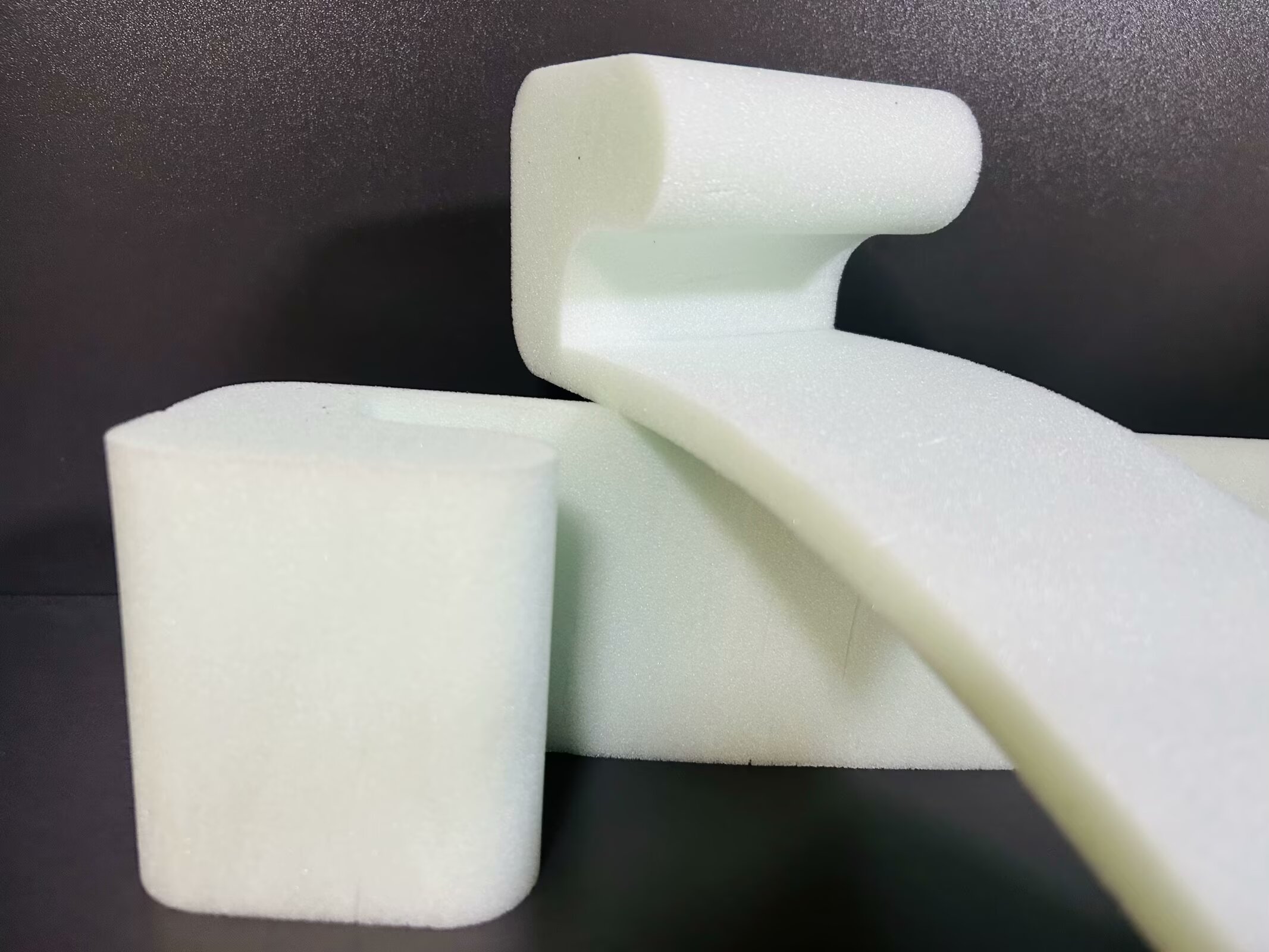
So when you hear a "digital cutting machine" claim 300mm capability, the first question to ask is: what material are you cutting?
- If it is honeycomb cardboard, 300mm is not an oscillating knife problem.
- If it is foam, 150mm is already the reasonable upper limit for oscillating knife. 300mm exceeds the physical limit of the technology.
Beyond the reasonable range for a given material, you should switch tools — wire saw, CNC milling, or another process. No single machine eats all materials.
About Milling: An Honest Supplement
Semi-hollow milling on honeycomb cardboard — for example, milling a 50mm-deep groove into a 100mm-thick board — is a recognized industry challenge.
We have tested it. The approach: use the oscillating knife for a half-depth perimeter cut, then use a spindle to mill the interior. The result was not satisfactory. When the milling bit hits the honeycomb core, the paper cells are not cut — they are grabbed, twisted, and torn. Edges are ragged. Paper debris flies everywhere.
The suppliers the Polish customer found were demonstrating with high-speed electric spindles (24,000+ RPM). Theoretically, if we installed a higher-speed, higher-torque spindle, the results could improve.
But we did not do this. The reason is simple:
A machine capable of milling honeycomb with a high-speed spindle is, by definition, no longer a digital cutting machine — it is a CNC router. Its cost would double. Its footprint would grow. Its energy consumption would rise. And its ability to cut flexible materials would not improve as a result.
We do not want to build a machine that "does everything, masters nothing."
So we say honestly: for honeycomb milling, there is currently no low-cost, high-reliability mature solution in the industry. If you need this process, a high-speed CNC router is an option — but the price is higher acquisition cost and a worse flexible-material cutting experience.
If you only need clean through-cuts and V-grooves on 0–60mm honeycomb, an oscillating knife handles it perfectly.
What ZCRC Actually Does
ZCRC is our hybrid machine. But its design logic is not "do everything" — it is "primary and secondary."
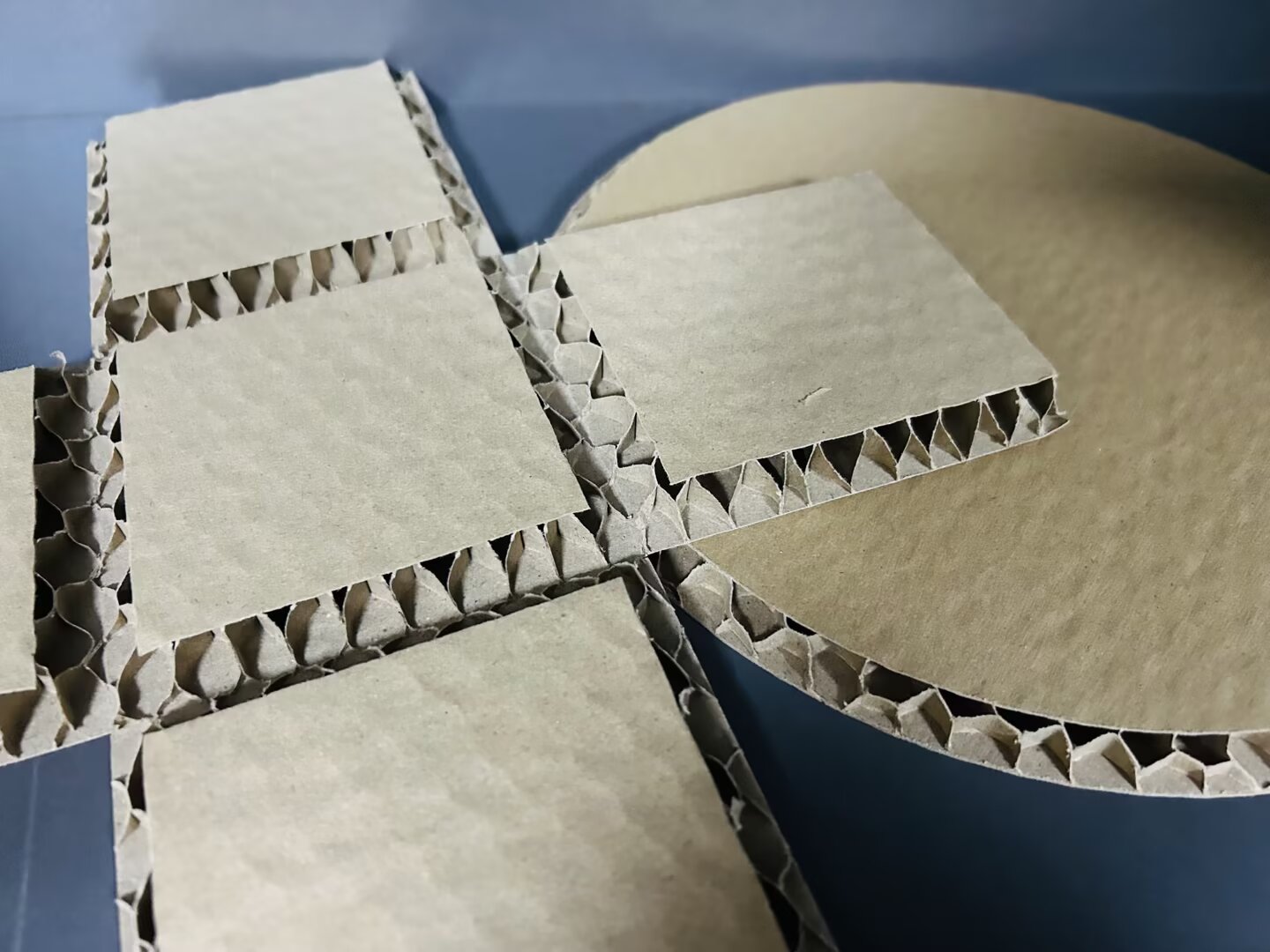
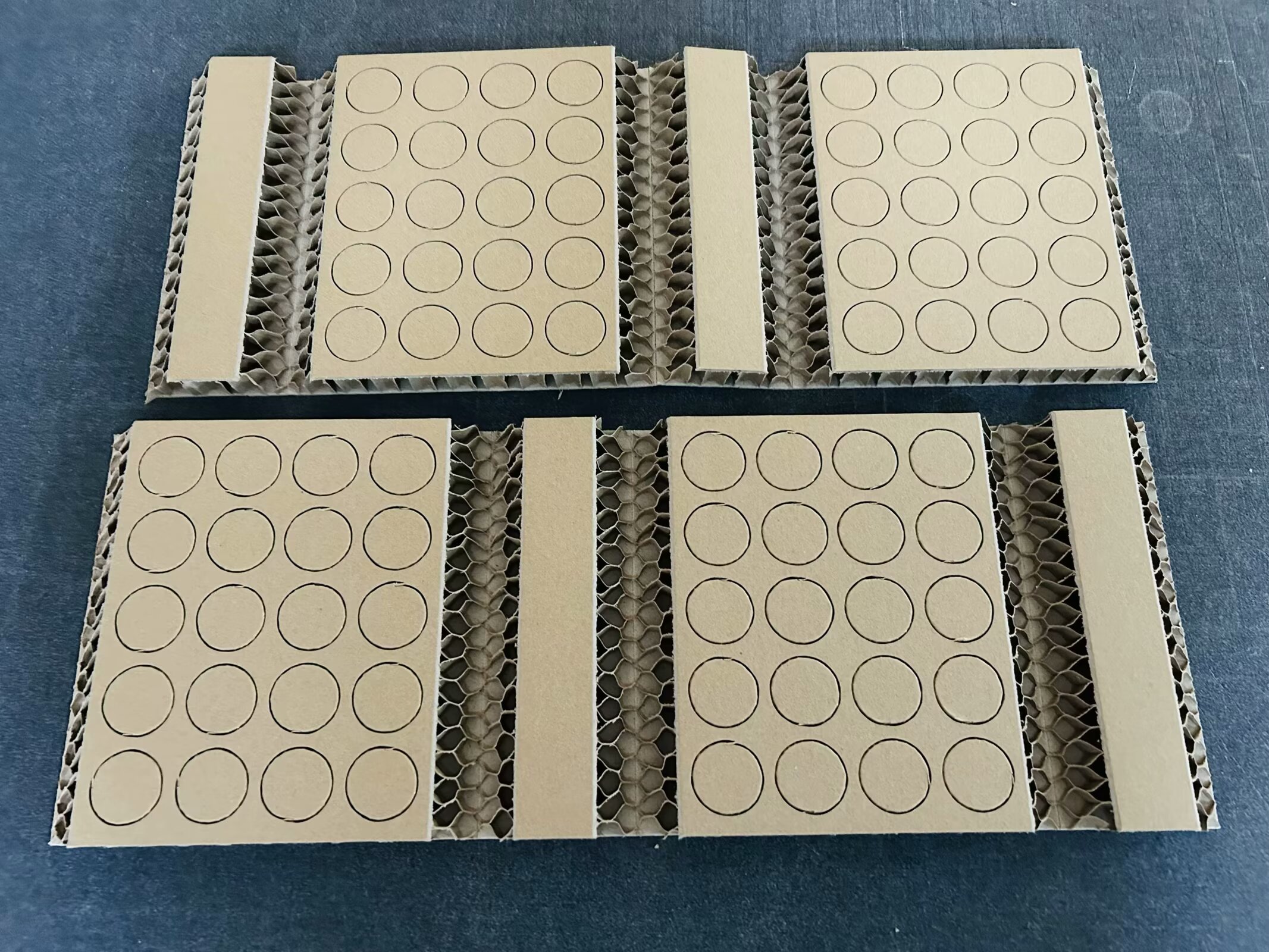
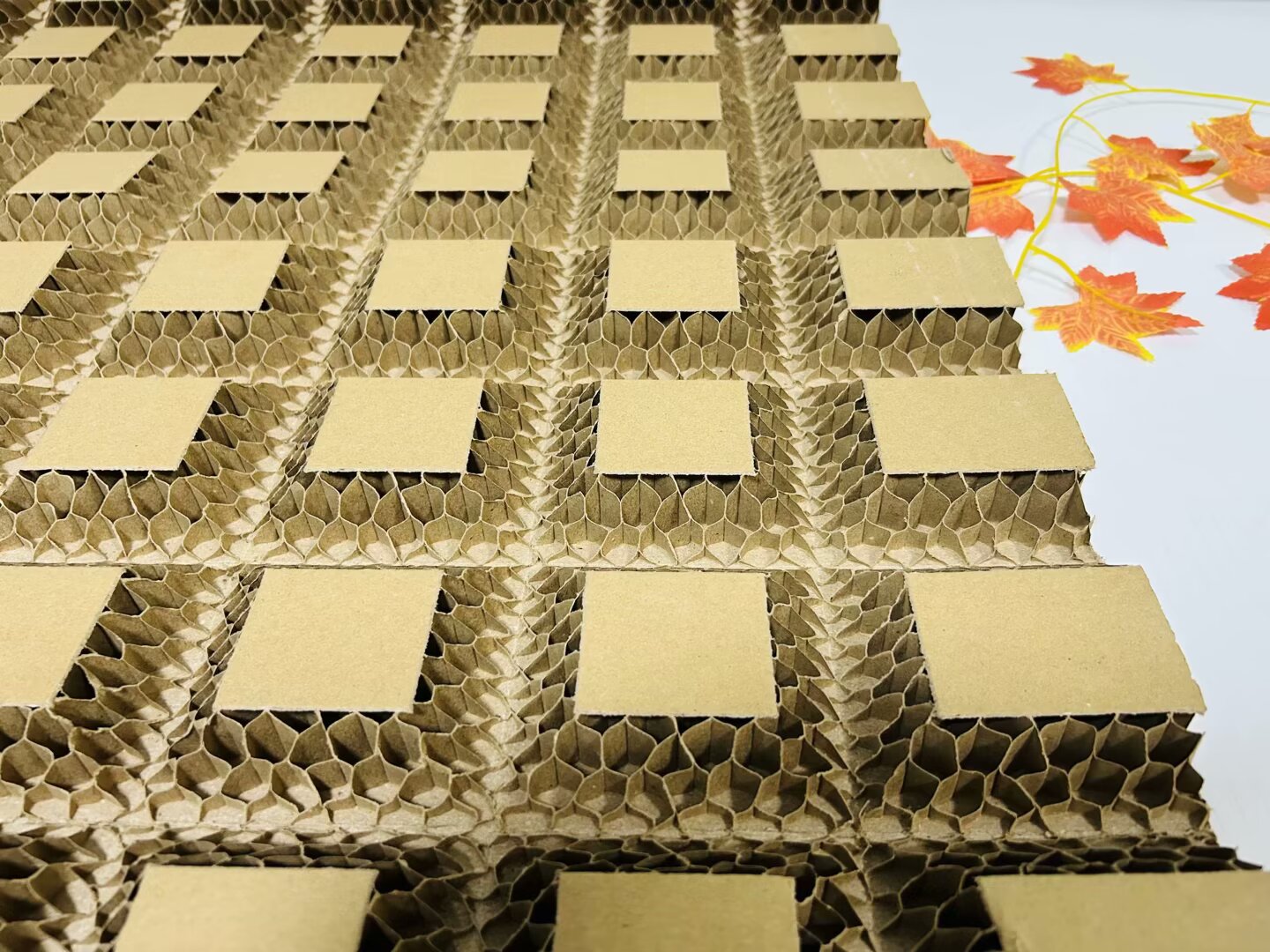
Primary: oscillating knife cutting. Through-cuts, V-grooves, and creasing on 0–60mm honeycomb cardboard. This is its core job. The oscillating knife is fast, produces clean edges, and generates no dust. A single machine supports both prototyping and small-batch production.
Secondary: spindle-assisted milling. When a customer needs occasional local milling — grooves, counterbores, or pockets on honeycomb surfaces — the spindle cooperates to complete the task. But note: this is not a replacement for a dedicated router. If you need high-volume milling, a dedicated CNC router (or a 1-to-4 / 1-to-8 production line) is the right choice.
ZCRC's value: for customers who "occasionally need to mill a bit," it provides an integrated solution that avoids the additional investment of a separate router. For customers who "mill every day," it is not the optimal solution.
We will not say ZCRC replaces a router. We will say: if your main business is cutting and your side business is milling, ZCRC is designed for you. If the reverse is true, you should look at a dedicated router.
How to Tell If You Are Buying a Cutter or a Router
Next time a supplier tells you "we have a 300mm digital cutting machine," ask them three questions:
Question 1: What tool is used at 300mm depth?
If the answer is "spindle milling bit" — it is a CNC router.
Question 2: Can you cut a piece of honeycomb cardboard on-site, with no dust?
If the cut produces dust — it is a CNC router.
Question 3: Do you have an oscillating knife option? At that height?
If not — it is a CNC router.
These three questions will save you from buying the wrong machine.
Back to the Polish Customer
We do not know what happened with him afterward. But we hope he sees this article. Not because we want to sell him a machine, but because: when someone is looking for an answer, they deserve to hear the truth.
The truth is: a 300mm oscillating knife cutting machine does not exist. If someone is selling you one, they are selling you something else.
We are ZCCUTTER. Our machines work at 100–150mm for EPE, sponge, and other foamed materials. The standard cutting thickness for honeycomb cardboard is 0–60mm. We will not pretend to do what we cannot do.
But if you need to cut honeycomb cardboard — 0–60mm through-cuts and V-grooves — we can do it cleanly, sharply, and dust-free.
And we are willing to cut a sample for you first.
Free sample cutting: Send us your material. Tell us what you normally cut. We cut it and ship the sample back — free of charge, no commitment. Contact: 1290718407@qq.com | +86-139-2922-2267