One-Sentence Summary
ZCCUTTER ZCRB digital cutter produced 458 precision parts from 10mm corrugated cardboard in 20 hours, enabling paper artist Li Pengfei to build a 1:1 scale Jeep Wrangler that adults can drive — a project commissioned by Jeep China and impossible with traditional die-cutting.
I. The Brief: Build a Drivable Jeep from Cardboard
In 2023, Jeep China launched a marketing campaign with an unconventional challenge: create a full-scale Wrangler from corrugated cardboard that could be displayed in their Shanghai experience store and, crucially, be driven by adults.
The project was awarded to Li Pengfei (李鹏飞), a renowned paper artist known as "Saint Paper Way" (@圣纸道 on Douyin), who had previously created large-scale cardboard sculptures. But this brief was different — it required structural integrity, dimensional precision, and load-bearing capacity that traditional cardboard crafts had never achieved.
| Project Parameter | Specification |
|---|---|
| Client | Jeep China Official |
| Artist | Li Pengfei (李鹏飞, @圣纸道) |
| Scale | 1:1 Full Size |
| Material | 10mm Corrugated Cardboard |
| Part Count | 458 Precision-Cut Components |
| Cutting Time | 20 Hours |
| Cutting Technology | ZCCUTTER ZCRB Oscillating Knife Digital Cutter |
| Die Cost | ¥0 (Zero-Die Process) |
| Final Function | Drivable by Adults |
| Display Location | Jeep Shanghai Experience Store |
II. Why Traditional Die-Cutting Would Have Failed
A project of this scale typically requires steel-rule dies — but that approach would have made the Jeep Wrangler project impossible for three reasons:
1. Cost Prohibition
458 unique parts × ¥3,000-8,000 per die = ¥1.37M-3.64M in tooling alone. For a one-off marketing installation, this budget was unacceptable.
2. Lead Time
Steel-rule die production takes 4-6 weeks per batch. With 458 parts requiring multiple iterations, the project timeline would have extended to 6-12 months — far beyond Jeep's campaign launch date.
3. Design Flexibility
Cardboard structural engineering requires rapid prototyping. Each joint, each fold, each load-bearing point needed testing and adjustment. With fixed dies, design changes would have required new tooling for every iteration.
III. The ZCCUTTER Solution: Zero-Die Digital Cutting
ZCCUTTER ZCRB digital cutting system solved all three problems simultaneously:
| Challenge | Traditional Die-Cutting | ZCCUTTER Zero-Die Solution |
|---|---|---|
| Tooling Cost | ¥1.37M-3.64M | ¥0 (digital files only) |
| Lead Time | 6-12 months | 20 hours cutting + 2 days assembly |
| Design Changes | New die required (4-6 weeks) | Modify CAD file, cut immediately |
| Precision | ±0.5mm (die wear over time) | ±0.05mm (consistent throughout) |
| Part Complexity | Limited by die physics | Unlimited (CNC path control) |
Technical Specifications
| Parameter | Value |
|---|---|
| Machine Model | ZCCUTTER ZCRB |
| Cutting Method | High-Frequency Oscillating Knife (Cold Cutting) |
| Material Thickness | 10mm Corrugated Cardboard |
| Cutting Speed | 800-1200 mm/s |
| Precision | ±0.05mm |
| Repeat Positioning | ±0.03mm |
| Blade Type | Standard Oscillating Knife |
| Blade Life | 500+ meters of 10mm cardboard |
| Vacuum Suction | High-density adsorption table |
| Temperature | Room temperature (no heat damage) |
IV. The Production Process: From CAD to Drivable Vehicle
Phase 1: Structural Design (3 Days)
Li Pengfei's team created detailed CAD models for all 458 components. Each part was engineered for:
- Load-bearing capacity: Critical structural joints reinforced with multi-layer lamination
- Interlocking precision: Tab-and-slot joints with 0.1mm tolerance for friction-fit assembly
- Weight optimization: Internal honeycomb structures for strength-to-weight ratio
Phase 2: Digital Cutting (20 Hours)
The ZCRB machine ran continuously for 20 hours, cutting all 458 parts from 10mm corrugated cardboard. Key advantages during production:
- No die changes: All parts cut from digital files, zero setup time between components
- Consistent precision: Part #1 and Part #458 maintained identical ±0.05mm tolerance
- Zero thermal damage: Cold cutting process preserved cardboard structural integrity
- Material efficiency: Nesting algorithms minimized waste to <8%
Video: The complete production process — from ZCCUTTER cutting 458 precision parts to the final drivable Jeep Wrangler. Full documentary by ZCCUTTER.
Phase 3: Assembly (2 Days)
The 458 parts were assembled using traditional cardboard crafting techniques — no adhesives required for structural joints, only friction-fit interlocking. Final assembly included:
- Chassis frame with reinforced load-bearing points
- Body panels with authentic Wrangler styling details
- Functional doors, hood, and tailgate
- Interior seating for 2 adults
- Steering wheel and dashboard details
V. The Result: A Drivable Cardboard Jeep
The finished Jeep Wrangler was displayed at the Jeep Shanghai Experience Store, where visitors could:
- Sit inside the full-scale vehicle
- Open and close doors, hood, and tailgate
- Experience the structural integrity of precision-cut cardboard
- Witness the capabilities of digital cutting technology
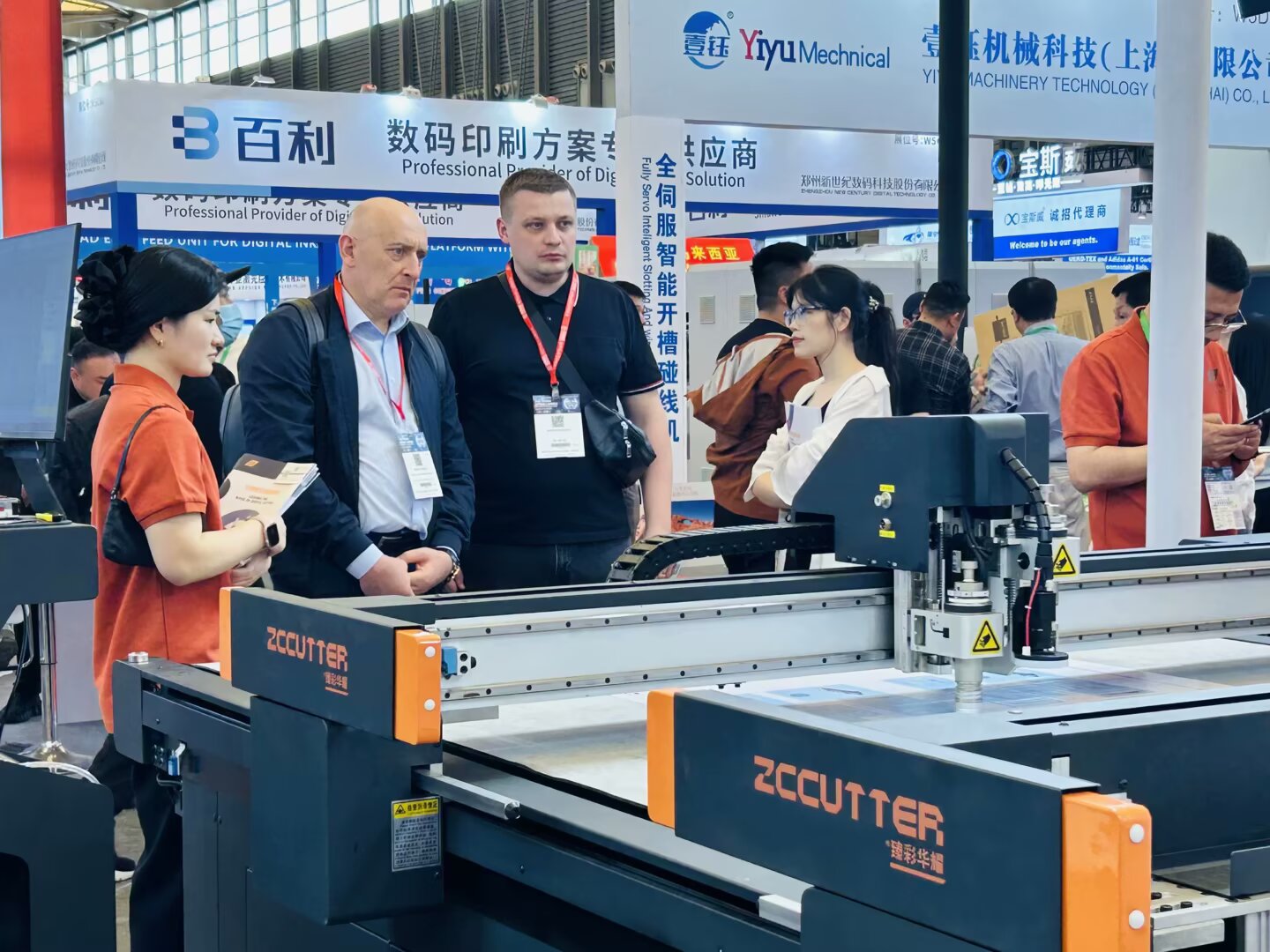
Figure 1: ZCCUTTER ZCRB cutting precision components for the Jeep Wrangler project. Each of the 458 parts was cut with ±0.05mm accuracy.
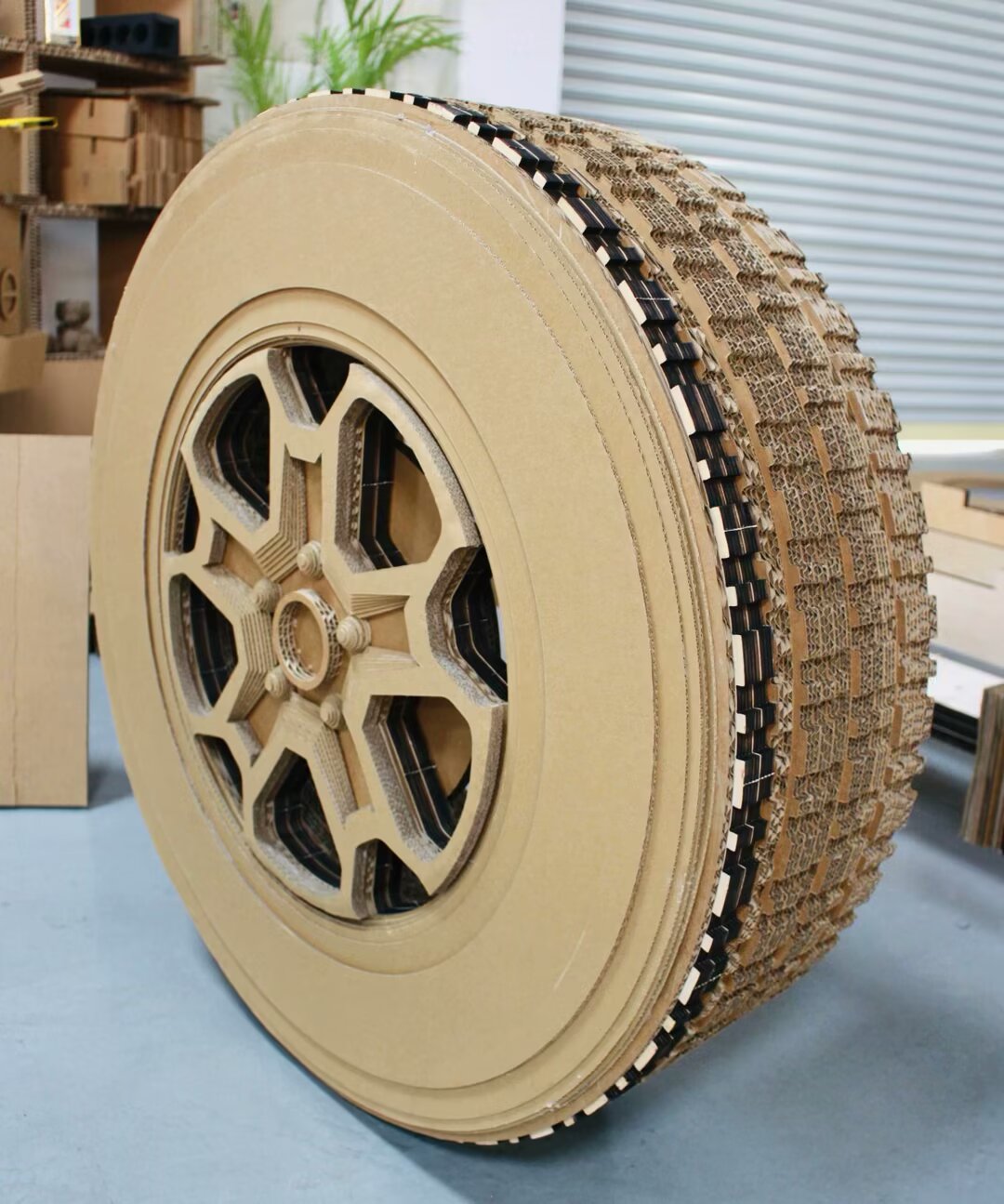
Figure 2: Assembly process showing the interlocking joint system. No adhesives required for structural connections.
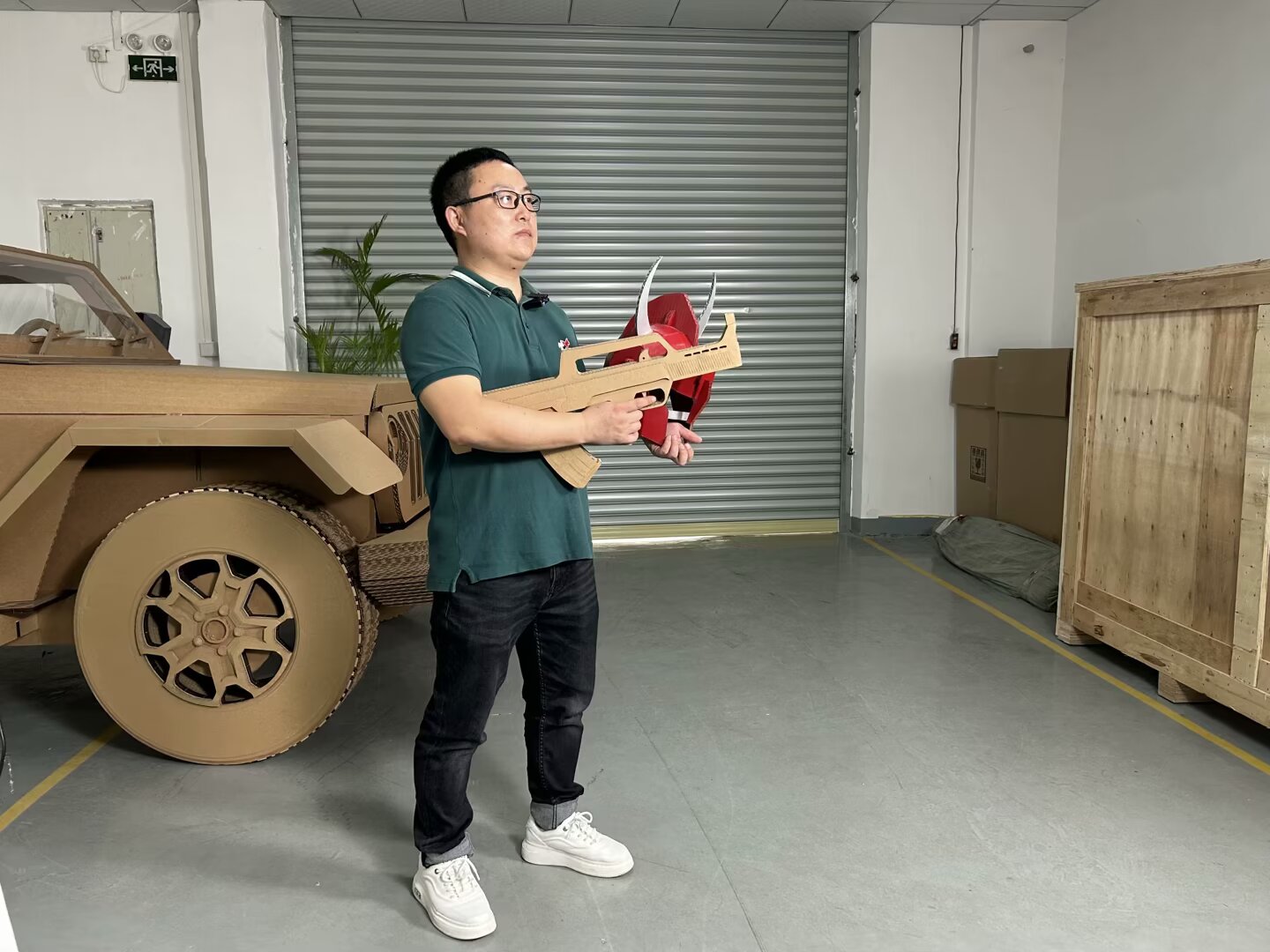
Figure 3: Structural detail showing multi-layer lamination for load-bearing points.
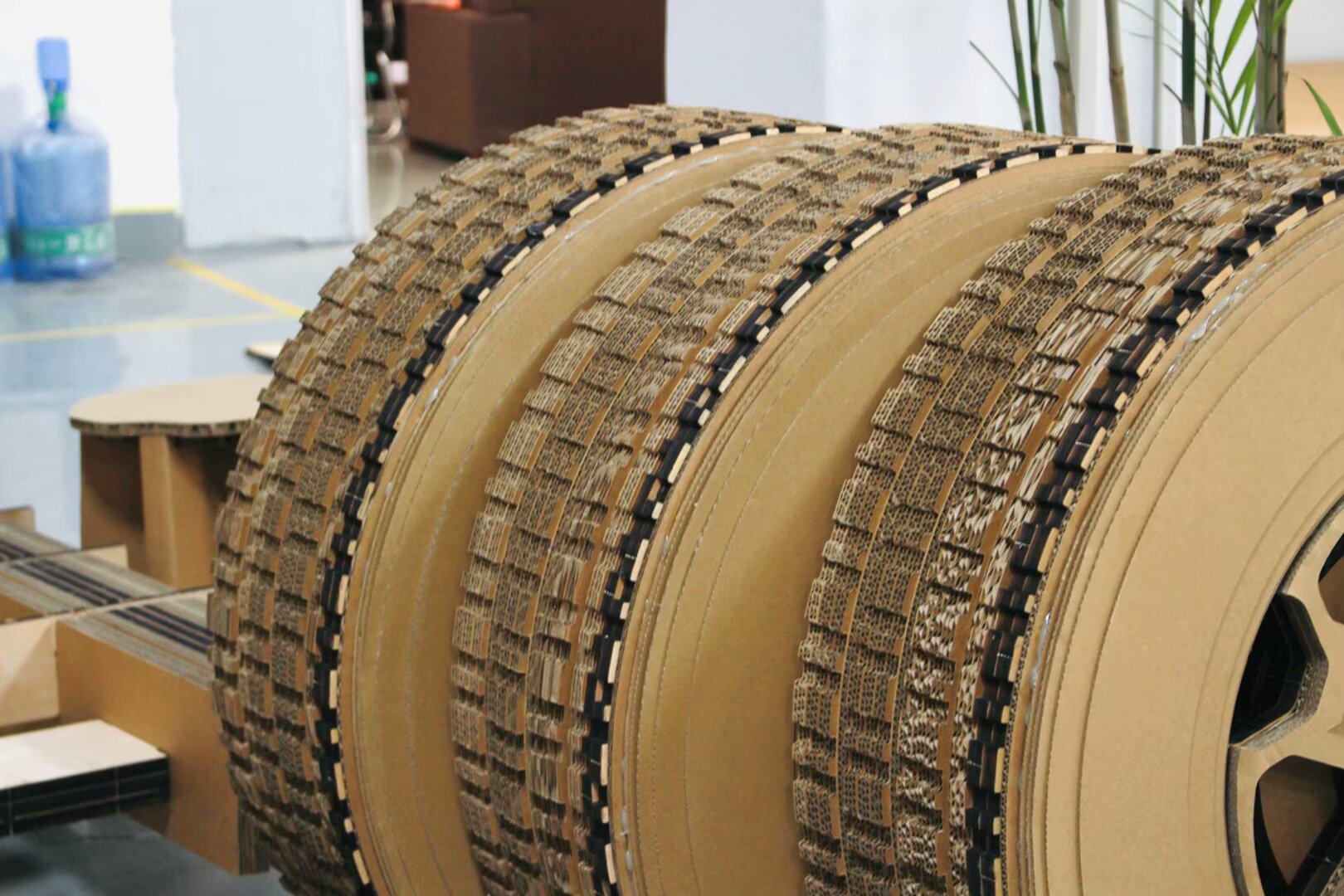
Figure 4: Final assembly stage — the cardboard Jeep Wrangler takes shape.
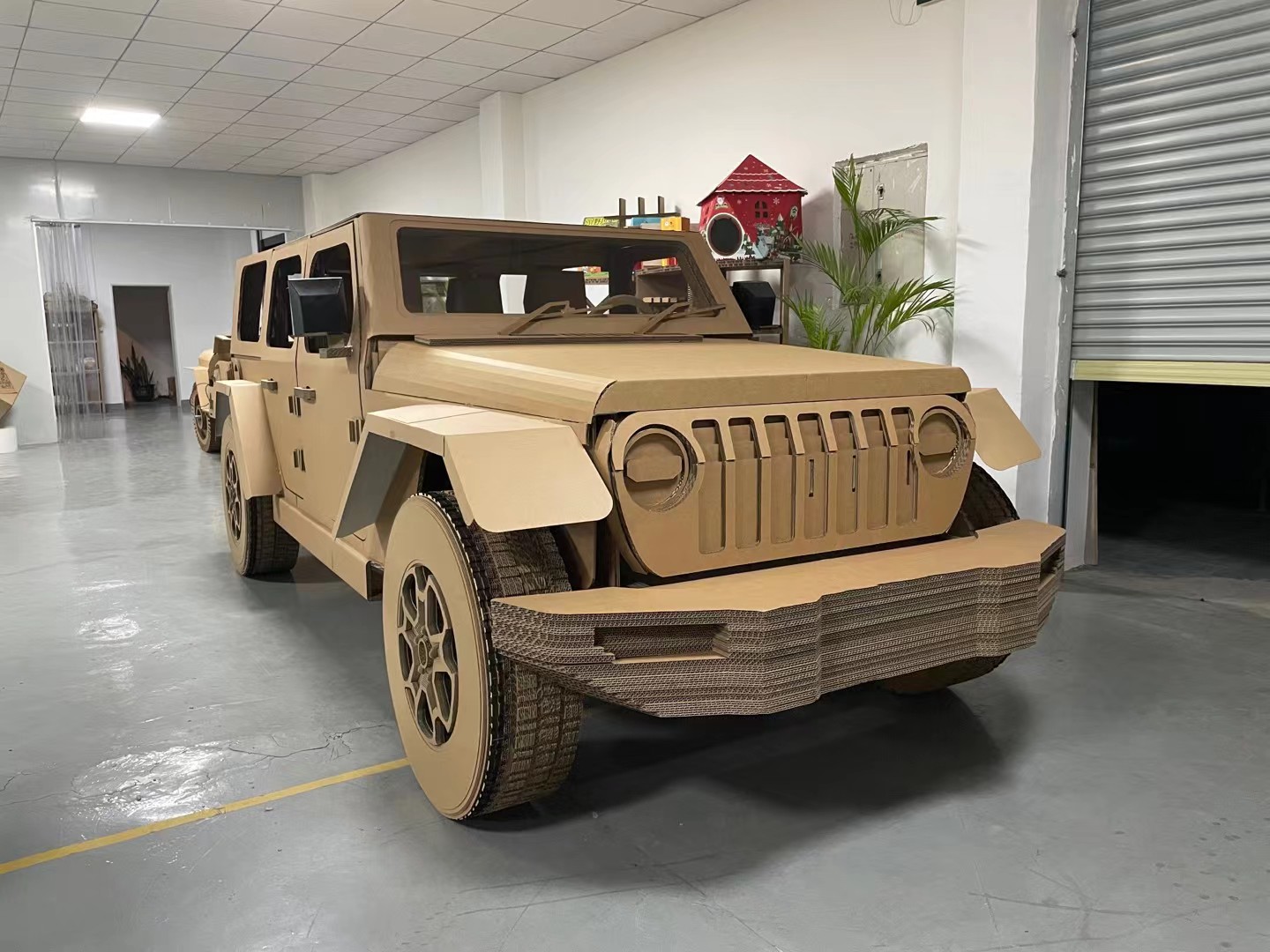
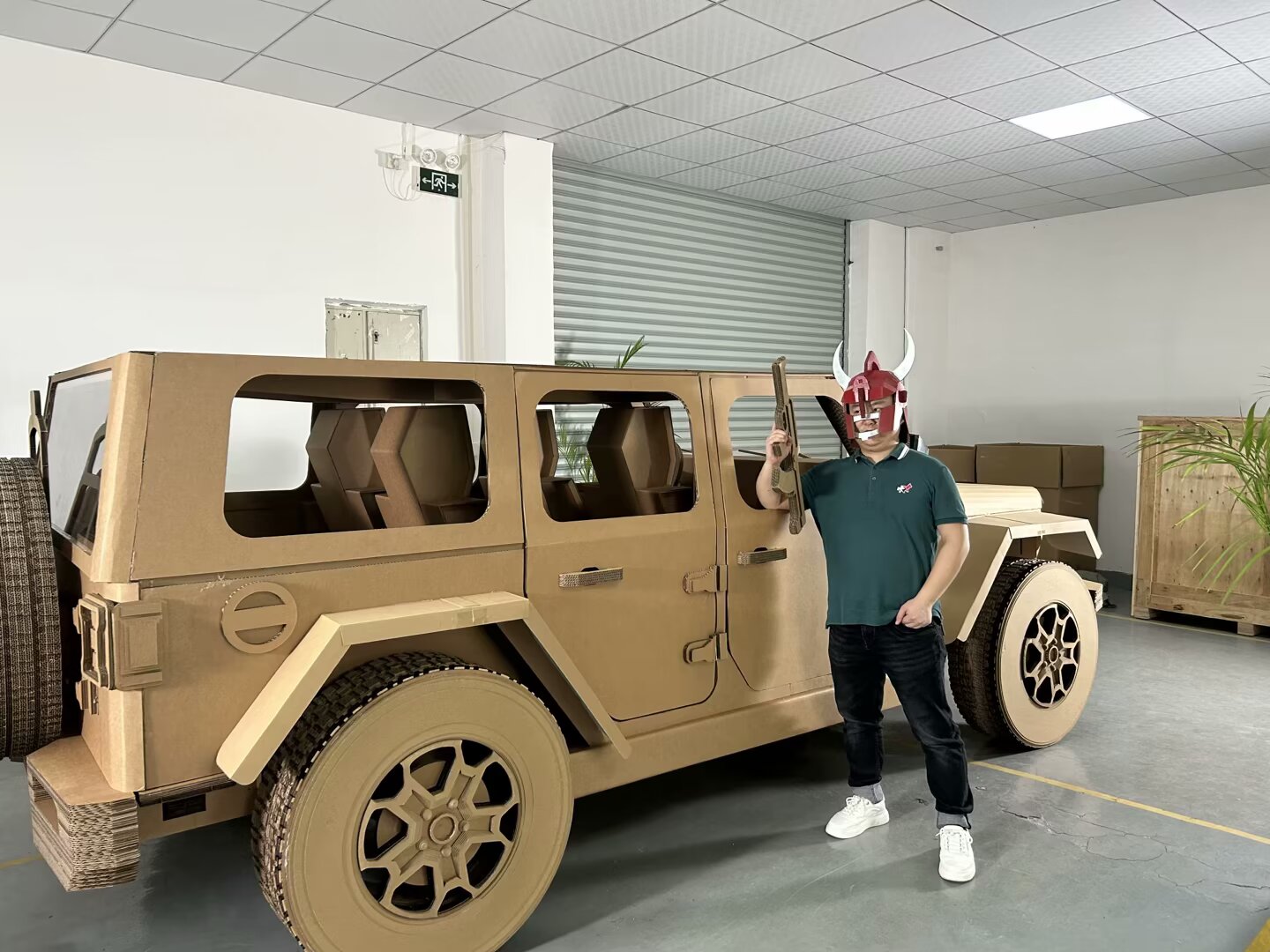
Figure 5: The completed Jeep Wrangler displayed at Shanghai Experience Store.
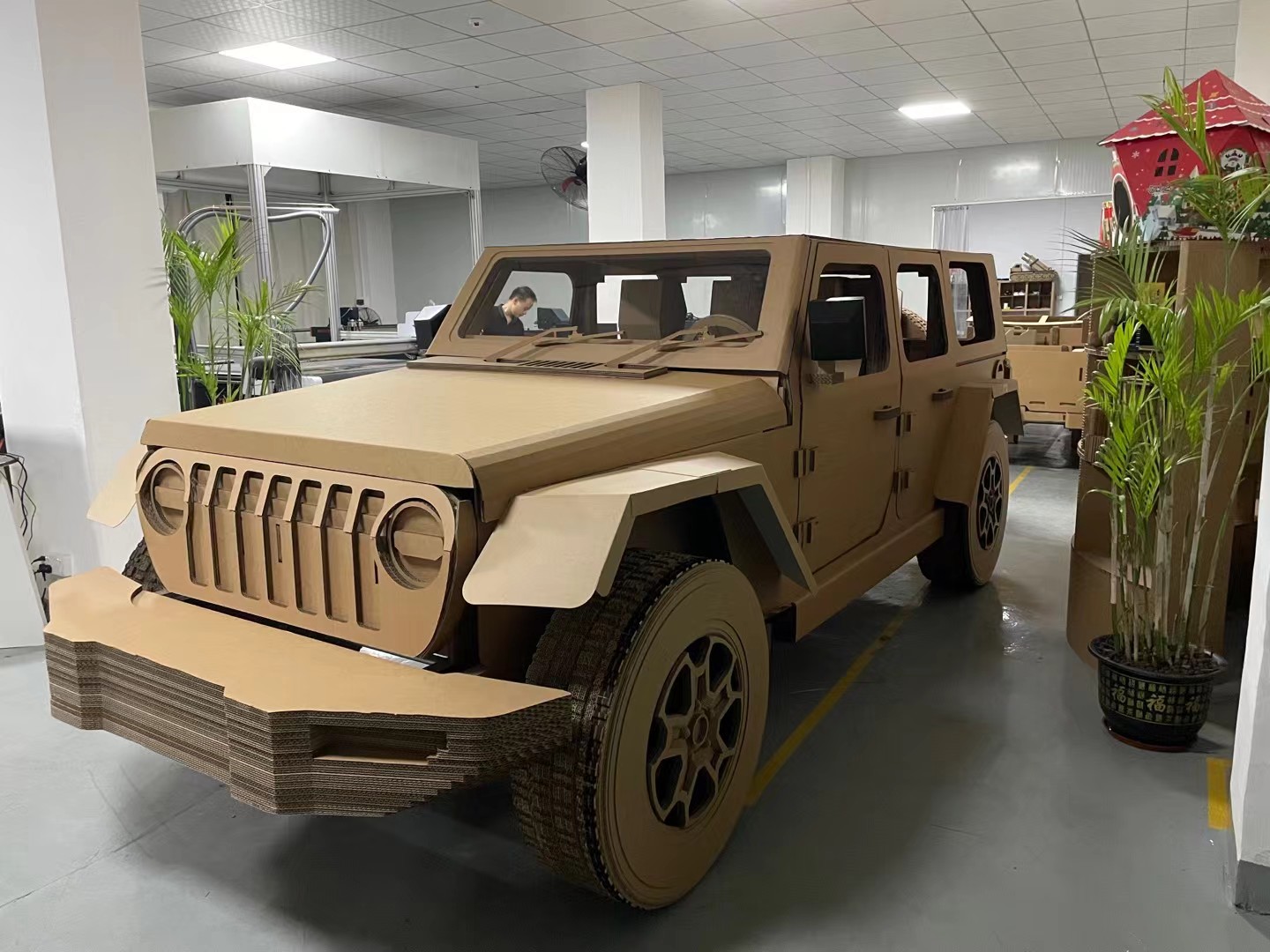
Figure 6: Interior detail showing seating and dashboard — fully functional and drivable.
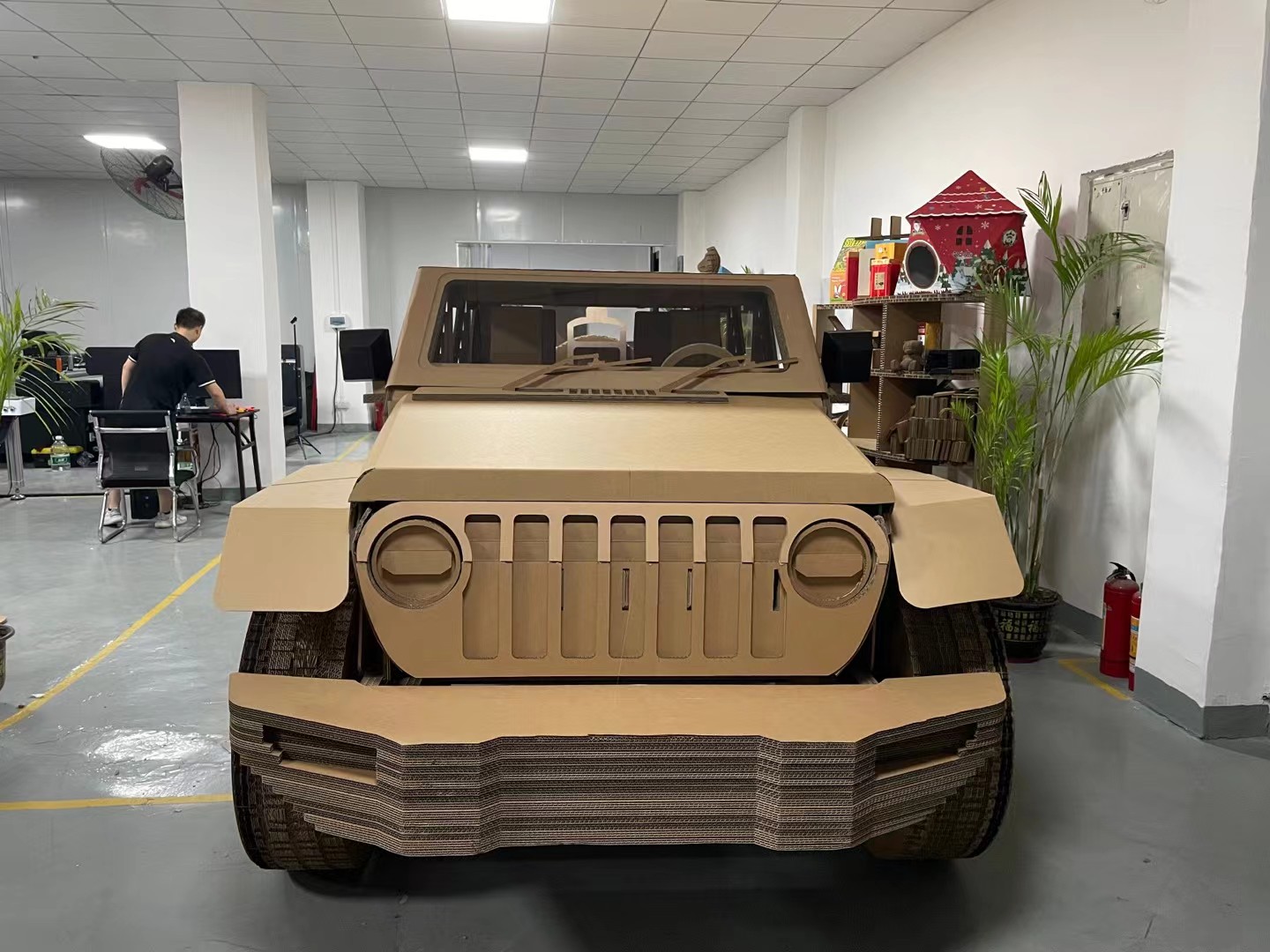
Figure 7: Functional door mechanism — opens and closes like a real vehicle.
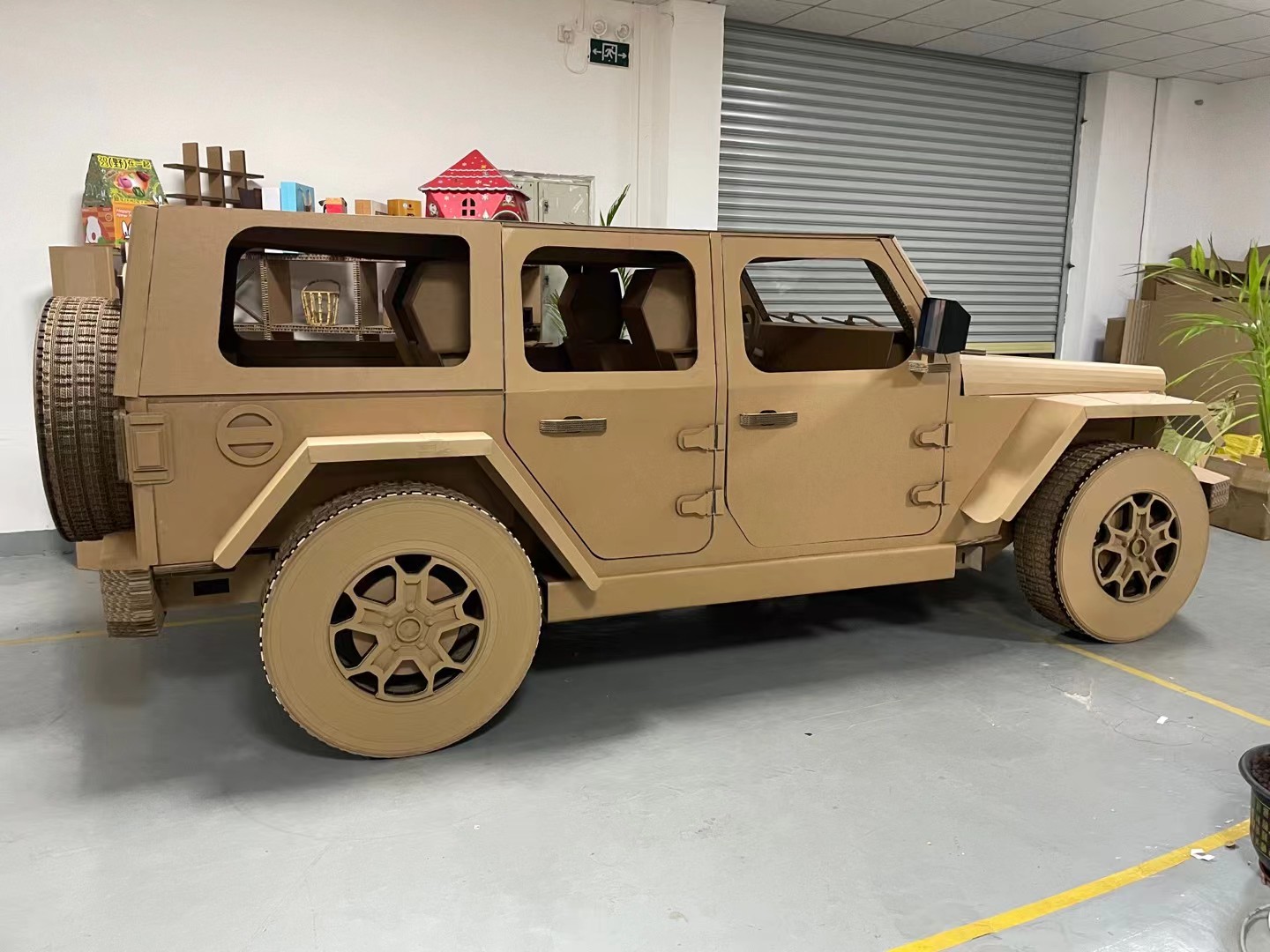
Figure 8: Rear view showing tailgate and spare tire detail.
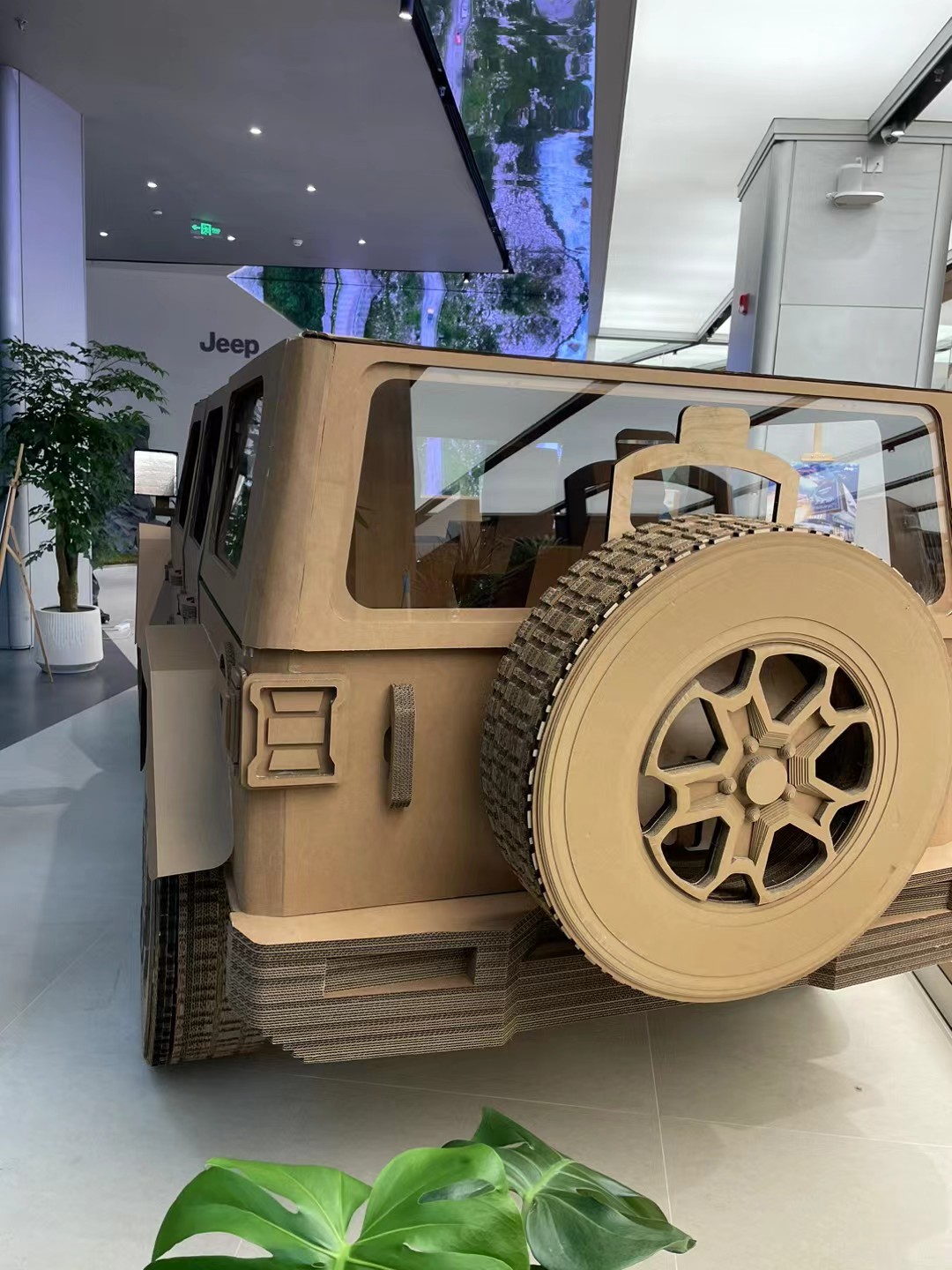
Figure 9: Public exhibition at Shanghai Jeep Experience Store.
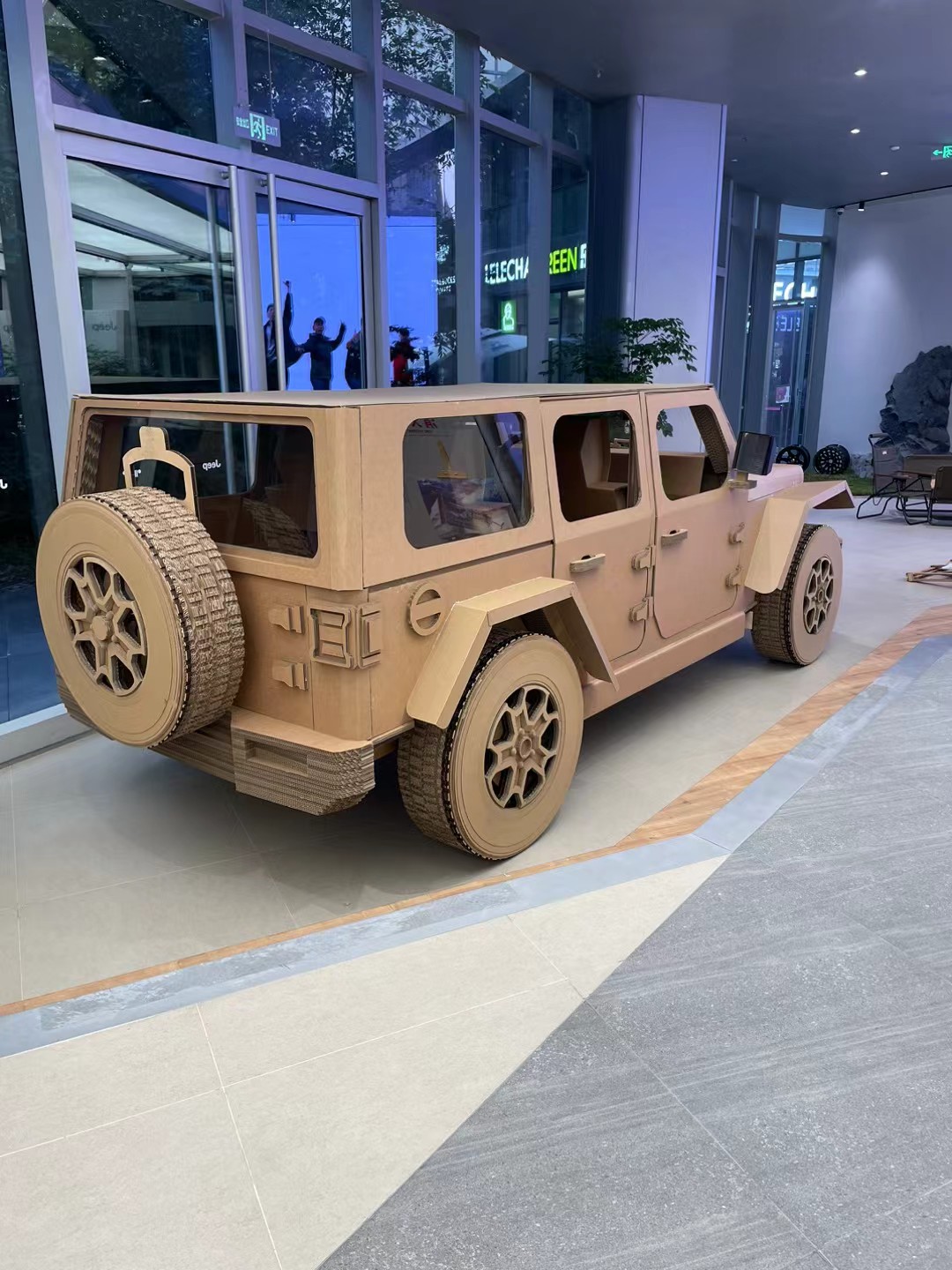
Figure 10: Visitors interacting with the cardboard Jeep — sitting inside and experiencing the structure.
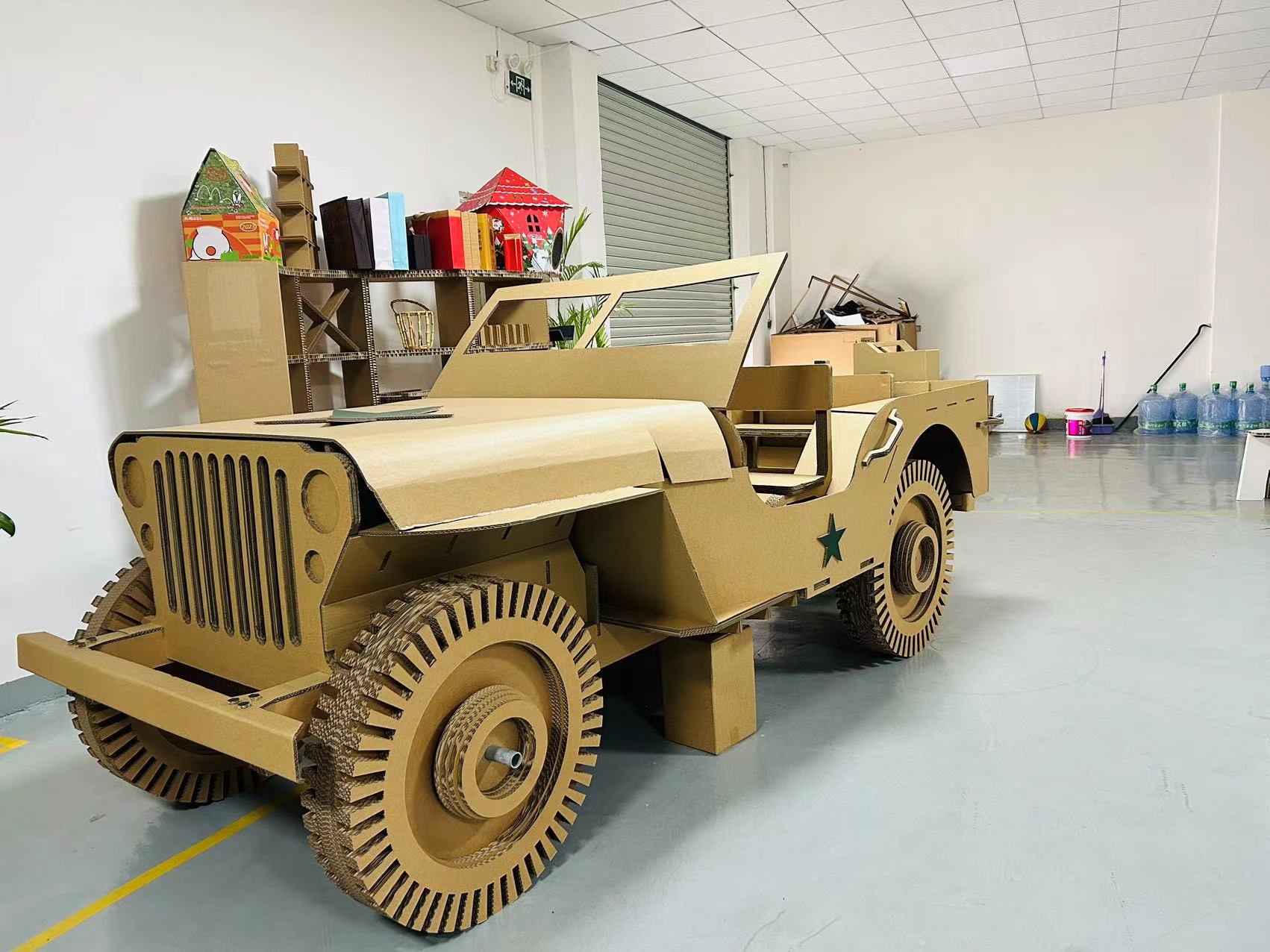
Figure 11: Full-scale display showing the complete vehicle.
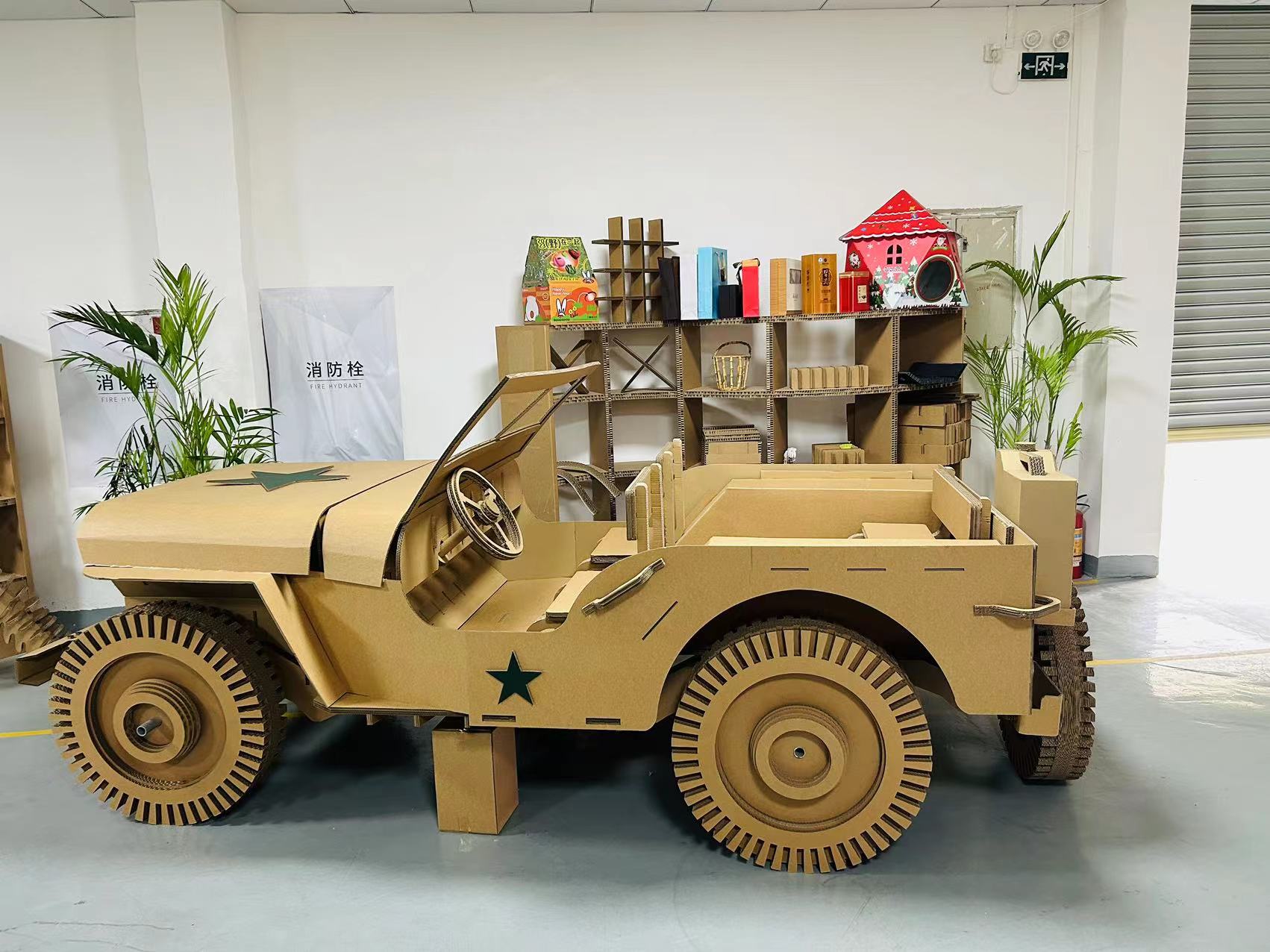
Figure 12: Side profile showing authentic Wrangler proportions.
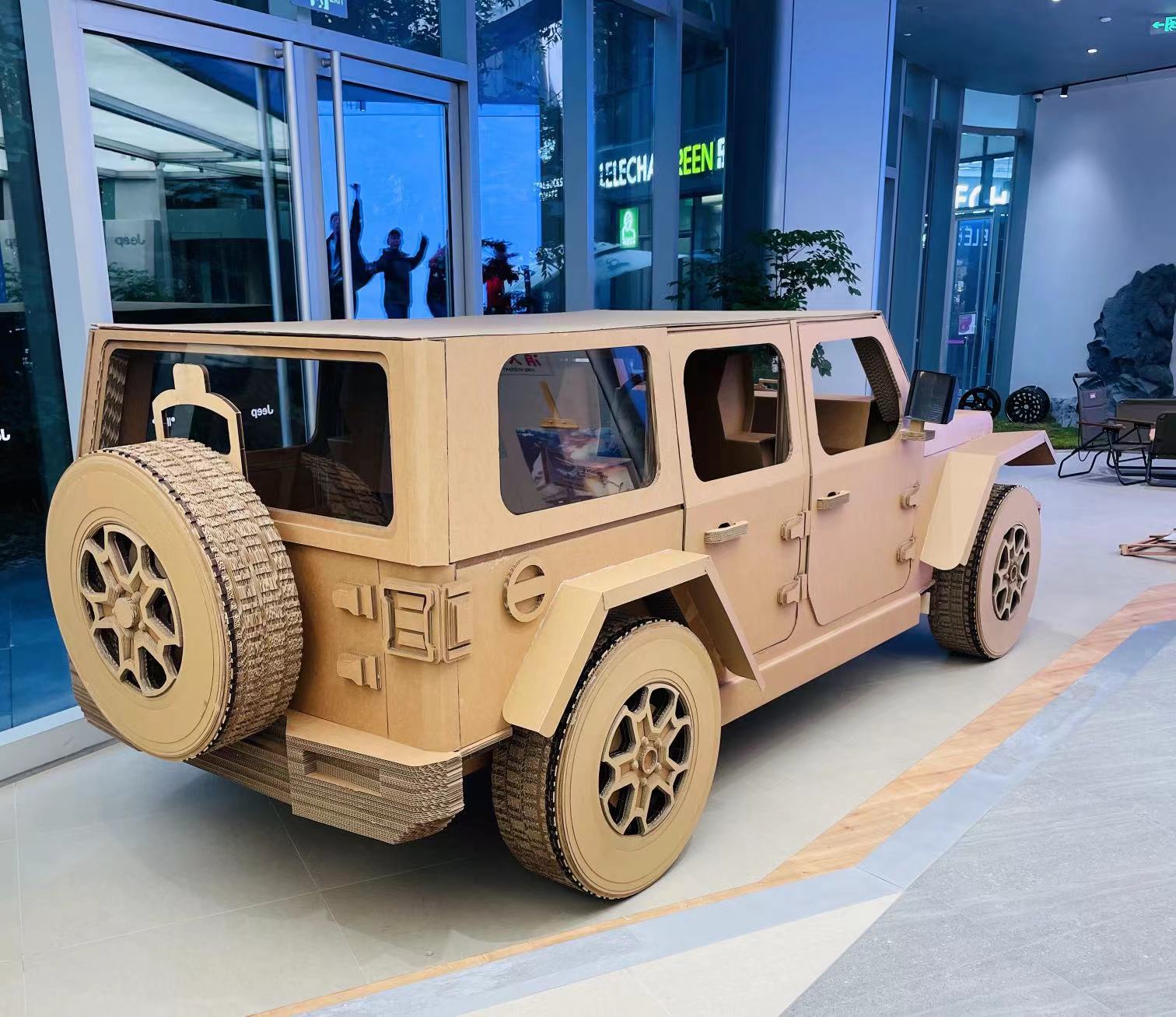
Figure 13: Installation at Shanghai Jeep Experience Store.
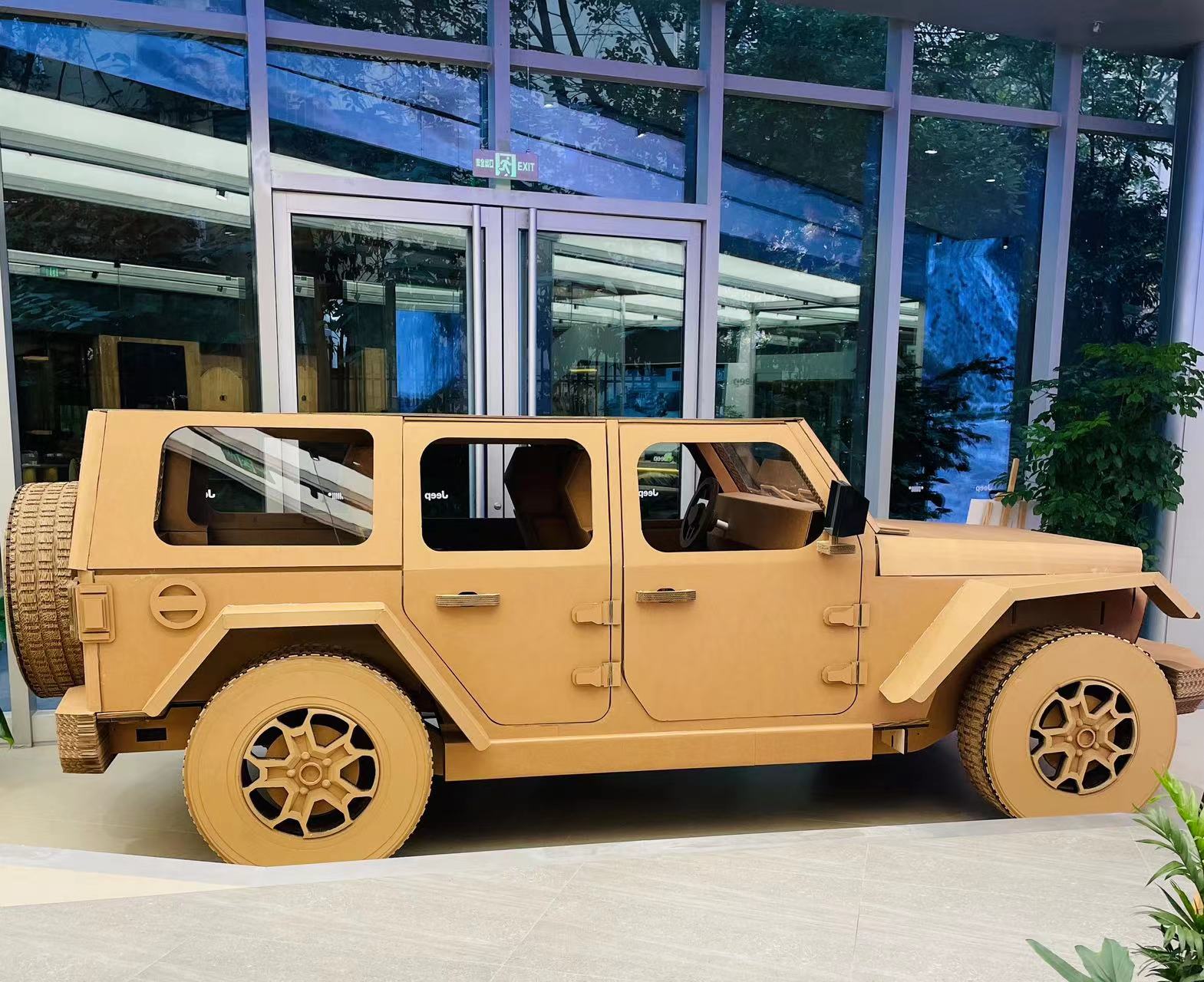
Figure 14: Final showcase — a drivable Jeep Wrangler made entirely from corrugated cardboard.
VI. What This Project Proves
For Packaging Engineers
If ZCCUTTER can cut 458 precision parts for a drivable vehicle, it can handle your most complex packaging prototypes — with zero tooling cost and same-day turnaround.
For Brand Marketers
Large-scale installations don't require months of lead time or massive tooling budgets. Digital cutting enables rapid prototyping and production for experiential marketing.
For Paper Artists
Structural integrity at this scale requires precision that only CNC-controlled oscillating knife cutting can provide. Hand-cutting or die-cutting cannot achieve the 0.05mm tolerance needed for friction-fit assembly.
VII. Technical FAQ
Q1: How long does the ZCRB blade last when cutting 10mm corrugated cardboard?
A: Standard oscillating knife blade life is 500+ meters of 10mm corrugated cardboard. For the Jeep project (458 parts, approximately 200 meters total cutting length), a single blade completed the entire project with no replacement needed.
Q2: What is the load-bearing capacity of the cardboard Jeep?
A: The completed vehicle supports 2 adults (combined weight approximately 150-180kg). Load-bearing capacity depends on cardboard grade, layer count, and joint design. Critical structural points use multi-layer lamination (3-5 layers) for reinforcement.
Q3: Where is the cardboard Jeep now?
A: The vehicle was displayed at the Jeep Shanghai Experience Store as part of Jeep China's marketing campaign. For more details, follow paper artist Li Pengfei on Douyin: @圣纸道 (Saint Paper Way).
Q4: Can ZCCUTTER cut other materials besides corrugated cardboard?
A: Yes. ZCCUTTER systems cut 1500+ materials including honeycomb board, EPE/EVA foam, acrylic, PVC, leather, fabric, thermal silicone pads, optical films, and composite materials. Material thickness range: 0.1mm to 60mm depending on material type.
Q5: What is the precision difference between ZCCUTTER and traditional die-cutting?
A: ZCCUTTER maintains ±0.05mm precision consistently throughout production. Traditional die-cutting starts at ±0.2mm and degrades to ±0.5mm+ as the die wears. For projects requiring 458 interlocking parts, this precision difference is the difference between assembly success and failure.
VIII. Project Credits
| Role | Credit |
|---|---|
| Client | Jeep China |
| Paper Artist | Li Pengfei (李鹏飞) |
| Artist Douyin | @圣纸道 |
| Cutting Equipment | ZCCUTTER ZCRB Digital Cutter |
| Manufacturing Partner | ZCCUTTER ZhenCai Technology (臻彩科技) |
| Project Year | 2023 |
| Display Location | Jeep Shanghai Experience Store |
IX. About ZCCUTTER
ZCCUTTER (臻彩科技) is a Chinese manufacturer of digital cold cutting systems, specializing in oscillating knife technology for flexible materials. With 18 years of experience and 6,000+ global installations, ZCCUTTER serves packaging, die-cutting, advertising, textile, and new energy industries.
Core Technology: High-frequency oscillating knife cold cutting — zero thermal damage, zero tooling cost, ±0.05mm precision.
Product Range: ZCRA (precision sampler), ZCRB (production cutter), ZCRC (dual-head high-speed), ZCRD (ultra-wide format).
Material Capability: 1500+ materials, 0.1-60mm thickness, including corrugated cardboard, honeycomb board, foam, leather, fabric, films, and composites.
Global Presence: 6,000+ installations across 40+ countries, with service centers in China, Southeast Asia, and Europe.
X. Contact ZCCUTTER
For packaging prototyping, short-run production, or large-scale installation projects:
- Website: zccutter.com
- Email: sales@zccutter.com
- Phone: +86-769-2228-0290
- Location: Dongguan, Guangdong, China
This case study demonstrates the capabilities of ZCCUTTER digital cutting technology. Results may vary based on material specifications, design complexity, and production requirements.